
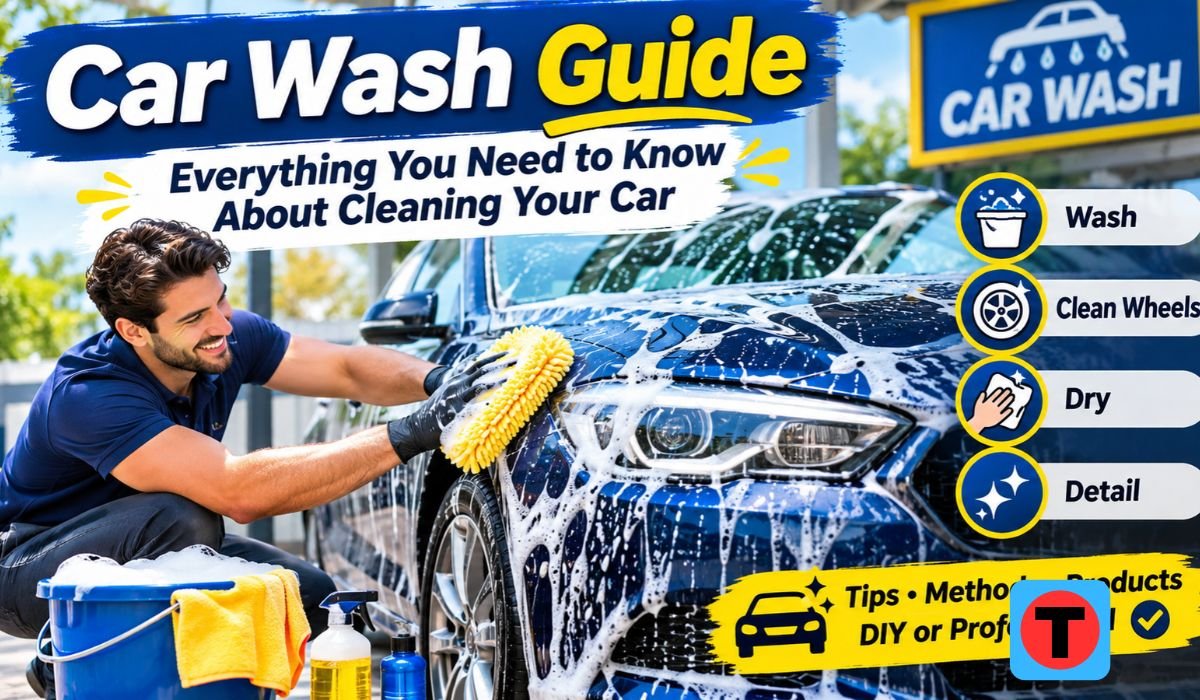
A clean car doesn’t just look better. It feels better to drive, reflects good maintenance habits, and can help protect your vehicle from everyday dirt and harmful contaminants. Whether you’re driving through dusty streets, muddy roads, or busy cities, regular Car Wash care plays an important role in keeping your vehicle in good condition.
However, washing a car involves more than spraying water and applying soap. Choosing the wrong cleaning products, using dirty towels, or washing incorrectly can leave scratches, water spots, and damaged finishes.
Today, drivers can choose between hand washing, automatic car washes, touchless systems, and professional detailing services. Each method offers different benefits depending on your budget, vehicle condition, and available time.
This complete Car Wash Guide explains everything you need to know about cleaning your car safely, choosing suitable products, understanding costs, and maintaining a beautiful finish throughout 2026.
What Is a Car Wash and How Does It Work?
A Car Wash is a cleaning service or process designed to remove dirt, dust, mud, road grime, and other contaminants from a vehicle. Some services focus entirely on the exterior, while others include vacuuming, window cleaning, and interior care.
Most car washing methods follow a similar process. First, water loosens surface dirt. Next, automotive cleaning products help break down stubborn grime. The vehicle is then rinsed and dried to reduce water spots.
Professional facilities may use automated brushes, high-pressure water jets, conveyor belts, and specialized drying equipment.
Unlike a basic Car Wash, Car Detailing involves more intensive cleaning and appearance care. Detailing may include paint decontamination, polishing, upholstery treatment, and protective coatings.
Understanding this difference helps drivers choose services that match their vehicle’s actual needs.
Quick Car Wash Information
Main Purpose
Remove Dirt and Contaminants
Common Methods
Hand and Automatic
Touchless Washing
No Brush Contact
Self-Service
Customer Operated
Tunnel Washing
Conveyor System
Mobile Washing
On-Site Service
Basic Supplies
Shampoo and Wash Mitt
Best Cleaning Order
Top to Bottom
Wheel Cleaning
Dedicated Tools
Drying Material
Clean Microfiber
Washing Frequency
Depends on Exposure
Paint Safety
Gentle Cleaning
Pressure Washer
Use Safe Distance
Interior Care
Vacuum and Wipe
Wax Purpose
Surface Protection
Waterless Washing
Best for Light Dirt
Environmental Care
Control Wastewater
Wash Memberships
Recurring Payments
History of Car Washing
Car washing has changed significantly since automobiles became widely available. Early vehicle owners cleaned their cars manually using buckets, brushes, and water.
In the early twentieth century, commercial washing facilities began appearing in the United States. Detroit became an important location in the industry’s development, with early automobile cleaning businesses operating there by 1914.
Mechanized systems gradually reduced the physical work involved. By the mid-twentieth century, semi-automatic facilities were using mechanical systems to move vehicles through cleaning stages.
Modern car washes now use computerized controls, advanced cleaning equipment, and electronic payments. Many express facilities also offer monthly memberships, allowing customers to wash their vehicles regularly for a fixed fee.
Different Types of Car Washes
Choosing the right Car Wash depends on how dirty your vehicle is, how much time you have, and how carefully you want the cleaning process controlled.
A Hand Car Wash uses manual cleaning techniques and allows workers to pay attention to difficult areas. When performed with clean equipment and proper methods, it can provide excellent results.
An Automatic Car Wash uses machines to clean vehicles quickly. Touchless systems rely on water pressure and detergents, while soft-touch systems use cloth or foam materials to remove dirt.
A Self-Service Car Wash provides equipment that customers operate themselves. Tunnel washes move vehicles through several cleaning stages using conveyor systems.
Mobile services bring cleaning equipment directly to customers. Waterless products and steam cleaning offer additional options, although their suitability depends on vehicle condition and contamination levels.
How to Wash a Car Properly at Home
Washing your car at home can be straightforward when you follow a careful process. Start by parking in a shaded location where the vehicle’s body panels are cool.
Prepare automotive shampoo, clean microfiber wash mitts, separate wheel-cleaning tools, and drying towels. Rinse the vehicle thoroughly to remove loose dust and grit before touching the paint.
Clean the wheels using suitable products and dedicated brushes. Next, wash the vehicle from the roof downward, working in manageable sections. Rinse your wash mitt frequently to prevent trapped dirt from scratching the finish.
After washing, rinse away all shampoo residue. Dry the car using a clean microfiber drying towel or suitable automotive air blower.
If desired, finish with a compatible wax or paint sealant. This additional protection can make future cleaning easier.
Essential Car Wash Products and Equipment
Good cleaning results depend heavily on the products and equipment you use.
Automotive shampoo is designed to clean vehicle surfaces without unnecessarily stripping compatible protective products. Microfiber wash mitts help lift dirt while reducing harsh contact with the paint.
Clean buckets and grit guards can help manage dirt during washing, although they don’t eliminate scratching risks.
Pressure washers and foam cannons make cleaning more convenient, but excessive pressure can damage vulnerable surfaces. Always follow the vehicle and equipment manufacturers’ recommendations.
Wheel cleaners should match the wheel finish, while glass cleaners should be suitable for automotive windows and tint.
For drying, choose clean, absorbent microfiber towels rather than rough household cloths.
Hand Car Wash vs. Automatic Car Wash
Hand washing and automatic washing both have advantages, but neither method is automatically perfect.
Hand washing offers greater control over cleaning products, pressure, and sensitive areas. It is particularly useful for vehicles requiring careful attention.
Automatic car washes are convenient and generally faster. They are especially attractive to drivers who need regular cleaning without spending much time washing.
However, poorly maintained brushes or dirty cleaning materials may create scratches. Touchless systems avoid brush contact but may not remove heavily bonded grime as effectively.
The best choice depends on the equipment’s condition, cleaning technique, and your vehicle’s finish.
For vehicles with specialized coatings, aftermarket accessories, or delicate finishes, consult the manufacturer’s care recommendations before choosing an automatic wash.
How Much Does a Car Wash Cost?
Car Wash Prices vary considerably depending on location, vehicle size, service type, and cleaning requirements.
Self-service facilities commonly charge according to time or equipment usage. Automatic washes usually offer several packages, ranging from basic exterior cleaning to additional protective treatments.
Hand washing often costs more because it requires greater labor. Full-service packages may include vacuuming, interior wiping, and window cleaning.
Professional detailing is generally more expensive because it involves additional time, specialized products, and more intensive work.
Unlimited wash memberships may offer value to frequent customers, but drivers should compare monthly fees, usage limits, cancellation conditions, and the cost of individual washes.
Rather than relying on a universal price estimate, check current local rates and compare exactly what each package includes.
How Often Should You Wash Your Car?
There isn’t one perfect washing schedule for every vehicle. The right frequency depends on driving habits, weather, storage conditions, and exposure to contaminants.
For many regularly driven vehicles, washing approximately every two weeks is a reasonable starting point, although this is a practical guideline rather than a strict requirement.
Cars exposed to road salt, heavy mud, bird droppings, or industrial pollution may need more frequent attention.
Bird droppings and insect residue should be removed promptly using suitable products because prolonged contact can affect some finishes.
Vehicles stored indoors and driven occasionally may need less frequent washing.
Most importantly, proper technique matters more than following a rigid schedule. Washing carefully when necessary is better than repeatedly using methods that damage the paint.
Benefits of Regular Car Washing
Regular Car Washing helps maintain your vehicle’s appearance and supports long-term exterior care.
Removing dirt and contaminants reduces the time potentially harmful substances remain on painted and exposed surfaces. Cleaning windows, mirrors, headlights, and taillights also supports visibility.
A well-maintained exterior can make a vehicle more appealing to future buyers, although resale value depends on many factors beyond cleanliness.
Washing also gives owners an opportunity to inspect the vehicle for paint chips, damaged trim, corrosion, and other issues that might otherwise go unnoticed.
However, washing cannot repair existing scratches or prevent every form of deterioration. It works best as part of a broader vehicle maintenance routine.
Common Car Washing Mistakes to Avoid
Some of the most common car cleaning mistakes happen because drivers prioritize speed over careful technique.
Using dishwashing detergent instead of automotive shampoo can remove certain protective products and may be unsuitable for regular vehicle care.
Washing under strong sunlight can cause water and cleaning solutions to dry before rinsing, leaving visible spots.
Dirty sponges, brushes, and towels may drag abrasive particles across painted surfaces, creating fine scratches.
Another mistake is scrubbing dry dirt without first rinsing it away. Similarly, directing high-pressure water too close to damaged paint, seals, or trim can cause problems.
Avoid using the same cleaning tools on wheels and painted panels, since wheel-cleaning equipment may collect abrasive brake dust.
How to Clean Your Car’s Interior
Interior cleaning is just as important for comfort as exterior washing is for appearance.
Begin by removing rubbish and loose belongings. Vacuum seats, carpets, floor mats, and hard-to-reach spaces.
Use suitable interior cleaners on dashboards, door panels, and other surfaces. Avoid spraying liquids directly onto electronic controls or displays.
Fabric upholstery may require gentle extraction or spot cleaning, while leather surfaces need products appropriate for their finish.
Clean interior glass using an automotive-safe glass cleaner and a fresh microfiber towel.
Unpleasant odors should be addressed by identifying their source, such as spilled drinks, damp carpets, or accumulated debris.
Regular interior cleaning helps keep the cabin pleasant and prevents dirt from becoming increasingly difficult to remove.
Environmental Impact of Car Washing
Car washing affects water consumption and wastewater quality, making responsible cleaning practices important.
Professional facilities may use water reclamation systems that collect, filter, and reuse part of the wash water.
At-home washing can create environmental concerns when detergents, oils, and road contaminants flow into storm drains.
The United States Environmental Protection Agency provides guidance on preventing polluted runoff from reaching waterways.
Using controlled-flow equipment, reducing unnecessary rinsing, and washing in approved locations can help limit environmental impact.
Waterless products may reduce water use for lightly dirty vehicles, but they are not suitable for every cleaning situation.
The most environmentally responsible method depends on local wastewater rules, facility practices, and actual water consumption.
How to Choose the Best Car Wash Service
A good Car Wash Service should clean effectively while treating your vehicle carefully.
Start by checking whether the facility uses touchless, soft-touch, or manual washing methods. Consider your vehicle’s paint condition, protective coatings, and accessories.
Look for clear service descriptions and transparent pricing. Customer reviews may provide useful information about cleaning quality and equipment maintenance.
For automatic facilities, follow posted instructions carefully. Some vehicles with roof racks, oversized tires, aftermarket spoilers, or other modifications may not be suitable for certain systems.
If your vehicle has paint protection film or a ceramic coating, follow the product manufacturer’s cleaning recommendations.
A reliable service should prioritize appropriate chemicals, well-maintained equipment, and safe handling over unnecessary extras.
Final Thoughts
Keeping your vehicle clean doesn’t need to be complicated or expensive. The key is understanding which Car Wash Method suits your needs and using products that are appropriate for your vehicle.
Whether you prefer washing at home, visiting an automatic facility, or choosing professional detailing, careful cleaning can help maintain your car’s appearance and condition.
Pay attention to contaminants, avoid harsh cleaning techniques, and choose services based on quality rather than convenience alone.
A thoughtful washing routine will do more for your vehicle than simply washing it as often as possible.
FAQs About Car Washing
Is an Automatic Car Wash Safe for My Car?
Modern automatic car washes can be suitable for many vehicles, but safety depends on equipment condition, cleaning methods, and vehicle compatibility. Poorly maintained contact equipment may cause scratches. Always follow facility instructions and your vehicle manufacturer’s recommendations.
Can Frequent Car Washing Damage Paint?
Frequent washing does not automatically damage paint. Problems usually arise from abrasive dirt, unsuitable chemicals, dirty cleaning materials, or improper technique. Using clean equipment and gentle washing methods helps reduce these risks.
Is a Touchless Car Wash Better Than Hand Washing?
Touchless washing avoids direct contact from brushes, which reduces certain scratching risks. However, it may struggle with stubborn grime. Careful hand washing often provides more detailed cleaning, but improper hand washing can also scratch paint.
How Long Does a Car Wash Take?
A basic automatic wash may take only a few minutes once the vehicle enters the equipment. Hand washing generally takes longer, depending on vehicle size and condition. Full-service cleaning and detailing can require substantially more time.
Can I Use Dish Soap to Wash My Car?
Dish soap is not recommended for routine car washing. Some formulas may remove wax or other protective products. Automotive shampoo is generally a better choice because it is formulated for vehicle cleaning.
Should I Wash My Car Before or After Rain?
Washing after rain can help remove dirt and road contaminants left on the vehicle. However, rain itself does not necessarily make a car dirty. If the vehicle already has bird droppings, road salt, or other harmful contamination, cleaning should not be delayed unnecessarily.
Should I Wax My Car After Every Wash?
No. Waxing frequency depends on the product, driving conditions, and existing protection. Some waxes last weeks, while certain sealants last longer. Follow the product manufacturer’s application and maintenance instructions.
What Is the Best Way to Dry a Car Without Scratching It?
Use a clean, soft microfiber drying towel or a suitable automotive air blower. Avoid dragging dirty towels across painted surfaces. Work gently, and ensure the vehicle has been thoroughly rinsed before drying.
Learn more and explore exciting content on: Epic! Reading: A Complete Guide for Parents, Kids, and Teachers













Leave a Reply