
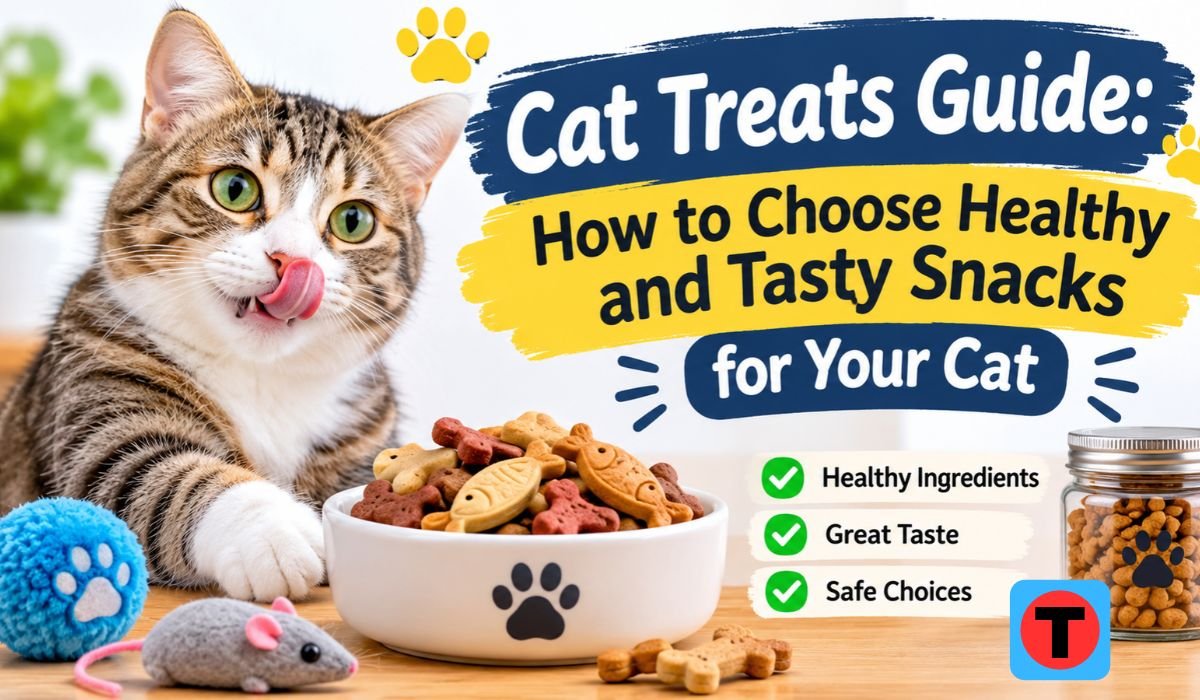
Cats bring joy, companionship, and plenty of personality into our homes. Whether your feline friend enjoys chasing toys, relaxing in a sunny spot, or following you around the house, offering an occasional treat can make everyday moments even more special. Cat treats are more than tasty snacks. When chosen carefully, they can support positive reinforcement, encourage interaction, and make activities such as grooming, training, and medication routines easier.
However, choosing the right treats requires more thought than simply picking a flavour your cat enjoys. Different products contain different ingredients, calories, textures, and nutritional qualities. Some are designed for training, while others provide a crunchy texture, a soft consistency, or a specialised formulation. Understanding these differences can help you make better decisions.
This Cat Treats Guide explains how to choose healthy and tasty snacks, understand ingredient labels, manage portions, and introduce new products safely. Whether you have a playful kitten, an active adult cat, or a senior companion, you will find practical information to help you make treat time enjoyable and responsible.
What Are Cat Treats?
Cat treats are supplementary foods given outside a cat’s regular meals. They are commonly used as rewards, occasional snacks, or additions to interactive activities. Unlike complete and balanced cat food, most treats are not designed to provide every nutrient a cat needs. Their main purpose is to offer enjoyment and encourage positive experiences.
Treats are available in many forms, including crunchy biscuits, dried meat pieces, freeze-dried proteins, creamy purées, and soft snacks. Some products also contain additional ingredients intended to support particular needs, such as digestive health or dental care. Regardless of the type, treats should remain a small part of a cat’s overall diet.
Why Do Cats Enjoy Treats?
Cats often respond enthusiastically to treats because of their appealing smells, flavours, and textures. As natural hunters, they are particularly interested in foods containing animal-based proteins. The smell of chicken, fish, or turkey can attract their attention and encourage them to investigate.
Treats can also create positive associations. For example, giving a small reward after brushing or entering a carrier may help a cat become more comfortable with these activities. However, every cat has individual preferences. Some prefer crunchy snacks, while others enjoy licking creamy purées. Understanding your cat’s preferences makes it easier to select suitable products without offering excessive amounts.
Benefits Of Giving Treats To Cats
When used appropriately, treats can contribute to a cat’s daily experiences in several ways. They are useful for positive reinforcement, allowing owners to reward desirable behaviours immediately. This can be helpful when teaching a cat to use a scratching post, accept grooming, or become comfortable with a carrier.
Treats can also support mental enrichment. Hiding small portions in puzzle feeders or using treat-dispensing toys encourages cats to explore and work for their rewards. These activities provide stimulation and can make indoor environments more interesting. Nevertheless, treats should complement regular play, exercise, affection, and proper nutrition rather than replace them.
Different Types Of Cat Treats
The market offers several varieties, and each has different characteristics. Dry meat bites and crunchy snacks are convenient choices because they are easy to divide into small portions. Freeze-dried treats often contain animal-based ingredients and have a lightweight texture, although owners should follow the manufacturer’s storage and preparation instructions.
Lickable purées and creamy snacks are popular with cats that enjoy soft textures. Soup pouches and complementary wet snacks provide another eating experience. Dental treats are designed with particular shapes or textures that may help reduce plaque or tartar when supported by appropriate product evidence. Functional treats may contain fibre or other targeted ingredients. Before purchasing any of these products, check whether they are intended as treats, complementary foods, or complete meals.
How To Choose The Best Cat Treats
Choosing suitable cat treats starts with understanding your pet’s individual requirements. Consider age, weight, activity level, chewing ability, food sensitivities, and existing health conditions. A snack that works well for an active adult cat may not be appropriate for a kitten or an older animal with dental difficulties.
Look for clearly labelled products made specifically for cats. Check the ingredient list, calorie information, feeding instructions, and expiration date. Choose manageable portions that are easy to give during training or everyday interaction. Avoid making decisions based entirely on attractive packaging or claims such as natural, premium, or high-protein. A good product should suit your cat’s nutritional needs as well as its taste preferences.
Understanding Cat Treat Ingredients
Reading ingredient labels is an important part of choosing healthy cat treats. Named animal proteins, such as chicken, turkey, salmon, and beef, make it easier to understand the main ingredients. Clear labelling also helps owners identify foods that their cats have previously tolerated or avoided.
Pay attention to the nutritional information, including calories, protein, fat, and sodium where available. Some treats contain additional flavourings, preservatives, thickening agents, or other ingredients to improve their texture and shelf life. These ingredients are not automatically harmful, but their purpose and suitability should be considered. Cats with known food sensitivities may need products with carefully selected ingredients. When in doubt, ask a veterinarian for guidance.
Ingredients And Foods Cats Should Avoid
Some human foods and ingredients can be dangerous for cats. Onions and garlic, including concentrated forms used in seasonings, can damage red blood cells. Chocolate and caffeinated products contain substances that cats should not consume. Grapes and raisins should also be avoided because of potential toxicity concerns, while alcohol and raw yeast dough can cause serious problems.
Owners should also avoid offering heavily seasoned foods, cooked bones, and products containing ingredients unsuitable for cats. Raw meat and raw animal-based treats deserve particular caution because they can carry harmful bacteria or parasites. Even foods that are safe for humans are not necessarily appropriate for feline digestion. If your cat accidentally eats a potentially toxic substance, contact a veterinarian promptly rather than waiting for symptoms.
Understanding Cat Treat Calories And Portion Sizes
Calories matter just as much in treats as they do in regular meals. Giving several small snacks throughout the day can gradually increase a cat’s calorie intake, especially when owners do not account for them in the daily feeding routine.
A widely used nutritional guideline recommends that treats and other supplementary foods provide no more than 10% of a cat’s daily calories. The remaining calories should generally come from complete and balanced food. For example, a cat consuming 200 calories daily would have a general treat allowance of approximately 20 calories. This is an illustration rather than an individual feeding recommendation. Cats with weight problems or medical conditions may require different limits. Check the calorie information on packaging and adjust regular meals when appropriate.
How Many Treats Can A Cat Have Each Day?
There is no universal number of treats that works for every cat. The appropriate amount depends on the animal’s daily energy requirements and the calories contained in each snack. One small crunchy treat may contain considerably fewer calories than an entire creamy pouch, so counting pieces alone can be misleading.
Start by checking your cat’s daily calorie requirements with a veterinarian or a reliable feeding recommendation. Then calculate the amount available for treats. If a snack contains five calories per piece and the cat has a 20-calorie treat allowance, four pieces would use the entire allowance. Remember to include rewards given by other family members. Consistent portion control helps prevent accidental overfeeding.
Choosing Treats For Kittens, Adult Cats And Senior Cats
A cat’s age can influence which treats are most appropriate. Kittens need complete and balanced food formulated for growth, so snacks should remain limited and should not interfere with their nutritional intake. Choose appropriately sized products that are easy to chew and suitable for their developmental stage.
Adult cats generally have more flexibility, but their treats should still reflect their weight, activity level, and dietary requirements. Senior cats may benefit from softer textures if chewing becomes uncomfortable. However, older cats can also develop health conditions that affect what they should eat. Kidney disease, diabetes, digestive disorders, and dental problems may require specific dietary considerations. Veterinary advice is particularly important when selecting treats for cats with ongoing medical needs.
Best Cat Treats For Training And Positive Reinforcement
Small, easy-to-eat treats are particularly useful during training because they allow owners to reward a behaviour without interrupting the activity for too long. A reward should be offered immediately after the desired action so the cat can connect the experience with the positive outcome.
For example, a small snack can reward a cat for entering its carrier, allowing gentle brushing, or using a scratching post. Some owners use portions of their cat’s regular dry food instead of additional snacks. This can help manage calorie intake while maintaining a consistent reward routine. Keep training sessions short, patient, and enjoyable, and avoid forcing a cat to participate when it feels frightened or uncomfortable.
Dental Treats And Their Role In Oral Health
Dental treats are designed to support oral hygiene through their texture, shape, or formulation. Certain products are developed to help reduce plaque or tartar accumulation when cats chew them. However, their effectiveness depends on the specific product and its supporting evidence.
Look for cat-specific dental products with recognised veterinary dental claims rather than assuming that every crunchy snack cleans teeth. Dental treats should not replace regular dental examinations or toothbrushing when a cat can tolerate it. Persistent bad breath, bleeding gums, difficulty chewing, and changes in eating behaviour may indicate an oral health problem that requires veterinary attention.
Safe Human Foods Cats Can Enjoy Occasionally
Some plain, properly prepared human foods can be offered as occasional snacks. Fully cooked chicken, turkey, boneless salmon, and plain cooked eggs are examples of foods that many cats can tolerate in small amounts. They should be served without salt, sauces, garlic, onion, or other seasonings.
Preparation is important. Remove bones, avoid raw ingredients, and cut food into small, manageable pieces. These foods are not nutritionally complete for cats and should never replace their regular meals. Owners should also consider allergies and existing medical conditions before introducing new foods. If your cat follows a prescribed diet, ask its veterinarian before offering human food.
How To Introduce New Treats To Your Cat
Introducing new cat treats gradually makes it easier to identify potential problems. Begin with a very small amount and avoid introducing several unfamiliar products at the same time. This allows you to observe how your cat responds to each ingredient and texture.
Monitor appetite, digestion, stool consistency, and general behaviour after trying a new snack. Vomiting, diarrhoea, itching, skin irritation, or other unusual reactions may indicate that the product is unsuitable. Stop offering the treat if a concerning reaction develops. Contact a veterinarian if symptoms are severe, persistent, or accompanied by changes in appetite or energy.
How To Store Cat Treats Safely
Proper storage helps maintain the freshness and quality of cat treats. Dry snacks should generally be kept in a cool, dry place, away from direct sunlight and moisture. Reseal the original packaging after each use or follow the manufacturer’s instructions for transferring the product to an appropriate airtight container.
Opened wet treats, creamy purées, and soup products may require refrigeration. Follow the packaging directions carefully and observe the recommended period for using an opened product. Always check expiration dates, packaging condition, smell, and appearance before feeding. Discard products showing mould, unusual changes, or signs of spoilage. Keep treats in a secure location where curious cats cannot open the packaging themselves.
Common Mistakes Cat Owners Should Avoid
One frequent mistake is giving treats without considering their calorie content. Even small snacks can contribute to weight gain when offered repeatedly throughout the day. Another common problem is assuming that every product marketed as natural, healthy, or high-protein is suitable for every cat.
Owners should also avoid replacing complete meals with treats, offering unsafe human foods, and introducing multiple new products simultaneously. Dental snacks should not be treated as a substitute for proper oral care, and functional products should not be used as medical treatments without veterinary guidance. A thoughtful feeding routine is more beneficial than offering a large variety of snacks without considering their nutritional value.
When To Consult A Veterinarian About Cat Treats
Veterinary advice is especially valuable when a cat has kidney disease, diabetes, urinary problems, digestive sensitivities, food allergies, or weight-related concerns. A veterinarian can help determine which ingredients, textures, and calorie limits are appropriate for the individual animal.
Professional guidance is also recommended before introducing specialised functional treats or supplements. If your cat develops vomiting, diarrhoea, swelling, difficulty breathing, or another concerning reaction after eating a treat, seek appropriate veterinary care. Cats with sudden breathing difficulties or suspected poisoning require urgent attention. Making informed decisions with professional support can help keep treat time safe and enjoyable.
Quick Bio Information About Cat Treats
| Category | Helpful Information |
|---|---|
| Main Purpose | Rewards, enrichment and occasional snacks |
| Common Ingredients | Chicken, turkey, salmon and other animal proteins |
| Popular Types | Crunchy, soft, freeze-dried and lickable |
| Feeding Guideline | Generally no more than 10% of daily calories |
| Training Use | Positive reinforcement |
| Dental Options | Specially formulated dental snacks |
| Functional Options | Products containing targeted ingredients |
| Kitten Considerations | Choose age-appropriate products |
| Adult Cat Needs | Consider weight and activity |
| Senior Cat Needs | Consider chewing ability and health |
| Calorie Awareness | Check calories per piece or serving |
| Ingredient Labels | Review all listed ingredients |
| Food Safety | Avoid toxic human foods |
| New Treats | Introduce gradually |
| Storage | Follow packaging instructions |
| Wet Treat Storage | Refrigerate when directed |
| Water Availability | Keep fresh drinking water accessible |
| Main Diet | Complete and balanced cat food |
| Veterinary Advice | Important for cats with medical conditions |
| Overall Goal | Safe, enjoyable and controlled treat feeding |
Final Thoughts
Choosing the right cat treats is about more than finding a flavour your feline companion enjoys. It involves understanding ingredients, checking calorie content, choosing suitable textures, and considering your cat’s age and health. When offered responsibly, treats can make training more rewarding, encourage interaction, and add variety to everyday life.
The best approach is to keep snacks small, introduce new products gradually, and make complete and balanced cat food the foundation of your pet’s nutrition. Every cat has different preferences and requirements, so paying attention to individual needs is essential. With a little knowledge and consistent portion control, you can make treat time a positive part of your cat’s daily routine.
FAQs About Cat Treats
What Are The Healthiest Cat Treats?
The healthiest options are products with clearly identified ingredients, appropriate calorie content, and a nutritional profile suited to your cat. Treats made with named animal proteins can be convenient choices, but no single ingredient makes a product ideal for every cat. Always consider individual dietary requirements.
How Many Cat Treats Should I Give My Cat Daily?
A commonly recommended guideline is to keep treats within 10% of your cat’s daily calorie intake. The actual number depends on the calories in each snack and your cat’s energy requirements. Check product labels and consult a veterinarian if your cat needs weight management.
Are Freeze-Dried Treats Safe For Cats?
Freeze-dried treats can be suitable when manufactured and handled appropriately. However, freeze-drying does not necessarily eliminate all harmful bacteria or parasites. Choose products from reputable manufacturers, follow storage directions, and check whether the product requires rehydration.
Can Cats Eat Human Food As Treats?
Some plain, fully cooked foods, such as chicken, turkey, salmon, and eggs, can be offered occasionally. Avoid seasoning, bones, onions, garlic, chocolate, grapes, and other potentially harmful foods. Human food should never replace a nutritionally complete feline diet.
Are Lickable Cat Treats Good For Cats?
Lickable treats can be enjoyable and useful for interaction or certain care routines. However, their calorie, sodium, and ingredient content varies. They should be given in controlled portions and should not be considered a complete meal unless the packaging specifically identifies them as complete and balanced food.
Do Dental Treats Really Clean A Cat’s Teeth?
Some specially formulated dental treats can help reduce plaque or tartar accumulation. Their effectiveness depends on the product’s design and supporting evidence. They should complement, rather than replace, regular dental care and veterinary examinations.
Can Kittens Have Cat Treats?
Yes, kittens can have appropriately formulated treats in small amounts. However, their primary nutrition should come from complete food designed for growth. Choose manageable sizes and avoid allowing snacks to interfere with regular meals.
How Should I Store Opened Cat Treats?
Storage depends on the product. Dry treats should generally remain sealed in a cool, dry place, while opened wet and creamy products may require refrigeration. Always follow the manufacturer’s instructions and discard treats that show signs of spoilage.
Learn more and explore exciting content on: Bathroom Renovations Made Simple: A Complete Guide to Planning and Designing Your Dream Space











Leave a Reply