
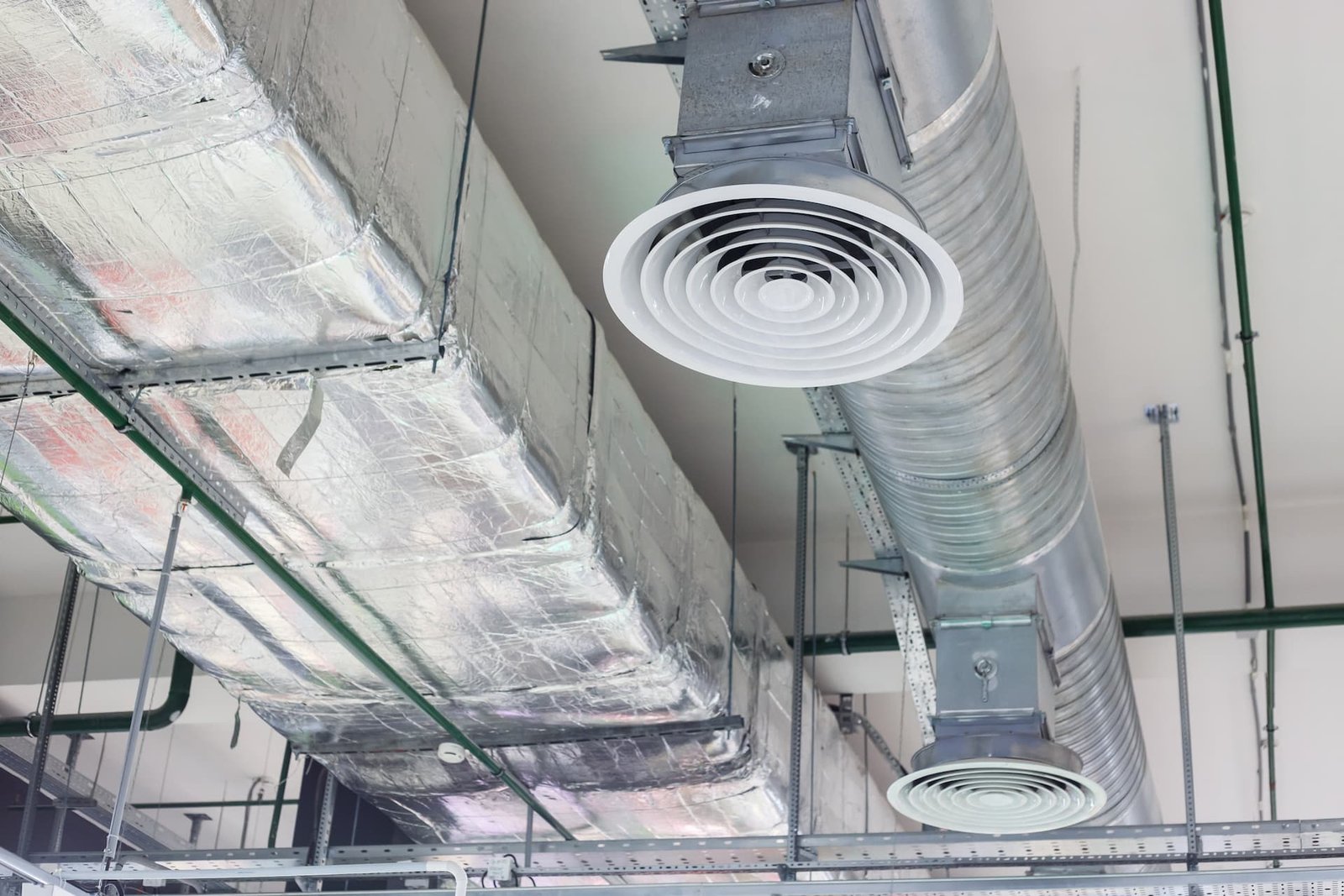
When summer humidity lingers and windows stay shut, homes rely on their HVAC systems for more than temperature. The same blower, ductwork, and return grilles that move cool air can also move dust, pollen, and moisture. Add indoor sources like cooking fumes, cleaning products, and pet dander, and you get a mix that simple room purifiers rarely solve alone. Cleaner indoor air in humid climates comes from balancing three levers: filtration to remove particles, ventilation to dilute gases and odors, and humidity control to slow biological growth. The right combination depends on your house, your equipment, and your daily routines. Here is a practical way to think through each lever so they work together instead of at cross purposes.
Know Your Air: Particles, Gases, and Moisture Behave Differently
Dust, pollen, and smoke particles are best captured by filters; gases like volatile organic compounds from paints or aerosols need dilution with fresh air; excess moisture feeds mold spores and dust mites. A family with two shedding dogs needs stronger filtration for dander and tracked-in soil. A weekend repainting project releases more VOCs, where ventilation matters more than a denser filter. In humid valleys and coastal-influenced areas, moisture can be the swing factor because high relative humidity makes musty smells linger and allows biofilms to build on the evaporator coil and inside drain pans. Local context matters; see how late-summer decisions shape Indoor air quality in Muscle Shoals. Start by naming your main irritant- particles, fumes, or moisture- so you can pull the most effective lever first.
Filtration Without Choking Airflow
MERV ratings describe how well a filter captures particles of different sizes. Many homes ship with a thin 1-inch filter, often MERV 6 to 8, that misses many fine particles. Upgrading to MERV 11 or 13 can capture more smoke, pollen, and pet dander, but pressure drop matters: a dense 1-inch filter can starve airflow, overheat a furnace, or freeze an air conditioner’s coil. A better approach is a deeper 3- to 5-inch media cabinet that spreads resistance across more surface area, keeping static pressure in check while raising capture efficiency. Whole-house HEPA typically uses a dedicated fan in a bypass arrangement; pushing HEPA through a standard return slot isn’t realistic.
Two quick checks prevent filtration backfires. First, confirm you have adequate return air; undersized or blocked returns make any filter struggle. Second, listen for whistling at the filter rack, which signals bypass leaks that let dust sneak around the media. A simple gasketed door or a properly sized filter can stop bypass. If coil cleanliness is a chronic problem, a UV-C lamp aimed at the evaporator coil can help keep surfaces cleaner between maintenance without adding airflow resistance. Avoid gadgets that create ozone as a byproduct; cleaning air should not mean introducing a pollutant.
Bring in Outdoor Air Wisely in Humid Weather
Ventilation removes what filters cannot. Bath fans that exhaust outside, not into the attic, and a properly ducted range hood help with humidity spikes and cooking aerosols. For continuous dilution, a balanced system like an energy recovery ventilator (ERV) can exchange stale indoor air with outdoor air while transferring some heat and humidity between streams. In muggy climates, an ERV is usually preferable to a heat recovery ventilator (HRV) because it tempers incoming moisture. The trade-off is energy and humidity load: more outside air means the system has more work to do. Smart controls can run ventilation during parts of the day when outdoor dew point is lower, or interlock it with cooling so the coil handles the added latent load. Cracking a window for “freshness” on a 75 percent humidity day often makes the house feel worse; controlled ventilation does it better.
Control Humidity to Cut Mold, Dust Mites, and Musty Odors
Air conditioners remove moisture when the coil is cold and airflow is correct, but on mild, cloudy days or at night, run times may be too short to lower humidity. That is where a whole-house dehumidifier, tied into the return duct and drained to a safe location, can keep relative humidity in a generally healthy range, often about 40 to 50 percent, regardless of temperature calls. Drier air helps carpets dry between cleanings, slows mildew in closets, and keeps musty smells from settling into textiles. In basements or crawlspaces, encapsulation and a dedicated dehumidifier can stop ground moisture from feeding the rest of the house.
A common setting mistake in humid regions is leaving the thermostat fan on ON all day. When the compressor stops, the warm coil can re-evaporate moisture back into the supply airstream, raising indoor humidity. AUTO usually performs better because the fan stops with the compressor, keeping that captured moisture in the drain pan. After showers, use the bathroom fan for 15 to 20 minutes to purge steam instead of relying on the central system. Small, targeted actions keep the main equipment from fighting uphill.
Ductwork, Maintenance, and Small Habits That Protect IAQ
Leaky or unbalanced ducts pull dusty attic or crawlspace air into the system, bypass filters, and spread particulates to every room. Mastic-sealed joints, tight filter doors, and clear supply and return pathways protect air quality as much as any gadget. If some rooms run hotter, do not close supply registers to “push” more air elsewhere; that raises static pressure and sends more unfiltered air through cracks. Instead, set balancing dampers correctly and verify total airflow matches the system’s design. Keeping the evaporator coil and condensate drain clean during routine service helps maintain both humidity control and airflow.
Habits matter too. Replace filters on a schedule that matches your home: a busy household with pets during pollen season may need changes every 1 to 2 months; a smaller household in winter might go longer with a deeper media filter. Store paints, fuels, and solvents in a detached area if possible, or at least in sealed containers. Choose low VOC products for future projects. Use a HEPA-rated vacuum to capture fine particles that ordinary vacuums can blow back out. After a small renovation, run kitchen and bath fans more often for a few days, temporarily step up to a MERV 11 to 13 media filter, and crack interior doors so returns can pull air evenly.
Cleaner indoor air is not one big purchase; it is a matched set of moves. Name your biggest irritant, tune filtration to capture it without strangling airflow, ventilate when fumes and odors build, and keep humidity in a healthy band so moisture doesn’t undo your work. If you change one lever, pay attention to the others. A slightly deeper filter, an ERV set to sensible hours, and an AUTO fan setting can do more together than a single expensive device working alone. Start with the easiest adjustments, watch how your home responds over a week, then decide whether a bigger upgrade is warranted.











Leave a Reply