
Cold bedrooms, a too-warm basement, a furnace that cycles on and off, or a thermostat that never seems satisfied all point to a heating system and home that are out of sync. Before you assume the equipment is failing, it helps to distinguish between system issues and building-related problems. With a few checks focused on airflow, water flow, heat loss, and controls, many homeowners can pinpoint the real cause of uneven temperatures and make targeted fixes that improve comfort without guessing.
Spot the Patterns: Early Signs Your System Is Out of Balance
Start by mapping symptoms to rooms and timing. A bedroom over a garage that is cold on windy nights suggests conductive and infiltration losses through the garage ceiling and rim joist. A second floor that runs cool while the first floor stays warm often points to supply air not reaching long duct runs, a starved return, or stratification at the stairwell. Short cycling, where the furnace or boiler fires for brief bursts, can indicate a restricted filter, a poorly placed thermostat near a supply register, or an oversized stage kicking in before rooms absorb the heat.
Listen and look as the system runs. Whistling at return grilles hints at high static pressure from a clogged MERV filter or undersized return ductwork. Lukewarm air at far supply registers but a very hot plenum can signal insufficient airflow across the heat exchanger. Radiators or baseboard fin tubes that gurgle likely have trapped air, while a section that stays cool after the boiler fires may be starved by a stuck zone valve or a circulator set too low. Many homeowners search for a heating contractor in Severna Park when basic checks don’t solve the issue, because a qualified pro can measure static pressure, verify blower settings, and identify duct bottlenecks.
Forced Air Checks: Filters, Duct Static Pressure, and Register Balancing
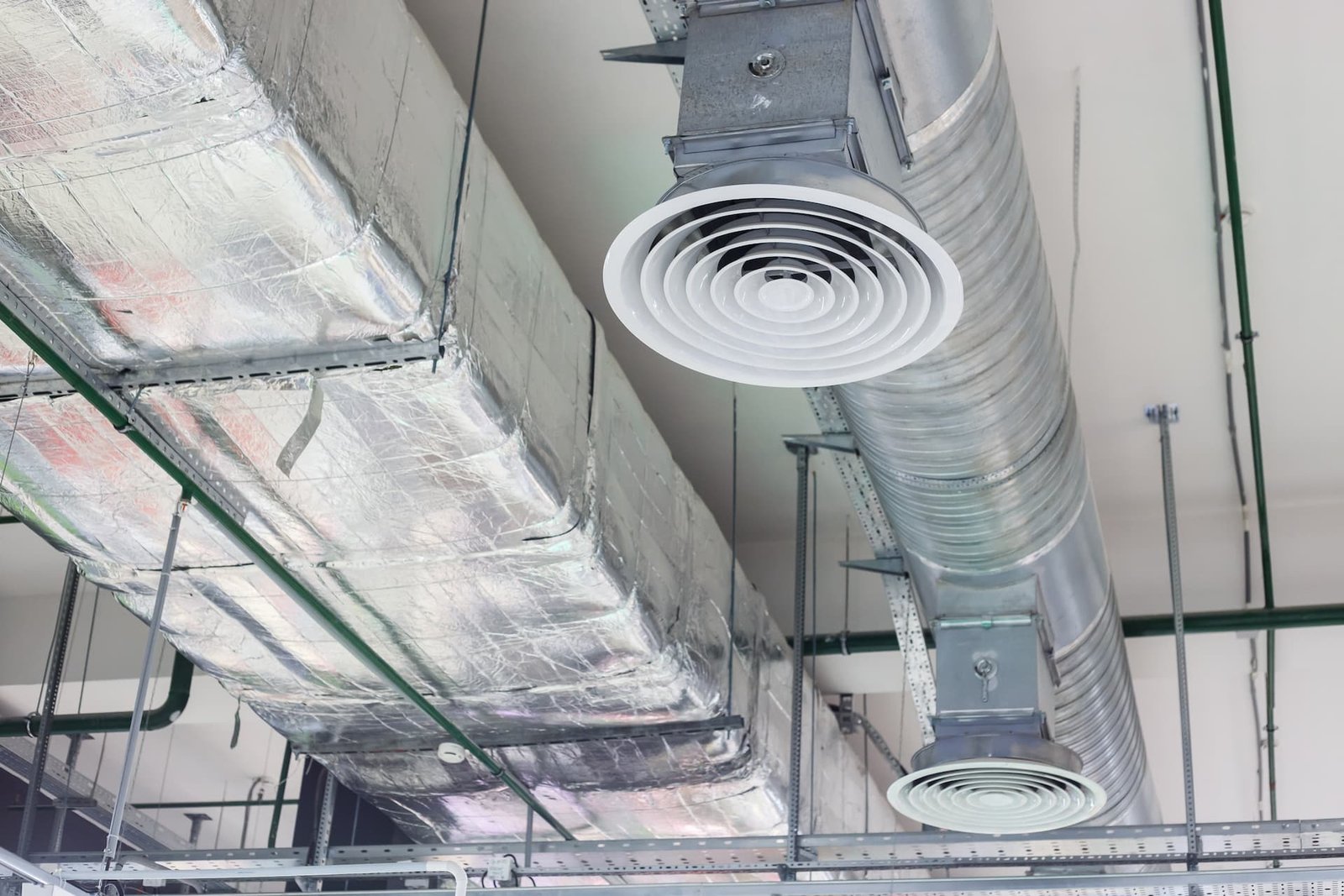
Airflow is the lifeblood of a furnace or heat pump in heating mode. A high-MERV filter catches more particles but can choke airflow if your return is small or the blower isn’t set to compensate. If rooms are uneven, try a clean filter with lower pressure drop, and check every return grille for blockages from furniture or drapes. Closing supply registers to “push” more heat elsewhere is a common mistake; it raises total external static pressure, which can reduce blower airflow, increase noise at the remaining grilles, and trigger furnace limit trips.
Look for manual balancing dampers on round branches near the supply trunk and label their positions. Small quarter-turn adjustments can redirect cubic feet per minute toward longer runs that feed far bedrooms. Seal obvious duct leaks at joints in attics or crawlspaces with mastic, not tape, to keep warm air from spilling into unconditioned areas. If stratification at the stairs leaves upstairs cool, try the fan in continuous low-speed mode to mix air, but weigh the tradeoff of extra fan energy and slightly cooler supply temperatures against more even comfort. Finally, check temperature rise across the furnace by measuring at the supply plenum and return; a rise outside the nameplate range suggests airflow or burner settings need attention.
Hydronic Clues: Baseboard Output, Air in Lines, and Zone Valves
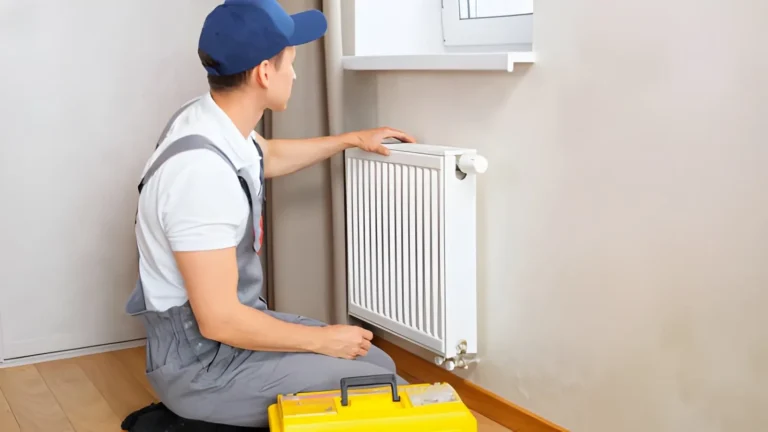
With hot water heat, your goal is steady flow and unobstructed convection. Baseboard fin tube units rely on room air entering at the bottom, passing over the fins, and exiting through the top cover. Rugs tucked against the baseboard and furniture tight to the wall strangle convection and slash output. If you hear hissing, bleed trapped air from radiators or use the system’s purge valves per the boiler manual; air pockets block circulation and create cold spots near the end of a loop. Verify boiler pressure and temperature on the gauge. Low pressure from a waterlogged expansion tank can leave upper floors underheated.
Feel inlet and outlet piping on each run. A large temperature difference at the start of a loop but lukewarm emitters downstream points to a failing zone valve, a circulator running too slowly, or a partially closed isolation valve. Thermostatic radiator valves can help trim overheated rooms but, if overused, can starve parallel branches. If you have a condensing boiler, remember it prefers lower return water temperatures for efficiency; cranking supply temperature up may restore a cold room temporarily but sacrifices efficiency and can mask the real issue of poor flow or heat loss.
Room by Room Scenarios: Over Garage Bedrooms and Basements
A common complaint is the bonus room or bedroom over a garage that never warms up. Long, uninsulated supply runs through a cold garage, and a leaky rim joist lets heat bleed away before it reaches the register. Triage by air sealing the garage ceiling penetrations and rim joist with foam and caulk, adding dense insulation above the garage, and insulating any exposed trunk or branch ducts. Partially open nearby balancing dampers to favor the long run and consider adding a dedicated return to improve circulation. If the supply register sits under the window, verify the boot is sealed to the subfloor, and the register isn’t blocked by curtains.
Another frequent pattern is a toasty basement with a chilly main floor. Supply ducts often dump heat into the basement while returns upstairs are starved. Keep the basement door open when heating to allow a return path or add transfer grilles to bedrooms to relieve pressure. Slightly throttle basement branch dampers and open main floor branches to nudge more airflow upstairs. If a heat pump serves the home, ensure the auxiliary heat settings are correct; an early aux heat lockout can leave upstairs behind during morning warm-ups, while an overly aggressive aux can overheat the basement zone during recovery.
When DIY Stops: Tests a Licensed Heating Tech Should Perform
If quick checks don’t resolve uneven heating, targeted measurements can cut down on guesswork. A technician can read total external static pressure with a manometer, compare it to the blower’s rated maximum, and set the ECM blower speed tap to deliver the airflow your furnace needs. In forced-air systems, duct leakage testing quantifies losses to attics or crawlspaces, and a temperature-rise test verifies combustion and airflow are aligned. With hydronic heat, a pro can purge air correctly, set the circulator to the proper head and flow, test zone valves, and inspect the expansion tank charge. For heat pumps, verifying refrigerant charge and correct defrost control in heating mode can prevent long, lukewarm cycles.
Comfort follows physics. Give heat a clear path, reduce places it can escape, and confirm the equipment is moving the right amount of air or water. After any adjustments, recheck the simple metrics you started with: room temperatures at different times of day, supply register temperature compared with return, and the length of each heating cycle. A consistent pattern of balanced temperatures and steady cycles tells you the system and the house are finally working together.










Leave a Reply