
The electronics manufacturing industry is becoming increasingly sophisticated as businesses develop products with advanced features, compact designs, and improved performance. From consumer electronics and automotive systems to industrial automation and communication equipment, modern devices depend on accurately manufactured printed circuit boards (PCBs). Managing complex production requirements can be challenging, particularly when businesses need reliable components, precise assembly, and shorter development timelines. Quick turn pcb assembly offers a practical approach for companies looking to accelerate electronic product development while maintaining important manufacturing standards.
Electronics production involves several interconnected stages, including circuit design, PCB fabrication, component sourcing, assembly, inspection, and testing. Coordinating these activities requires technical knowledge, suitable equipment, and effective project management. Modern manufacturing solutions help simplify these processes, allowing businesses to focus on developing products that meet changing market demands.
Understanding the Challenges of Electronics Manufacturing
Producing modern electronic devices requires careful planning and coordination. Even relatively small circuit boards can contain numerous components, complex electrical connections, and detailed design requirements.
One common challenge is managing different manufacturing stages. Businesses may need to work with separate suppliers for circuit board fabrication, electronic components, and final assembly. This can create communication difficulties and increase the time required to complete a project.
Other common challenges include:
Complex circuit designs: Advanced electronic products often require multilayer boards and compact component arrangements.
Component availability: Delays in sourcing specific electronic parts can affect production schedules.
Manufacturing accuracy: Incorrect component placement or soldering can create performance problems.
Quality management: Every production stage requires appropriate inspection and testing.
Project coordination: Managing multiple suppliers can make production planning more difficult.
Addressing these challenges requires a structured manufacturing approach that connects different production activities efficiently.
How Quick Turn PCB Assembly Supports Faster Production
Quick-turn assembly focuses on completing PCB assembly projects within shorter production timelines. It is particularly useful for businesses that need prototypes, engineering samples, or small production batches without unnecessary delays.
This approach can help product developers evaluate their electronic designs sooner and identify potential issues before moving toward larger manufacturing quantities.
Quick-turn production may involve coordinated component sourcing, efficient assembly scheduling, automated placement equipment, and organized inspection procedures. The exact turnaround time depends on board complexity, component availability, manufacturing requirements, and order quantity.
Some important benefits include:
Faster development cycles: Businesses can receive assembled boards sooner and continue product testing.
Early design evaluation: Engineers can identify problems before investing in larger production runs.
Improved project flexibility: Smaller production batches make it easier to introduce design modifications.
Reduced coordination challenges: Integrated manufacturing processes can simplify communication between different production stages.
Better product planning: Faster prototype availability helps businesses make informed decisions about future manufacturing requirements.
These advantages make quick-turn assembly valuable for companies operating in competitive technology markets.
The Importance of Accurate PCB Design and Fabrication
A successful electronics manufacturing project begins with an accurate PCB design. Engineers must determine component positions, electrical connections, board dimensions, and material requirements before production starts.
Modern circuit boards are available in different configurations, including single-layer, double-layer, and multilayer designs. Each configuration offers different capabilities depending on the complexity of the electronic product.
Advanced applications may require high-density interconnect technology, flexible circuit boards, or specialized materials. These solutions allow engineers to create compact electronic assemblies while maintaining suitable electrical performance.
PCB fabrication involves processes such as copper pattern formation, drilling, lamination, surface finishing, and electrical testing. Accuracy during these stages is essential because fabrication defects can affect the assembly process and final product functionality.
Providing complete design documentation helps manufacturers understand technical requirements and reduce avoidable production complications.
Advanced Assembly Technologies Improve Efficiency
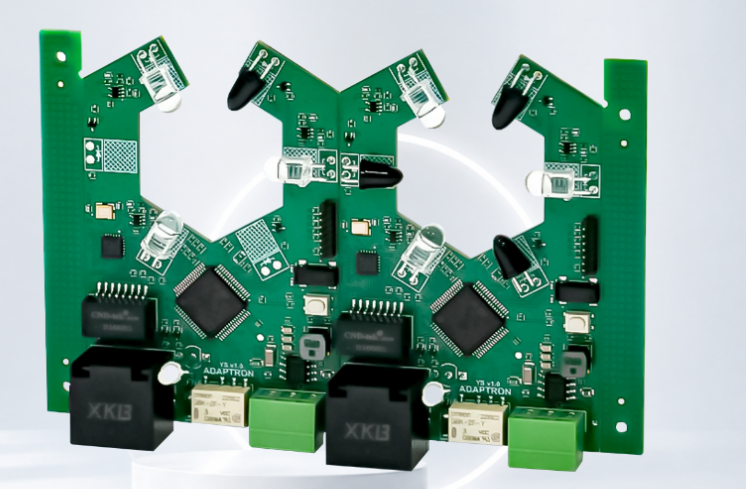
Modern PCB assembly facilities use different technologies to install electronic components accurately. Surface Mount Technology (SMT) is one of the most common methods because it supports compact component arrangements and automated production.
Pick-and-place machines position components according to digital design files. After placement, reflow soldering creates electrical connections between components and the circuit board.
Through-hole assembly is another important technique. It involves inserting component leads through drilled holes before soldering them into position. This method is often used when components require additional mechanical support.
Depending on the project, manufacturers may combine SMT and through-hole assembly to achieve the required performance.
Automation improves production consistency by reducing manual handling and supporting accurate component positioning. However, experienced technicians remain important for reviewing manufacturing requirements, monitoring equipment, and resolving technical issues.
Quality Control in Modern Electronics Manufacturing
Speed alone does not determine the success of an electronics manufacturing project. Quality must remain an important priority throughout fabrication and assembly.
Manufacturers use different inspection techniques to identify possible defects. Automated Optical Inspection (AOI) examines assembled boards for visible problems such as missing components, incorrect placement, and soldering irregularities.
X-ray inspection can evaluate hidden solder connections, particularly in advanced component packages. Electrical testing checks continuity and identifies possible short circuits, while functional testing determines whether an assembled board operates according to its design.
An effective quality control process provides several benefits:
Improved electrical reliability.
Reduced manufacturing defects.
Consistent assembly quality.
Better product performance.
Fewer production-related revisions.
Combining efficient manufacturing with appropriate testing helps businesses maintain dependable product standards.
Industries That Benefit from Efficient PCB Assembly
Modern PCB assembly supports a wide range of industries. Different sectors require specialized circuit board designs and manufacturing processes to meet their technical requirements.
Consumer Electronics: Smartphones, laptops, cameras, and smart home devices depend on compact and accurately assembled PCBs.
Automotive Technology: Modern vehicles use electronic boards in navigation systems, sensors, lighting controls, and battery management equipment.
Medical Devices: Diagnostic instruments and patient monitoring systems require dependable electronic assemblies.
Industrial Automation: Robotics, control equipment, and manufacturing machinery rely on circuit boards for consistent operation.
Telecommunications: Networking equipment and communication systems use advanced PCBs to support signal processing and data transmission.
Efficient assembly processes help manufacturers serve these industries while adapting to different product requirements.
How FastTurn PCBA Helps Simplify Manufacturing Requirements
Choosing a suitable PCB manufacturing partner can simplify production planning and help businesses manage technical requirements more effectively. Companies should evaluate manufacturing capabilities, assembly technologies, component sourcing, inspection procedures, and communication standards before selecting a provider.
FastTurn PCBA focuses on PCB manufacturing and assembly solutions for different electronic project requirements. Businesses exploring its services can evaluate their design specifications, component lists, production quantities, and assembly needs to identify suitable options.
Clear communication is an important part of this process. Providing accurate Gerber files, a Bill of Materials (BOM), and assembly instructions helps manufacturing teams understand the project before production begins.
Discussing technical requirements early can also help identify potential challenges involving component availability, board complexity, and manufacturing specifications. This preparation supports better coordination and more organized production workflows.
The Future of Electronics Manufacturing
Electronics manufacturing will continue evolving through automation, advanced materials, miniaturization, and improved production management. Businesses are increasingly looking for manufacturing processes that support faster development without compromising product reliability.
High-density circuit designs, flexible PCBs, automated inspection, and integrated assembly solutions will remain important areas of development. Manufacturers that adopt suitable technologies can better respond to changing customer expectations and increasingly complex electronic applications.
As the industry progresses, efficient PCB manufacturing will continue supporting innovation across consumer, industrial, automotive, and medical technology markets.
Conclusion
Complex electronics manufacturing requires accurate design preparation, reliable fabrication, efficient assembly, and consistent quality control. Quick-turn production helps businesses accelerate development, evaluate prototypes, and respond to changing project requirements. By combining appropriate manufacturing technologies with effective planning, companies can simplify production activities and improve overall efficiency. FastTurn PCBA is relevant to this evolving industry through its focus on PCB manufacturing and assembly solutions for businesses developing modern electronic products.
How FastTurn PCBA Simplifies Complex Electronics Manufacturing
















Leave a Reply