
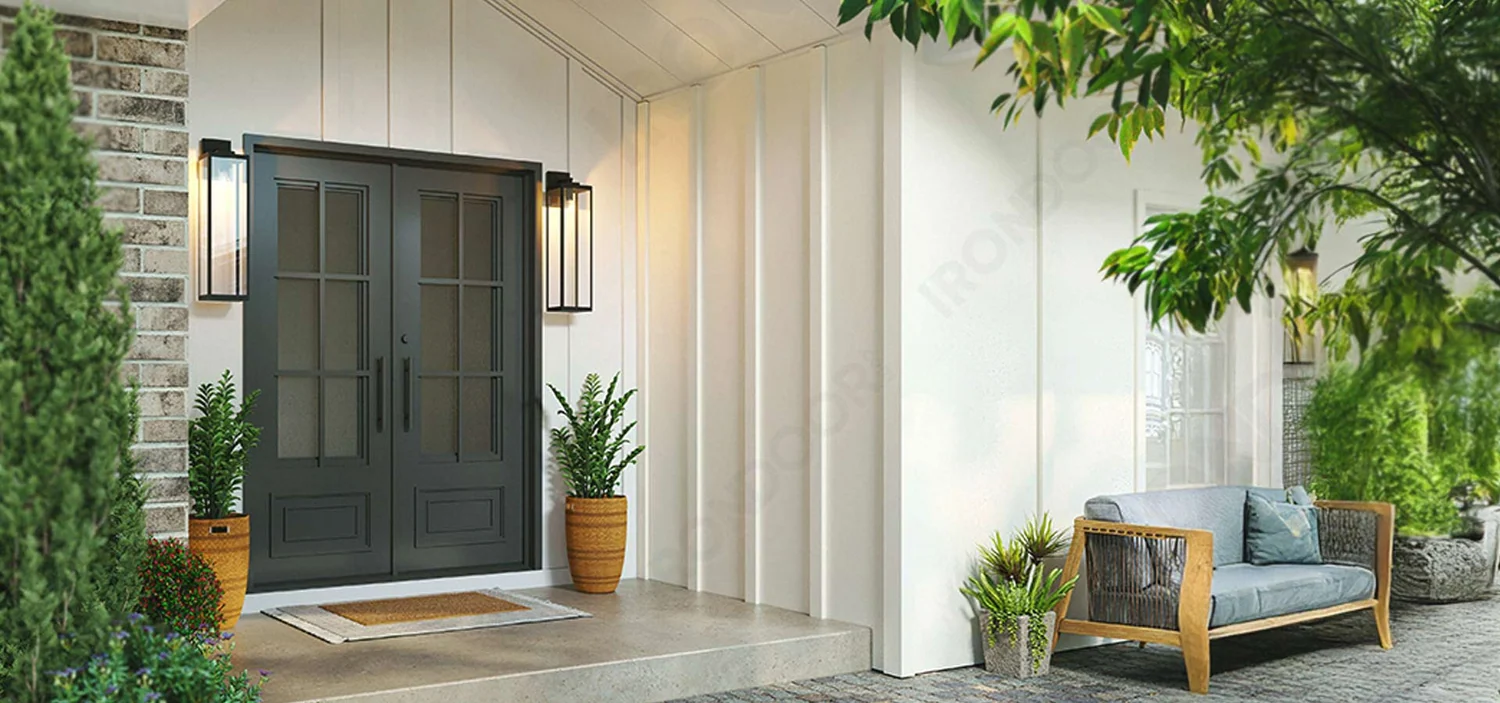
The exterior of a home creates the first impression for visitors, neighbors, and potential buyers. Every architectural detail contributes to its overall appearance, but the front entrance often attracts the most attention. Choosing the right entry door can make an ordinary exterior look more elegant, welcoming, and distinctive. Custom iron doors offer homeowners an opportunity to combine decorative appeal, durability, and practical functionality in one architectural feature.
Unlike standard doors with limited design options, custom iron doors can be created according to a property’s dimensions, architectural style, and personal preferences. Homeowners can choose different metal patterns, finishes, glass designs, hardware, and configurations to create an entrance that complements the entire exterior.
From traditional homes to modern properties, iron exterior doors can significantly influence curb appeal while adding character and visual interest. Understanding their design possibilities and practical benefits can help homeowners decide whether a customized entrance is the right investment.
Creating a Strong First Impression
The front entrance is one of the most noticeable elements of a property’s exterior. A well-designed door can make the home look more organized, sophisticated, and visually appealing.
Custom iron doors provide an opportunity to create an entrance that reflects the home’s architectural personality. Their distinctive metalwork can become a focal point without requiring major changes to the rest of the exterior.
For example:
- A traditional home can feature decorative scrollwork and elegant curves.
- A contemporary property can use simple geometric patterns and clean lines.
- A Mediterranean-style house can benefit from ornamental details and arched designs.
- A modern farmhouse can incorporate understated metalwork with warm exterior finishes.
- A luxury property can feature oversized double doors with customized glass panels.
Selecting a design that complements the home’s existing features helps create a balanced and attractive exterior.
Personalized Designs for Different Architectural Styles
One of the biggest advantages of custom iron doors is the flexibility to choose a design that suits a particular property. Standard doors may not always match unique architectural details, especially when a home has an unusual entrance or distinctive exterior design.
Customized options allow homeowners to select patterns, dimensions, finishes, and decorative elements according to their requirements.
Traditional and Classic Designs
Traditional iron doors often include ornamental scrollwork, curved lines, symmetrical patterns, and decorative metal accents. These details can complement properties with classic architectural features, stone walls, columns, and decorative exterior elements.
Modern and Minimalist Designs
Modern homes usually benefit from simpler designs. Straight metal lines, geometric shapes, and large glass sections can create a clean and sophisticated entrance.
Minimalist iron doors are particularly suitable for properties with contemporary windows, neutral colors, and simple exterior finishes.
Mediterranean-Inspired Designs
Mediterranean architecture often features arched entrances, decorative ironwork, warm colors, and natural materials. Custom iron doors can complement these elements through curved frames and detailed metal patterns.
Rustic and Industrial Styles
Rustic and industrial designs combine practical metal construction with understated decorative features. Dark finishes, simple geometric patterns, and textured surfaces can work well with brick, stone, and wood.
Enhancing Curb Appeal with Decorative Metalwork
Decorative metalwork is an important feature that distinguishes iron exterior doors from many conventional entry door options. Customized patterns can add depth, texture, and personality to the entrance.
Homeowners can choose from several decorative approaches, including:
- Traditional floral patterns.
- Elegant scrollwork.
- Geometric arrangements.
- Symmetrical metal designs.
- Minimalist vertical and horizontal lines.
- Customized ornamental details.
The choice of metalwork should complement the home’s exterior rather than compete with other architectural features.
For example, a property with elaborate exterior decorations may look more balanced with a simple door design. In contrast, a home with a plain facade may benefit from a more decorative entrance.
The right combination can create a distinctive appearance while maintaining architectural harmony.
Adding Natural Light Through Glass Features
Glass is another important element in customized iron doors. It can make an entrance look more open and welcoming while allowing natural light to enter the interior.
Different glass options provide varying levels of visibility, privacy, and decorative appeal.
Clear Glass: Suitable for homeowners who want maximum natural light and an unobstructed view.
Frosted Glass: Provides additional privacy while allowing light to pass through.
Textured Glass: Adds decorative interest and reduces direct visibility.
Patterned Glass: Can complement traditional or contemporary metalwork.
Laminated Safety Glass: Uses an interlayer designed to help hold broken glass fragments together.
Homeowners should consider the location of the entrance, privacy requirements, and applicable safety standards when selecting glazing.
Combining glass with decorative metalwork can create an attractive entrance that feels both elegant and functional.
Creating a More Impressive Entrance with Custom Sizes
Not every property has a standard-sized front entrance. Some homes feature wide openings, high ceilings, arched entryways, or unusual architectural dimensions.
Custom iron doors can be manufactured to accommodate these requirements.
Popular configurations include:
Single Iron Doors
Single doors are suitable for most residential entrances. They can be customized with decorative panels, glass inserts, and different metal finishes.
Double Iron Doors
Double doors create a wider and more dramatic entrance. They are often selected for larger homes, luxury properties, and spacious entryways.
Iron Doors with Sidelights
Sidelights are narrow glass panels positioned beside the main door. They can increase natural light and make the entrance appear wider.
Iron Doors with Transoms
Transoms are glass sections installed above the iron exterior doors. They add architectural height and can create a more impressive entrance.
Arched Iron Doors
Arched designs are suitable for homes with curved entryways or traditional architectural details. They can give the exterior a distinctive and elegant appearance.
Correct measurements and suitable structural support are essential, especially when installing large or heavy door configurations.
Improving Exterior Security and Protection
A front entrance should look attractive, but it must also serve an important practical purpose. Custom iron doors can provide a strong metal structure, making them an appealing option for homeowners who prioritize physical strength.
However, the overall security of an entrance depends on more than the door material. The frame, hinges, locking system, glass, and installation all contribute to its performance.
Important security features include:
- High-quality deadbolt locks.
- Multi-point locking systems where available.
- Reinforced locking areas.
- Strong hinges and secure fasteners.
- Properly fitted door frames.
- Suitable safety glazing.
Homeowners should discuss these features with the manufacturer before ordering a customized product. A well-designed door assembly can help balance appearance and everyday security requirements.
Choosing Finishes That Complement the Exterior
The finish of an iron door can influence the entire appearance of a home’s entrance. Selecting a suitable color and surface treatment helps the door blend with the exterior walls, windows, roofing, and other architectural materials.
Popular finishes include:
- Matte black for a modern and timeless appearance.
- Antique bronze for traditional and classic properties.
- Dark brown for warm and rustic exteriors.
- Charcoal gray for contemporary homes.
- Custom colors for coordinated architectural designs.
Protective coatings are also important because exterior doors are exposed to rain, sunlight, humidity, and changing temperatures.
Homeowners should ask about the coating process, corrosion protection, and recommended maintenance. Scratches or damaged coating areas should be addressed promptly to help prevent moisture-related deterioration.
Coordinating Iron Doors with Other Exterior Features
A customized entrance looks most attractive when it works with the surrounding architectural elements. Instead of selecting a door independently, homeowners should consider the overall exterior design.
Several features can be coordinated with the entrance.
Windows: Matching decorative patterns or frame colors can create visual consistency between the door and windows.
Exterior Lighting: Wall-mounted lights can highlight the entrance and make decorative metalwork more noticeable.
Stone and Brick: Iron doors can complement natural stone, brick walls, and textured exterior finishes.
Landscaping: Plants, pathways, and decorative planters can make the entrance feel more welcoming.
Door Hardware: Handles, hinges, and decorative accessories should match the selected finish and overall design.
These details help create a more complete exterior appearance without requiring a full renovation.
Durability and Long-Term Maintenance
Custom iron doors can be a long-term exterior feature when manufactured properly and maintained according to the manufacturer’s instructions.
Their durability depends on the quality of the metal, construction methods, protective finish, environmental exposure, and installation.
Regular maintenance helps preserve both appearance and functionality.
Homeowners should:
- Clean the door using a soft cloth and suitable cleaning solution.
- Inspect the protective coating for scratches or damage.
- Check hinges and locking mechanisms periodically.
- Repair exposed metal according to manufacturer recommendations.
- Examine weatherstripping for wear.
- Keep the entrance area clean and properly drained.
Properties in coastal or humid environments may need more frequent inspections because moisture can increase the risk of corrosion.
Considering Energy Efficiency Before Installation
Although iron doors can enhance the exterior, homeowners should also consider their insulation and weather-sealing features.
Metal can conduct heat, so energy performance depends on the complete door design rather than the material alone.
Useful features may include insulated glass, thermal breaks, weatherstripping, sealed frames, and properly fitted thresholds.
These features can help reduce unwanted air leakage and support indoor comfort. Before purchasing, homeowners should ask for available energy performance specifications and confirm that the door is suitable for their local climate.
Conclusion
Custom iron doors can transform a home’s exterior by creating a distinctive entrance that combines decorative appeal, personalized design, and practical functionality. Their flexible styles, customized dimensions, glass options, and attractive finishes make them suitable for traditional, modern, rustic, and luxury properties.
When choosing iron exterior doors, homeowners should consider more than appearance. Material quality, security features, corrosion protection, insulation, structural support, and professional installation all influence the final result.
By selecting a design that complements the home’s architecture and meets everyday requirements, homeowners can create an entrance that improves curb appeal and adds lasting character to their property.










Leave a Reply