
Brakes rarely fail without sending clues first. Slight squeals, a faint vibration through the steering wheel, a longer stopping distance, or a glowing warning light can all point to issues with brake pads, rotors (discs), calipers, fluid, or the ABS system. Recognizing these early signs matters because friction materials wear gradually while heat, corrosion, and contamination steadily reduce braking performance. Left unchecked, minor pad wear can turn into metal on metal grinding, a sticking caliper can overheat a rotor, and old brake fluid can boil under load. This article explains practical ways to identify meaningful symptoms, distinguish them from harmless one offs, and decide what you can safely check at home versus what needs professional attention.
Noises that point to pad or hardware wear
High pitched squealing that appears at low speed is often the pad’s wear indicator tab contacting the rotor, a built in alert that friction material is thinning. Grinding or a harsh scrape usually means the pad backing plate is already touching the disc, which damages the rotor quickly. Light rattles over bumps may come from loose anti rattle clips or worn pad shims, while a rhythmic chirp that changes with speed could be a small pebble caught between the disc and dust shield. A workshop such as Haywood Garage can confirm whether the sound is harmless road debris or a sign that pads and hardware need replacement before the rotor is ruined.
Moisture can create false alarms. After heavy rain or a car wash, a surface rust film can form on rotors overnight and squeal briefly until the pads wipe it clean. If the noise disappears after a few controlled stops and does not return, it is likely benign. Persistent squeal, however, may come from glazed pads, corroded backing plates, or dry caliper slide pins. Spraying lubricants on friction surfaces is a mistake that reduces stopping power. The correct fix is to replace worn components and lubricate only the contact points specified by the manufacturer, not the pad face or rotor.
Feel through the pedal and steering wheel: pulsation, fade, and pull
Pulsation during light to moderate braking often indicates rotor thickness variation or lateral runout. You may feel the steering wheel shimmy if the front discs are affected, while a pedal that surges without steering vibration can point to the rear axle. Heat spots from repeated hard stops or a stuck caliper can create uneven pad deposits on the disc, producing that on off sensation. Distinguish this from ABS activation: during an emergency stop on slippery pavement, ABS will chatter the pedal rapidly as it modulates pressure to prevent wheel lock up. Routine braking should feel smooth, without rhythmic feedback.
Brake “fade” is a different sensation. After a long downhill, the pedal may feel firm but the car takes longer to slow because pad friction has dropped due to overheating. In extreme cases, the pedal can go soft if old fluid boils, forming compressible vapor in the lines. Pulling to one side during braking suggests a seized caliper piston, a collapsed brake hose, or heavily uneven pad wear. A spongy pedal often points to air in the hydraulic circuit or a failing master cylinder. Any change in normal feel that persists beyond a single drive warrants an inspection before the problem escalates.
What dashboard lights and fluid checks can reveal
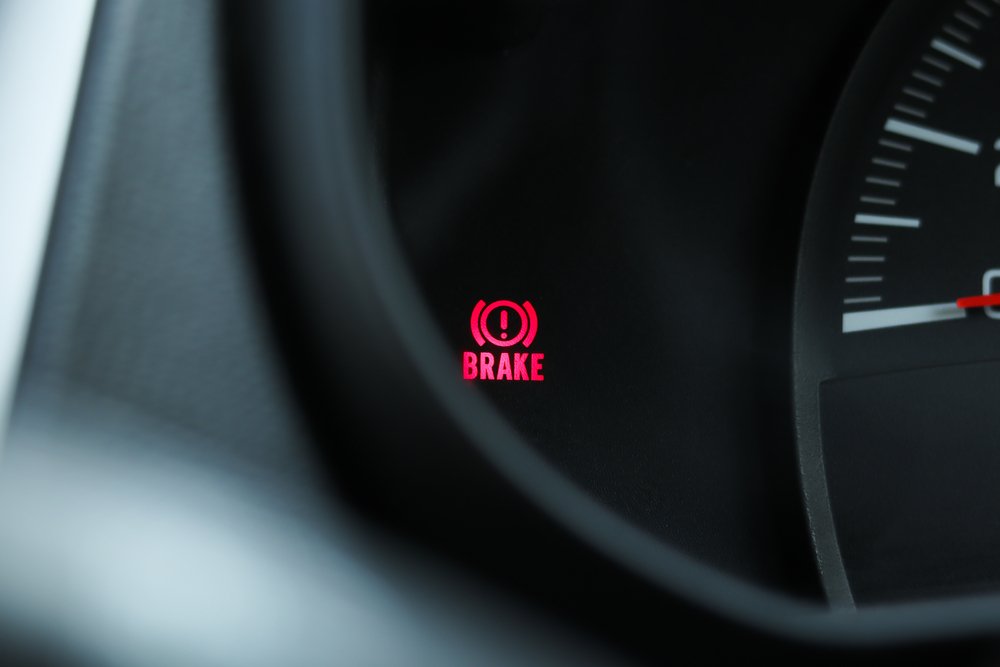
The red brake warning light typically indicates the parking brake is engaged or the system has detected low fluid in the master cylinder reservoir. Low fluid commonly tracks with pad wear because caliper pistons sit farther out as pads thin. Topping the reservoir to hide the symptom is a mistake: when new pads are installed, excess fluid can overflow and create a mess or damage paint. Amber ABS or stability control lights point to faults such as a failed wheel speed sensor, corroded tone ring, or wiring damage. These systems need proper diagnostics rather than guesswork.
A quick visual check helps. With the engine cool and on level ground, the brake fluid level should sit between the MIN and MAX marks, and the fluid should appear clean, not dark with sediment. Wet streaks on hoses or calipers, or a damp backing plate inside a wheel, can indicate leaks. Use only the fluid grade marked on the reservoir cap or in the owner’s manual. Do not mix silicone based DOT 5 with glycol based fluids, and avoid opening the cap unnecessarily, since brake fluid absorbs moisture from the air and degrades over time.
Simple at home checks versus work best left to a professional
Some observations are safe for most drivers. Look through the wheel spokes or caliper inspection window to gauge pad thickness. Compare inner and outer pads; if the inner pad is much thinner, a sticking slide pin or piston may be at play. Note tire tread wear: feathering or one sided wear can point to alignment issues, but an abrupt shoulder pattern that appears after pulling under braking can also hint at caliper imbalance. For a light squeal after a rainy night in the city, a few moderate stops in a safe, traffic free area may clear surface rust. If the sound persists or grows harsher, schedule an inspection.
Other tasks need proper tools and procedures. Measuring rotor runout with a dial indicator, bleeding the hydraulic system without introducing air, and torquing wheel fasteners evenly are workshop jobs. Avoid clamping brake hoses to “stop the drip,” forcing caliper pistons back against contaminated fluid, or pressing the brake pedal with a caliper removed from the disc. After a mountain descent where you’ve felt fade, pull over to let brakes cool, use a lower gear on the next downhill to reduce heat, and have a technician check pad condition and rotor surfaces for heat damage.
Acting promptly and preventing repeat issues
Once wear or faults are confirmed, timely repairs prevent collateral damage. Replacing pads alone on badly grooved or heat spotted rotors invites vibration and noise; replacing pads and discs as a matched axle set often yields better braking consistency. There is a trade off between budget pads that are quiet but may wear faster and high friction compounds that grip harder but can produce more dust and occasional noise. Ask the technician to service caliper slide pins, inspect dust boots, and verify even piston movement. Fresh hardware like anti rattle clips helps keep new pads seated and quiet.
After new pads and discs are fitted, follow a proper bed in procedure recommended by the pad manufacturer: a series of moderate stops from varying speeds to transfer an even film onto the rotor. This helps minimize pulsation and squeal. Keep to the vehicle’s service schedule for brake fluid changes, and rinse winter road salt from wheels and calipers when possible to slow corrosion. Small signs speak early in braking systems; if you notice persistent squeal, pulsation, pull, a soft pedal, or any warning light, reduce driving until the cause is identified. Prompt attention keeps stopping distances predictable and protects critical components.















Leave a Reply