
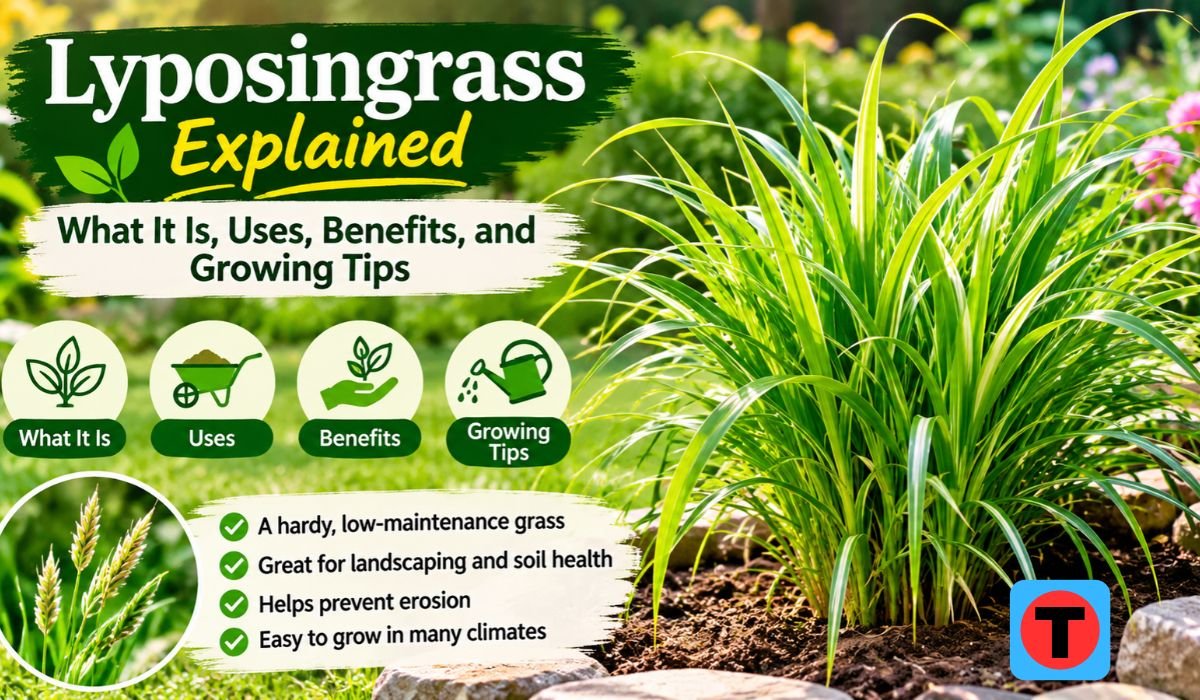
Lyposingrass is an unusual term that has appeared in online discussions about gardening, herbal remedies, and natural living. While some descriptions associate it with lemongrass, others connect it with ornamental plants. This confusion can make finding accurate information surprisingly difficult.
When the term refers to culinary lemongrass, it generally describes a fragrant tropical herb valued for its refreshing citrus aroma, kitchen uses, and attractive green foliage. It can also be grown at home without advanced gardening experience.
This comprehensive 2026 guide explores the meaning of Lyposingrass, its possible benefits, plant identification, growing requirements, everyday uses, and important safety considerations.
What Is Lyposingrass?
Lyposingrass is an informal online term rather than an established botanical name. Many descriptions associated with it resemble lemongrass, scientifically known as Cymbopogon citratus. This aromatic perennial belongs to the Poaceae family, which includes true grasses. Lemongrass is widely cultivated for cooking, fragrances, herbal beverages, and gardening. However, the name Lyposingrass should not be treated as an official synonym for lemongrass. Anyone purchasing seeds, plants, or herbal products should check their scientific names and ingredients. Throughout this guide, cultivation and culinary information refers specifically to genuine lemongrass.
Quick Bio Information About Lyposingrass
The following information applies to culinary lemongrass where it is described online as Lyposingrass.
| Information | Details |
|---|---|
| Common Online Term | Lyposingrass |
| Botanical Name | Cymbopogon citratus |
| Common Name | Lemongrass |
| Alternative Name | West Indian Lemongrass |
| Plant Family | Poaceae |
| Plant Type | Aromatic Perennial Grass |
| Native Region | Southern India and Sri Lanka |
| Mature Height | Approximately 2–4 Feet |
| Appearance | Long, Narrow Green Leaves |
| Fragrance | Fresh, Lemon-Like Aroma |
| Preferred Climate | Tropical and Warm Climates |
| Sunlight | Full Sun |
| Soil Type | Fertile, Well-Drained Soil |
| Water Requirements | Regular Moisture |
| Propagation | Division or Rooted Stalks |
| Major Aromatic Compound | Citral |
| Popular Uses | Cooking, Tea, Fragrances, and Gardening |
| Frost Tolerance | Limited |
Botanical and horticultural information is supported by Royal Botanic Gardens, Kew, and NC State Extension.
Kew Science+1
Origin and History
According to Royal Botanic Gardens, Kew, Cymbopogon citratus originated in southern India and Sri Lanka. Over time, cultivation spread throughout Asia, Africa, the Americas, and other regions with suitable growing conditions. Its distinctive fragrance helped establish its importance in traditional cooking and herbal preparations. Lemongrass became particularly familiar in Southeast Asian cuisine, where cooks use it to create fresh, aromatic flavors. Its popularity has also extended to perfumes and personal care products. Today, it remains a valuable plant for both commercial cultivation and small home gardens.
Kew Science
How to Identify Lyposingrass
Genuine lemongrass develops into a thick clump of slender green leaves that arch outward as they grow. Its lower stalks are noticeably thicker and lighter in color than the upper foliage. One recognizable characteristic is the citrus fragrance released when a leaf is gently crushed. Mature specimens can reach approximately two to four feet in height, depending on growing conditions. The foliage may also have sharp edges, making gardening gloves useful during harvesting. Although these features help with identification, always confirm the botanical name before using an unfamiliar plant in food.
North Carolina Extension Gardener Plant Toolbox
Lyposingrass vs. Lemongrass and Liriope
A common misunderstanding involves confusing lemongrass with Liriope, sometimes called Lilyturf or Monkey Grass. Although both plants have narrow green foliage, they belong to different botanical families. Lemongrass is a true grass cultivated mainly for its fragrance and culinary value. Liriope belongs to the Asparagaceae family and is generally grown as an ornamental border or ground-cover plant. Certain Liriope varieties also produce attractive purple flowers and dark berries. Their similar appearance does not make them interchangeable. Gardeners looking for edible Lyposingrass should purchase correctly labeled culinary lemongrass instead of relying on informal online names.
North Carolina Extension Gardener Plant Toolbox
Natural Compounds in Lyposingrass
Lemongrass contains several naturally occurring compounds responsible for its distinctive fragrance and biological properties. Citral is particularly important and consists primarily of two related compounds called Geranial and Neral. Researchers have also investigated other terpenoids, flavonoids, and phenolic compounds found in the plant. These substances contribute to scientific interest in its potential antioxidant and antimicrobial activity. However, their concentrations vary depending on the plant, growing environment, and extraction process. Fresh lemongrass, herbal tea, and concentrated essential oil therefore have different chemical profiles and should not be considered equivalent.
Potential Health Benefits
Traditional herbal practices have used lemongrass for digestive comfort and general wellness. Scientific studies have explored its possible antioxidant, antimicrobial, and anti-inflammatory properties, although much of this evidence comes from laboratory experiments rather than extensive human trials. A 2024 clinical scoping review found that evidence supporting the effectiveness and safety of lemongrass essential oil remained limited. A 2025 clinical trial also investigated lemongrass aromatherapy in dental patients, demonstrating continued research interest in the plant. Nevertheless, lemongrass should not be promoted as a proven treatment for infections, anxiety, digestive disorders, or other medical conditions.
pubmed.ncbi.nlm.nih.gov+1
Common Uses of Lyposingrass
One reason lemongrass remains popular is its versatility. Its aromatic stalks bring a distinctive citrus flavor to everyday meals, while its leaves can be prepared as herbal infusions. Manufacturers also use lemongrass oil in perfumes, soaps, and scented products. In gardens, its graceful foliage adds movement and visual interest to outdoor spaces. A container near a kitchen or patio provides convenient access to fresh stalks during the growing season. Unlike many purely decorative plants, genuine lemongrass offers both practical culinary value and an attractive appearance.
How to Grow Lyposingrass at Home
Growing lemongrass begins with choosing a healthy, accurately identified plant. Select a sunny location where the roots have enough room to develop and the foliage can expand naturally. Plant it in nutrient-rich soil that provides good drainage, then water thoroughly to help the roots establish. In warmer regions, lemongrass can remain outdoors throughout much of the year. Gardeners living in colder climates may prefer containers because they can move their plants indoors before freezing temperatures arrive. Newly planted specimens benefit from consistent moisture while establishing their root systems.
Illinois
Ideal Growing Conditions
Lemongrass generally grows best with at least six hours of direct sunlight each day. Warm temperatures encourage vigorous growth, while fertile soil enriched with organic matter supports healthy foliage. The soil should remain comfortably moist without becoming waterlogged. Container plants require closer attention because their soil can dry out quickly during hot weather. Appropriate fertilizer during active growth can support development, especially when plants have limited access to nutrients. Avoid excessive feeding or watering, as healthy cultivation depends on maintaining balanced growing conditions rather than relying on fertilizer alone.
Growing From Grocery Store Stalks
You may be able to grow lemongrass using fresh supermarket stalks. Choose firm specimens with an intact lower base, since heavily trimmed stalks may lack the tissue necessary for root development. Position the base in a container of clean water and keep it somewhere warm and bright. Replace the water regularly and watch for new roots. Once a healthy root system develops, transfer the stalk into a pot containing suitable growing soil. University of Wisconsin horticultural guidance confirms that grocery-store lemongrass can sometimes be propagated successfully using this method.
Wisconsin Horticulture
Plant Care and Common Problems
Healthy lemongrass requires regular observation rather than complicated maintenance. Remove completely damaged foliage, maintain appropriate soil moisture, and provide sufficient growing space. Brown leaf tips may indicate environmental stress, while slow development can result from inadequate warmth or sunlight. Yellowing leaves deserve closer attention because several conditions, including watering and nutrient problems, can produce similar symptoms. Mature overcrowded plants can be divided into smaller sections for propagation. During winter, protect container-grown plants from frost and adjust watering to match their slower growth. Investigating the underlying problem is more useful than applying treatments unnecessarily.
RHS Guide
How to Harvest and Store Lyposingrass
Lemongrass can be harvested when its stalks become sufficiently thick for kitchen use. Select mature outer stems and carefully cut them close to the base, leaving the central growth intact. Remove tough outer layers to reveal the tender inner portion used in cooking. Fresh stalks can be refrigerated for short-term storage, while chopped portions can be frozen for future meals. Drying the leaves is another option for preparing aromatic infusions. Fresh lemongrass generally offers the brightest fragrance, although properly stored frozen or dried material remains useful for many recipes.
ucanr.edu+1
Culinary Uses and Lemongrass Tea
Lemongrass brings a refreshing flavor to soups, coconut curries, marinades, seafood, chicken, and rice dishes. Bruising the stalk helps release its aromatic oils into broths and sauces. Tough pieces should generally be removed before serving, while tender inner sections can be finely minced when appropriate. Lemongrass tea is prepared by steeping clean, correctly identified fresh or dried plant material in hot water. Its naturally citrus-like flavor pairs nicely with ginger and other culinary herbs. Although many people enjoy this aromatic beverage, it should be considered a drink rather than a medical treatment.
Does Lyposingrass Repel Mosquitoes?
Lemongrass is frequently associated with natural mosquito repellents because of its aromatic compounds and close botanical relationship with citronella grasses. However, placing a living lemongrass plant beside a window or outdoor seating area does not provide dependable protection against mosquito bites. The effectiveness of commercial botanical repellents depends on their ingredients, concentration, and formulation. The Centers for Disease Control and Prevention recommends using tested, registered insect repellents alongside other protective measures. Lemongrass is worth growing for its fragrance and culinary usefulness, but it should not replace proven mosquito prevention methods.
CDC
Safety and Important Precautions
Correct identification is essential before consuming any product labeled Lyposingrass. Culinary lemongrass and concentrated essential oils differ considerably in strength. Undiluted oils may irritate the skin, and swallowing essential oils can be dangerous. Products intended for external use should always be handled according to their safety instructions. People who are pregnant, breastfeeding, taking medication, or managing medical conditions should seek professional advice before using medicinal herbal preparations. Keep essential oils away from children and pets, and remember that natural ingredients are not automatically harmless.
Poison Control+1
Final Thoughts
Lyposingrass is a term that requires careful interpretation rather than the established name of a particular plant. When it refers to true lemongrass, it describes a fragrant and versatile herb with considerable culinary and gardening value.
With sufficient warmth, sunlight, suitable soil, and regular watering, lemongrass can become a rewarding addition to a home garden.
Accurate botanical identification remains the most important consideration. By understanding the difference between traditional uses and proven scientific findings, readers can appreciate lemongrass without falling for misleading claims about its benefits.
FAQs About Lyposingrass
What Is Lyposingrass?
Lyposingrass is an informal term found in online plant and herbal guides. It is frequently associated with lemongrass but does not represent an established scientific plant name.
Is Lyposingrass the Same as Lemongrass?
Some websites use the term to describe lemongrass. However, confirming the scientific name Cymbopogon citratus is necessary because the two terms are not established botanical synonyms.
What Are the Benefits of Lyposingrass?
Genuine lemongrass provides culinary flavor, pleasant fragrance, and gardening value. Researchers have investigated potential biological benefits, but evidence supporting many medical claims remains limited.
Can Lyposingrass Grow Indoors?
Yes, correctly identified lemongrass can grow indoors in a spacious container with sufficient light, warmth, and moisture. Growth may become slower during colder months.
Can You Grow Lemongrass From Grocery Store Stalks?
Fresh stalks with intact basal growing tissue may develop roots in water. Once established, they can be transferred into suitable soil and grown at home.
Does Lyposingrass Need Full Sun?
Culinary lemongrass generally performs best in full sunlight. Approximately six or more hours of direct daily sunlight encourages strong foliage and healthy development.
Can Lyposingrass Survive Winter?
Lemongrass can survive mild winters under suitable conditions, but freezing temperatures may severely damage it. Bringing container-grown plants indoors before frost offers additional protection.
Is Lyposingrass Tea Safe to Drink?
Properly identified culinary lemongrass is commonly prepared as herbal tea. However, its safety depends on individual circumstances, preparation, and consumption. People with particular medical concerns should consult a healthcare professional before regular medicinal use.
Learn more and explore exciting content on: Duaction Explained: What It Is, How It Works, and Why It Matters













Leave a Reply