
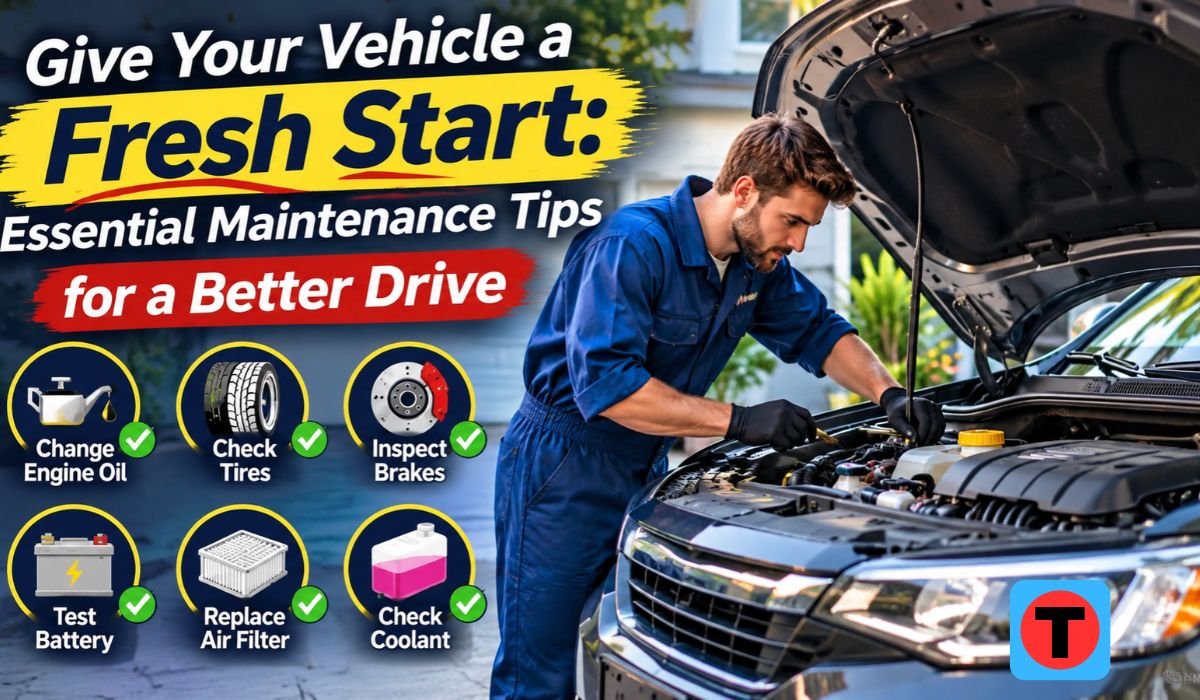
Every vehicle deserves proper care, whether it’s a brand-new SUV, a dependable family car, or a truck that has been on the road for years. Daily driving, changing temperatures, rough roads, and normal wear gradually affect how your vehicle performs. Fortunately, keeping it in good condition doesn’t have to be complicated or expensive.
When you Give Your Vehicle a Fresh Start, you’re investing in its safety, reliability, comfort, and long-term performance. From replacing worn tires and checking brakes to changing engine oil and exploring seasonal service deals, a few smart maintenance decisions can make a meaningful difference.
In 2026, vehicle owners can also explore Chevrolet’s seasonal tire promotions and maintenance rebates to reduce servicing expenses. This guide explains everything you need to know to keep your vehicle ready for the road.
Quick Vehicle Maintenance Information
| Category | Information |
|---|---|
| Primary Goal | Vehicle Safety and Reliability |
| Maintenance Approach | Preventive Vehicle Care |
| Tire Pressure Check | At Least Once a Month |
| Minimum Safe Tire Tread | Above 2/32 Inch |
| Tire Rotation | According to Manufacturer Guidance |
| Engine Oil Change | Based on Vehicle Maintenance Schedule |
| Battery Inspection | Regularly and Before Extreme Weather |
| Brake Inspection | Periodically and When Warning Signs Appear |
| Coolant Maintenance | According to the Owner’s Manual |
| Tire Monitoring System | TPMS |
| Featured Tire Promotion | Chevrolet Fresh Start Tire Event |
| Promotional Tire Deal | Buy Three Select Tires, Get One for $1 |
| 2026 Combined Service Rebates | Up to $240 |
| Alternative Rewards | Up to 24,000 GM Rewards Points |
| Fall 2026 Tire Promotion Ends | November 30, 2026 |
| Service Availability | Participating U.S. Dealerships |
| Recommended Service Provider | Qualified Automotive Technicians |
| Best Maintenance Reference | Vehicle Owner’s Manual |
What Does It Mean to Give Your Vehicle a Fresh Start?
Giving your vehicle a fresh start means taking a proactive approach to its overall condition instead of waiting for something to break. It involves inspecting important systems, replacing worn components, completing overdue services, and addressing minor problems before they become expensive repairs. A fresh start doesn’t necessarily require a complete vehicle overhaul. Sometimes, properly inflated tires, fresh engine oil, reliable brakes, and a clean interior are enough to noticeably improve your driving experience. The goal is to understand what your vehicle needs and create a maintenance routine that suits its age, mileage, and everyday use.
Why Regular Vehicle Maintenance Matters
Preventive Vehicle Maintenance plays an important role in keeping your car dependable. Neglected components can gradually affect fuel consumption, handling, braking, and overall performance. For example, underinflated tires can increase rolling resistance, while worn brake components may compromise stopping ability. Following the manufacturer’s service schedule helps identify these problems early. A documented maintenance history may also improve your vehicle’s appeal to future buyers. Rather than treating car maintenance as an occasional expense, think of it as a practical way to protect an investment you depend on every day.
Create an Essential Car Maintenance Checklist
A well-organized Car Maintenance Checklist makes it easier to stay ahead of problems. Begin by reviewing your owner’s manual and previous service records to identify overdue maintenance. Pay particular attention to tires, brakes, engine oil, coolant, battery condition, lights, windshield wipers, and air filters. A professional Multi-Point Vehicle Inspection can help uncover problems that aren’t immediately visible. Modern vehicles may also provide service reminders and diagnostic notifications through connected smartphone applications. Combining these digital tools with regular physical inspections can make vehicle care more convenient and effective.
Give Your Vehicle a Fresh Start with New Tires
Tires are your vehicle’s only direct contact with the road, making their condition extremely important. Worn or damaged tires can reduce traction, particularly during rain or challenging driving conditions.
The National Highway Traffic Safety Administration recommends checking tire pressure monthly and replacing tires when their tread reaches 2/32 of an inch. Visible bulges, deep cracks, exposed cords, and persistent pressure loss also require attention.
NHTSA
When purchasing replacement tires, consider your vehicle’s recommended tire size, load rating, local climate, and driving habits. Choosing compatible tires is more important than simply selecting the cheapest available option.
Chevrolet Fresh Start Tire Event 2026
The Chevrolet Fresh Start Tire Event provides an opportunity for eligible customers to reduce tire replacement expenses. Chevrolet’s spring 2025 campaign ran from April 1 through June 10, 2025, and featured a special deal across selected tire brands.
Chevrolet has continued offering similar promotions in 2026. Its fall tire campaign, advertised through November 30, 2026, allows customers to purchase three qualifying tires and receive the fourth for $1 with installation at participating U.S. GM dealerships.
The offer has a maximum qualifying consumer purchase price of $450 per tire. Additional taxes and fees may apply, and customers should confirm eligibility and availability before booking an appointment.
Chevrolet Certified Service+1
Eligible Tire Brands and Potential Savings
Previous Chevrolet tire promotions featured several established brands, including Bridgestone, Continental, Dunlop, Firestone, General Tire, Goodyear, Hankook, Kelly, Michelin, Pirelli, and Uniroyal. However, qualifying brands and tire models can change between promotional periods.
For perspective, if four qualifying tires normally cost $200 each, purchasing three and receiving the fourth for $1 would reduce the tire merchandise cost from $800 to $601. That’s a potential saving of $199 before installation, taxes, and other charges.
Always request a complete written estimate so you can compare the actual cost with other available Chevrolet Tire Deals.
Explore Additional Service Rebates
Tire replacement isn’t the only opportunity to save money. Chevrolet’s 2026 Certified Service promotions have advertised combined rebates of up to $240 on qualifying replacement parts.
| Eligible Service | Maximum Rebate |
|---|---|
| Brake Pads | $60 |
| Brake Rotors | $60 |
| Shocks and Struts | $80 |
| TPMS Sensors | $40 |
| Total Potential Rebates | $240 |
Eligible customers may also have the option of receiving up to 24,000 GM Rewards Points instead. Specific purchase requirements, installation conditions, claim deadlines, and rebate restrictions apply.
Chevrolet Certified Service+1
These offers are particularly useful when your vehicle already needs the qualifying services.
Inspect Your Brakes for Safer Driving
A dependable braking system is essential for everyday safety. Grinding sounds, unusual squealing, vibration while braking, or noticeable changes in stopping performance may indicate that your brakes need professional attention. Brake pads naturally wear through regular use, while rotors and other components may also require servicing over time. A qualified technician can measure component wear and recommend necessary repairs. If your brakes suddenly become ineffective or the pedal feels unusually soft, stop driving safely and arrange professional assistance. Timely Brake Maintenance helps protect both your vehicle and everyone sharing the road.
Refresh Your Engine with an Oil Change
Engine oil lubricates moving components, helps manage heat, and reduces friction inside gasoline and diesel engines. Over time, oil deteriorates and becomes less effective, making replacement necessary. Instead of relying on a universal oil change interval, follow your vehicle’s recommended maintenance schedule or Oil Life Monitoring System where available. Chevrolet’s general maintenance guidance references 7,500-mile intervals for certain services, although individual vehicle requirements differ.
Chevrolet
Using the correct oil specification and replacing the oil filter when required can help protect your engine. Fully electric vehicles do not require conventional engine oil changes.
Check Your Battery and Electrical System
A weakening battery can leave you stranded at the most inconvenient moment. Slow engine starts, recurring electrical problems, or difficulty starting after the vehicle has been parked may indicate battery or charging-system trouble. Extreme temperatures can place additional stress on batteries, making seasonal inspections particularly useful. During routine servicing, ask a technician to check battery health, terminals, and charging performance. It’s also worth inspecting headlights, indicators, brake lights, and other essential electrical components. Even electric vehicles have electrical systems that require appropriate maintenance and inspection.
Maintain Your Cooling System and Fluids
Your vehicle’s fluids perform several important functions, from protecting mechanical components to controlling engine temperature. Engine coolant helps prevent overheating, while transmission fluid and brake fluid support their respective systems. Windshield washer fluid improves visibility, and some vehicles also require hydraulic power steering fluid. Fluid replacement schedules vary depending on vehicle design and manufacturer recommendations. Avoid opening a hot cooling system, mixing incompatible fluids, or ignoring unexplained leaks. A professional inspection can help determine whether coolant replacement, fluid servicing, or other repairs are necessary.
Improve Comfort with Suspension and Wheel Care
A comfortable driving experience depends partly on healthy suspension components and correctly maintained wheels. Shocks and struts help manage vehicle movement, while proper wheel alignment supports predictable handling and more consistent tire wear. If your vehicle pulls to one side, vibrates at certain speeds, or bounces excessively over uneven surfaces, arrange an inspection. Regular tire rotation can help distribute wear more evenly when performed according to the manufacturer’s instructions. Proper wheel balancing may also reduce vibration. Together, these services can improve driving comfort and help protect your investment in replacement tires.
Refresh Your Vehicle Inside and Out
Giving your vehicle a fresh start also means making it a cleaner and more pleasant place to spend time. Regular washing removes accumulated dirt, road salt, and other contaminants that may damage exterior surfaces. Cleaning the windows and mirrors improves visibility, while replacing damaged windshield wipers helps you prepare for rainy weather. Inside the vehicle, vacuuming carpets, cleaning surfaces, and removing unnecessary belongings can make everyday journeys more comfortable. A properly maintained cabin air filter also supports interior air quality. These simple tasks don’t require major spending but can make an older vehicle feel noticeably fresher.
Follow a Seasonal Vehicle Maintenance Routine
Each season presents different challenges for drivers. Spring is an opportunity to inspect tires, brakes, and damage caused by winter driving. Summer maintenance should focus on cooling systems, air conditioning, and tire condition. Fall is an ideal time to check batteries, lights, and windshield wipers before colder weather arrives. During winter, appropriate tires, coolant protection, and reliable visibility become particularly important. The NHTSA also recommends preparing your vehicle for seasonal road conditions and checking tire pressure as temperatures change.
NHTSA+1
Adjusting your maintenance routine to local weather can help reduce unexpected problems.
Save Money and Choose a Reliable Service Center
Smart Car Maintenance Savings begin with completing necessary services at the right time. Comparing written estimates, checking manufacturer rebates, maintaining accurate service records, and addressing small problems early can help control ownership costs.
Basic tasks such as checking tire pressure, inspecting lights, and refilling washer fluid can often be completed at home. More complicated repairs involving brakes, suspension, electrical faults, and high-voltage EV systems require appropriate expertise. Choose a service center with qualified technicians, transparent pricing, suitable equipment, and clear warranty policies. Chevrolet Certified Service and other reputable automotive repair providers can help you develop a maintenance plan tailored to your vehicle.
Final Thoughts
When you Give Your Vehicle a Fresh Start, you’re doing much more than improving its appearance. You’re taking practical steps toward safer journeys, dependable performance, and better long-term vehicle care.
Regular inspections, timely repairs, quality replacement tires, and manufacturer-recommended servicing can make a significant difference. Seasonal promotions, such as the Chevrolet Fresh Start Tire Event, may also help reduce necessary maintenance expenses.
The best approach is to understand your vehicle’s needs, prioritize safety, and build consistent maintenance habits. A little attention today could help prevent costly problems tomorrow.
FAQs About Giving Your Vehicle a Fresh Start
What Does It Mean to Give Your Vehicle a Fresh Start?
It means refreshing your vehicle through necessary maintenance, inspections, cleaning, and repairs to support its safety, reliability, appearance, and overall driving performance.
What Is the Chevrolet Fresh Start Tire Event?
It is a promotional campaign offering discounts on selected tires and qualifying automotive maintenance services through participating Chevrolet and GM dealerships.
When Does the Chevrolet Tire Event End in 2026?
Chevrolet’s advertised fall 2026 tire promotion ends on November 30, 2026. Customers should confirm local availability, installation requirements, and eligibility before making a purchase.
How Often Should I Service My Vehicle?
Service intervals depend on your vehicle’s age, mileage, engine type, and operating conditions. Follow the maintenance schedule in your owner’s manual rather than assuming every vehicle requires identical servicing.
How Can I Tell If My Vehicle Needs New Tires?
Excessive tread wear, visible damage, bulges, recurring air loss, and unusual vibration may indicate that your tires require inspection or replacement.
Can Regular Maintenance Save Money?
Yes. Preventive maintenance can help identify minor problems before they develop into expensive repairs. It may also support fuel efficiency and extend the useful life of certain vehicle components.
Is Professional Vehicle Servicing Worth It?
Professional servicing is valuable for tasks requiring specialized tools, technical knowledge, and safety inspections. Qualified technicians can identify hidden problems and recommend repairs appropriate for your vehicle.
Learn more and explore exciting content on: Transjoaimo: What It Is, Services, Location, and Company Details









Leave a Reply