
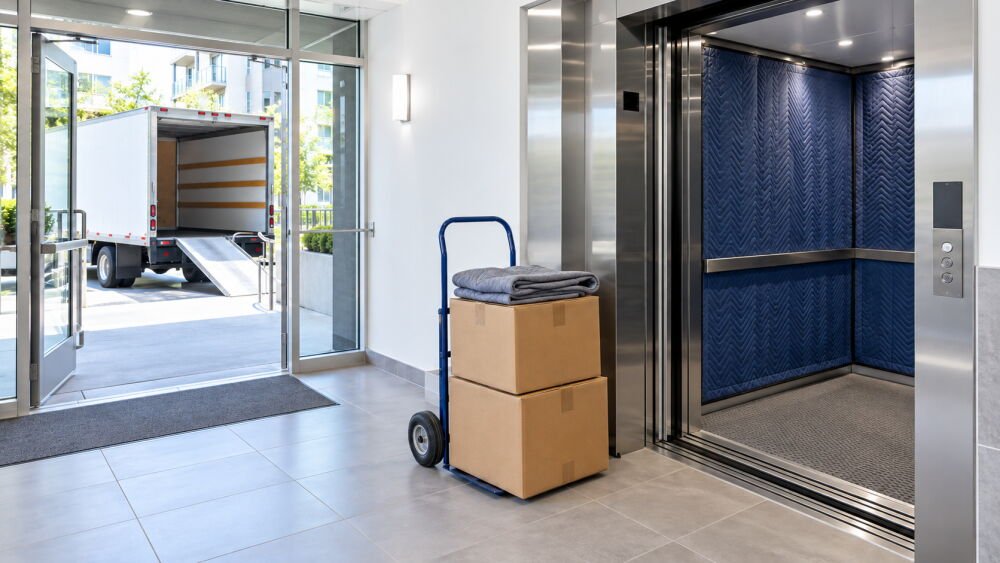
Cardboard boxes and bubble wrap get a lot of attention before a move, but access is what keeps moving day on schedule. Where the truck can park, how wide the stair turns are, and whether a freight elevator is available will determine how quickly and safely your belongings travel from one address to the other. A bit of upfront work to map those choke points pays off in fewer dents, fewer surprises, and fewer hours on the clock. This article focuses on the practical steps that make the difference: scouting parking and truck clearance, measuring doorways and stair runs, sequencing the load, protecting floors and walls, and coordinating with buildings and neighbors.
Identify Access Constraints at Both Addresses Early
A quick site walk beats guesswork. At each address, look for truck access and loading options, including curb space, driveway slope, low branches or wires, and carport or garage height. In dense areas, ask your municipality about a temporary loading zone or parking permit. For multi-unit buildings, speak with management about freight elevator reservations, elevator padding, required certificates of insurance, and designated move-in hours. A local professional, such as a Hickory moving company, can also advise on truck sizes that fit your street and the best time windows to avoid bottlenecks.
Two common failure points are elevator conflicts and long carries. If a freight elevator is double-booked, crews wait, and costs rise. If the truck must park half a block away, every item travels farther, increasing fatigue and the risk of scrapes. Solving these in advance is usually cheaper than improvising: secure the elevator slot in writing, use cones and signage to hold a reserved loading area when allowed, and, where space is tight, consider a smaller box truck or a shuttle van for the first and last 100 feet rather than forcing a large vehicle into a bad position.
Measure What Matters: Doorways, Stair Runs, and Elevator Cabs
A tape measure is the best protection against jammed furniture and gouged drywall. Note the width and height of doorways, the diagonal of stair turns, the clear span of landings, and the interior dimensions of any elevator cab. Compare those to your bulkiest pieces: sectional sofas, king headboards, dressers, and refrigerators. Measurements determine whether you must remove a sofa’s legs, take a door off its hinges, or split a queen box spring. If an elevator is short but deep, tilting a bookcase on its edge might work; if a stair switchback is tight, carrying tall pieces on their side with a four-wheel dolly or shoulder straps may be safer.
Plan your protection and tools to match the path. Door jamb guards prevent nicks at narrow entries, corner protectors shield drywall on tight turns, and stair runners reduce slips on painted treads. Have zip-top bags and labels ready for hardware when you disassemble bed frames or table legs, and wrap detached parts in moving blankets or shrink wrap so nothing is misplaced between floors. These small steps shorten carry time because crews don’t stop mid-flight to improvise.
Sequence the Load and Reserve the Time Window
Sequencing reduces backtracking. Stage items closest to the exit that load in the truck nose first: heavy appliances, solid wood dressers, and boxed books set the base. Sofas and mattresses ride along the truck walls, cushioned with furniture pads, with tie-down straps preventing shifting. Load your “open first” bin, tool kit, and bedding last so they are first off at the new address. Color code boxes by room with tape on two adjacent sides and the top, and tape matching room signs at the destination so each handoff is a single decision: follow the color to the right door.
Reserve elevators and plan your crew flows around those windows. For example, in a mid-rise that offers elevator access from 9 a.m. to noon, prioritize large items and carts. In contrast, use the elevator while it’s available, then switch to hand-carrying light boxes after the window closes. In a third-floor walk-up with a tight switchback, load the wide dresser and sofa before the stairwell gets crowded, and carry table leaves and mirror glass separately in padded mirror boxes to reduce width. The more your sequence matches the building’s constraints, the smoother the move runs.
Protect the Property: Floors, Walls, and Weather
Access planning is not complete without surface protection. Lay non-slip floor runners from the threshold to the truck path and add rigid protection like thin fiberboard in long hallways that see rolling dollies. Wrap banisters with moving blankets and secure door pads at the unit entry. Elevator interiors should be padded with moving quilts or building-provided covers before the first load, and the elevator threshold bridged with a small plate or ramp to protect metal tracks from cart wheels.
Weather changes your plan. In rain, add mattress bags and plastic wrap to keep fabric dry, set a staging mat for wet shoes, and keep spare towels handy at the threshold. In heat, bring water and rotate crews to avoid fatigue on long carries; tired hands drop things. In winter, salt outdoor steps to reduce slips, and protect hardwoods with waterproof runners so meltwater does not soak into seams. A simple kit of shrink wrap, furniture pads, neoprene floor protection, and boot covers goes a long way.
Coordinate With Buildings and Neighbors Ahead of Time
Good communication prevents access surprises. Confirm move hours with property managers, ask whether a certificate of insurance is required, and request elevator keys or padlocks if used. In small buildings, post a polite notice a day in advance so neighbors know when hallways will be busy, and leave room at mailboxes and trash rooms so essential services aren’t blocked. Where legal, place cones with a printed permit to hold curb space; where not, have a backup: a second person arrives early to monitor the spot while the truck approaches.
Two scenarios illustrate the value. In a downtown high-rise, a contractor unexpectedly occupies the freight elevator when your slot begins. Instead of idling, crews can start shuttling labeled boxes to a staging area with hand trucks while you negotiate a revised time window. In a suburban townhouse community with narrow lanes, a large truck cannot turn without hitting a curb. Choosing a smaller truck or running a quick shuttle with a cargo van adds trips but eliminates the risk of property damage and may finish faster than wrestling a rigged solution. Every plan has trade-offs; pick the one that prioritizes safe, direct movement over raw capacity.
Access work may not be glamorous, but it is the lever that keeps a move efficient, safe, and predictable. Walk both properties with a measuring tape, decide where the truck can actually sit, reserve the elevator, and set out floor protection before the first box moves. Sequence heavy items early, label rooms clearly, and keep a small toolkit and hardware bags handy for quick disassembly. When neighbors and building staff know the plan, bottlenecks shrink. The result is simple: fewer delays, fewer dings, and a moving day that feels organized, not improvised.














Leave a Reply