
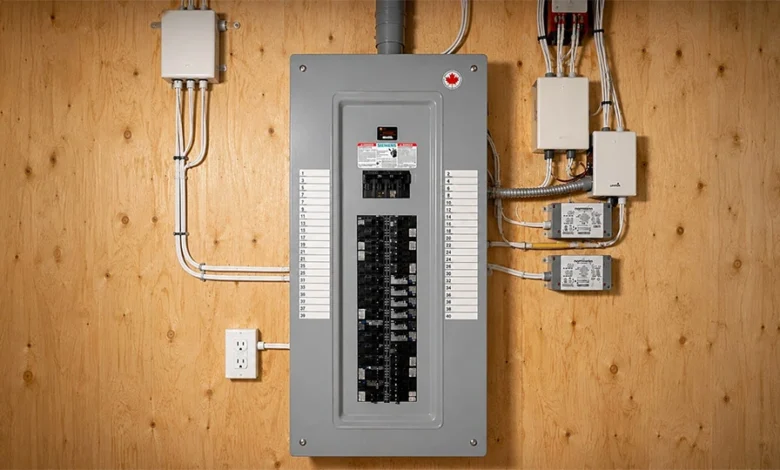
Many homeowners discover their electrical panel is full just as they plan a kitchen remodel, add a workshop, or consider an EV charger. At that point, two paths usually appear: add a subpanel or replace the main panel with a higher amperage service and more breaker spaces. The right move depends on available capacity, the number and type of circuits you need, how your grounding and bonding are set up, and which safety devices your home requires. This guide explains what each option changes, how load calculations clarify the decision, and what real-world scenarios look like so you can plan confidently and safely.
What a Main Panel Upgrade Actually Changes
Upgrading the main service panel increases the amperage available to the entire home, often moving from a smaller service to one with more spaces and a higher bus rating. The work typically includes a new main breaker, a modern load center, updated service-entrance conductors, and a reviewed grounding electrode system, and the utility may coordinate a temporary shutoff. If you need help evaluating this path, it is worth speaking with a licensed Electrician in Lansdowne who can assess service size, conductor condition, and panel compatibility with today’s AFCI and GFCI protection.
The trade-off is disruption versus headroom. A service upgrade can require permits, coordination with the power company, and a full-day outage. Still, it delivers long-term capacity for high-demand loads like heat pumps, induction ranges, and Level 2 EV chargers. A new panel can also simplify adding a whole-home surge protector at the service equipment and provide extra breaker spaces for dedicated 20-amp small-appliance circuits, laundry circuits, and future projects without resorting to tandem breakers.
When a Subpanel Makes More Sense
If your service amperage is adequate but the existing panel is out of spaces, a subpanel can expand capacity locally. An electrician installs a feeder breaker in the main panel, runs a four-wire feeder (two hots, neutral, equipment grounding conductor) sized for the load, and lands it on the subpanel lugs. The subpanel sits near the area of need, such as a garage or basement workshop, and serves new circuits like 240 volt tools, lighting, or additional countertop receptacles.
Subpanels bring precise rules that matter. The neutral bus in a subpanel must be isolated from the can, while the ground bus is bonded to the enclosure. Installing the green bonding screw in a subpanel is a common mistake that can create parallel neutral paths. Other pitfalls include double-lugging neutrals under a single terminal or undersizing the feeder conductors. In detached structures, a four-wire feeder and proper grounding electrodes are required. Done correctly, a subpanel offers flexibility without changing the main service.
How Load Calculations Guide the Decision
Before choosing, a load calculation helps determine whether your service can handle the added demand. This tally considers general lighting loads by square footage, small appliance and laundry circuits, and the nameplate ratings of appliances like electric ranges, dryers, water heaters, and heat pumps. Continuous loads like EV charging are treated differently from intermittent ones, and demand factors can reduce the calculated total based on typical usage patterns. If the result pushes your service near its limit, a full service upgrade usually beats adding a subpanel that just adds breakers without new headroom.
Field signs can also flag capacity concerns. Frequent trips of 20-amp kitchen circuits, dimming lights when a large motor starts, or a panel that feels warm under normal load warrant scrutiny. Nuisance trips can also stem from sensitive AFCI or GFCI breakers reacting to wiring conditions or connected devices, not just overloads. A professional evaluation combines load-calc numbers with on-site symptoms to choose the safer, more durable solution.
Safety Details That Tip the Scale
Modern protection influences the decision. GFCI is required in wet locations like bathrooms, kitchens, garages, and outdoors. AFCI helps protect against arc faults on many living-area circuits. Some older panels don’t accept modern combination AFCI breakers, and compatible breakers can be expensive or hard to source. Upgrading the main panel can improve compatibility and simplify protection. In other homes, keeping the existing service equipment but feeding a new subpanel lets you install AFCI or dual-function breakers there, preserving safety while leaving the main untouched.
Grounding and surge protection also matter. The main service panel is the single point where neutrals and grounds are bonded. Every subpanel must keep neutrals and grounds separate to avoid stray current on metal parts. Install a whole-home surge protector at or near the service equipment to protect downstream branch circuits. If your current panel has no free spaces or knockouts for a surge device, a service upgrade can create clean mounting and wiring paths. After any project, accurate circuit labeling and torqueing lugs to manufacturer specs support long-term reliability.
Real World Scenarios: Kitchen Remodel vs. EV Charger
Kitchen remodel: You plan two or more 20 amp small appliance circuits for countertop receptacles, plus dedicated circuits for a microwave and dishwasher. Your calculation shows the overall service is fine, but your panel has no free spaces. A 60-amp subpanel near the kitchen run saves wire length, adds circuits for under-cabinet lighting and a disposal, and keeps neutrals isolated and grounds bonded per code in the subpanel. No need to replace the main service because the total load remains within margin.
EV charger: You want a 240-volt Level 2 charger drawing around 32 amps continuous on a 40- or 50-amp circuit. Your home also has an electric range, dryer, and a heat pump. The load calculation lands close to your current service rating. A main panel and service upgrade to a higher amperage provide room for the EV circuit and future additions like a heat pump water heater. In garages, many homeowners pair the upgrade with a small subpanel to serve the charger, air compressor, and dedicated tool receptacles neatly from a single feeder.
Choosing between a subpanel and a service upgrade starts with facts, not guesswork. Document appliance nameplates, count available panel spaces, note breaker sizes that frequently trip, and list upcoming loads like an EV charger or workshop tools. A load calculation clarifies whether you need more breaker spaces, more service capacity, or both. From there, details such as AFCI and GFCI compatibility, neutral-ground separation, and surge protection placement shape the final plan. The safest and most cost-effective result comes from pairing solid math with careful installation by a licensed electrician.
















Leave a Reply