
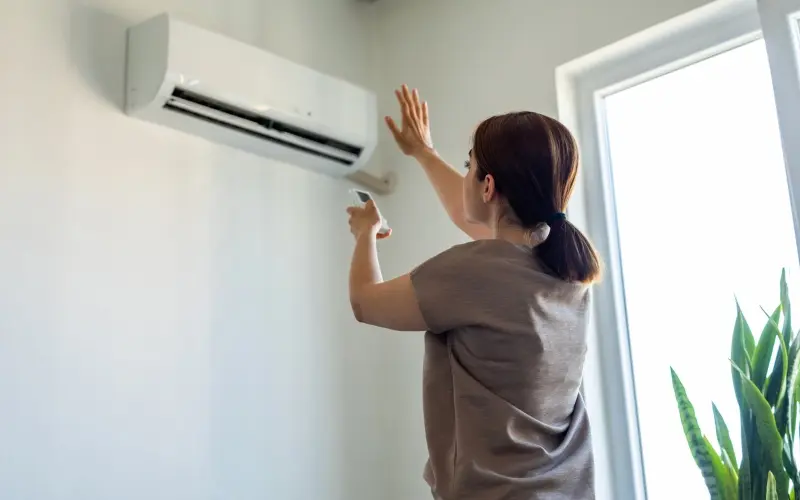
Poway’s dry heat, canyon dust, and hot attics can push air conditioners and heat pumps hard, especially during late afternoon peaks. When a system stumbles, the first clues often show up as small changes: a longer cool-down, a new rattle outdoors, or an unexpected puddle near the air handler. Recognizing what those symptoms usually point to helps you avoid bigger failures and protect equipment like the compressor, blower motor, and evaporator coil. This guide translates common signs into likely causes, outlines safe homeowner checks, and explains when to stop troubleshooting and call a licensed technician.
Professional diagnostics are essential for sealed refrigeration circuits and high-voltage parts, but informed observation speeds up the fix. If you are comparing service information specific to HVAC repair in Poway, use the context below as a field guide: what the noise, ice, or shutdown probably means, what you can check without tools, and why certain problems cannot wait. The goal is simple: reduce downtime on extremely hot days and avoid compounding damage to costly-to-replace components.
-
Early HVAC Symptoms That Matter During Poway Heat
Warm air from vents despite a low setpoint can signal heat-rejection trouble at the outdoor condenser, such as a dirty coil, a failing condenser fan, a refrigerant problem, or a reversing valve issue on a heat pump. Short cycling, where the system starts and stops within a few minutes, can point to restricted airflow from a clogged air filter, control problems, or system sizing issues. Ice on the refrigerant lines or evaporator coil suggests airflow or refrigerant performance issues. Continuing to run an iced system increases the risk of damage, so shut it down and arrange a professional diagnosis.
Two common real-world scenarios help illustrate the warning signs. Late in the afternoon, the outdoor unit may hum while the fan remains still and the indoor air feels only slightly cool. That pattern can indicate an electrical or motor-related problem, and a technician should evaluate it. In another case, supply airflow may grow weaker overnight while frost appears on the insulated suction line and the return grille starts whistling. A dirty filter, blocked return, or other airflow restriction may have raised static pressure and contributed to coil icing.
-
What Those Clues Usually Mean Inside the System
Symptoms often point to specific areas of the system. Ice on the refrigerant lines can be associated with restricted airflow from a clogged filter, blocked return, dirty evaporator coil, or blower problem. Refrigerant charge or metering device issues can produce similar symptoms, which is why you need pressure and temperature measurements before concluding.
A condenser that runs hot while the supply air remains lukewarm may struggle to reject heat because of a dirty outdoor coil, a fan problem, or a refrigerant issue. Buzzing without normal compressor operation can point to an electrical component or motor fault. These are high-voltage areas, and a qualified technician should test them.
Water near a furnace or air handler often comes from a condensate drainage problem. If a float switch repeatedly shuts the system down, it may be protecting the home from an overflowing drain pan. Persistent burning or acrid odors can indicate an electrical problem and should be treated seriously. Turn the system off and arrange service rather than continuing to operate it.
-
Safe Checks a Homeowner Can Make Before Scheduling Service
Start with airflow. Inspect the return filter for heavy loading, correct size, and proper orientation. Higher MERV filters can capture more smoke and fine dust but may also increase resistance if the duct system and blower are not designed for them. If airflow noticeably worsened after installing a denser filter, discuss the filter choice with a technician rather than repeatedly experimenting with restrictive media.
Verify that supply and return registers are open and not blocked by furniture, rugs, or stored items. Closing multiple registers can increase system pressure and reduce overall airflow.
Confirm the thermostat mode, setpoint, and fan setting. Auto is usually the most useful setting when trying to understand cycling behavior. Replace thermostat batteries if needed, and temporarily simplify unusual schedules if they make the system hard to evaluate.
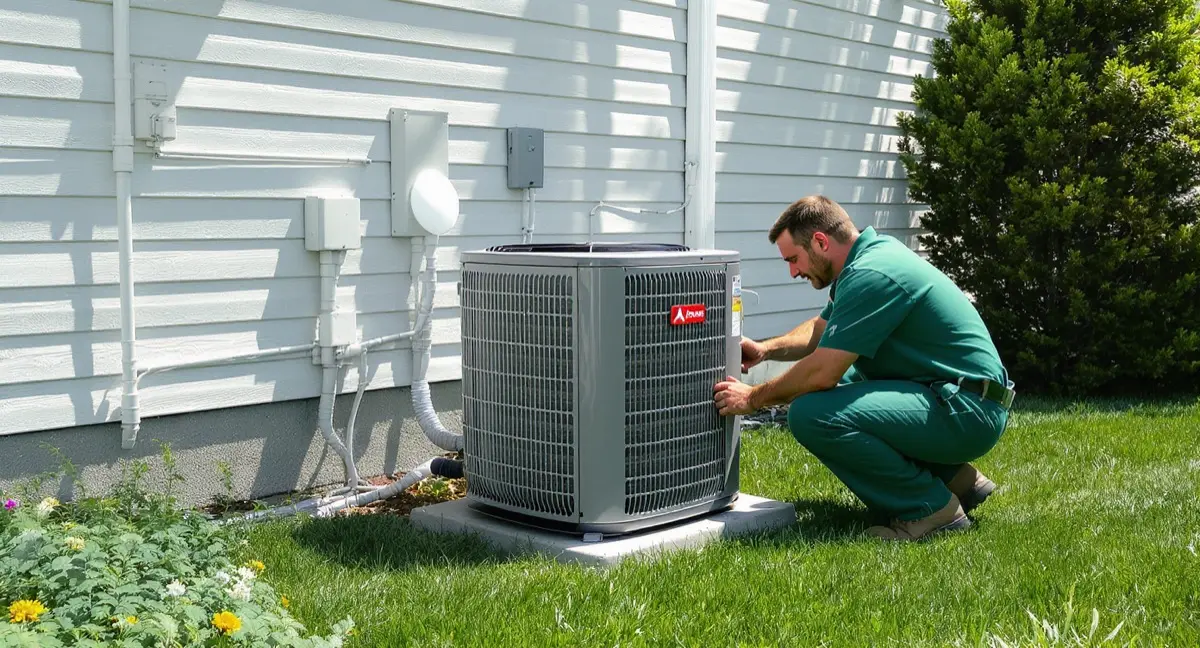
Outdoors, visually check that vegetation, leaves, and stored items are not blocking the condenser. Follow the manufacturer’s required clearance rather than relying on one universal distance.
If the manufacturer allows homeowner coil rinsing, use gentle water pressure and avoid pressure washers, which can bend delicate fins. Do not open electrical compartments or attempt to test capacitors, contactors, or wiring.
At the electrical panel, treat a breaker that trips again after one reset as a warning. Leave it off and arrange service rather than repeatedly resetting it.
If you notice water near the air handler, avoid opening sealed panels or working around electrical components. A visible drain outlet or accessible cleanout may offer clues, but persistent drainage problems are better handled professionally.
When Repair Cannot Wait and What Technicians Will Test
Shut the system down and call a licensed technician if you see significant ice on refrigerant lines, notice persistent burning odors, experience repeated breaker trips, lose airflow completely, or suspect a combustion problem on heating equipment.
Running an iced or electrically compromised system can worsen damage and increase repair costs. Gas odors or carbon monoxide alarms require immediate action, following local emergency guidance.
Technicians use measurements that go beyond visual inspection. For cooling complaints, they may evaluate refrigerant performance using manufacturer-approved procedures, including superheat and subcooling where appropriate. They may also inspect the outdoor fan, condenser coil, evaporator temperature performance, and airflow.
Electrical diagnostics can include capacitor testing, contactor evaluation, voltage checks, and current measurements on the compressor and blower motor. Airside testing may include static pressure readings and inspection for damaged, disconnected, or compressed ducts in the attic.
For water problems, the technician may clear the condensate system and verify that safety switches operate correctly.
If a refrigerant leak is suspected, proper leak detection should come before simply adding refrigerant. Repeatedly topping off a leaking system can turn into an ongoing expense without correcting the underlying problem.
Reducing Repeat Breakdowns in Poway’s Dry, Dusty Conditions
Poway’s canyon winds and occasional smoke can quickly load filters and condenser surfaces. Check the filter regularly during peak cooling periods and after dusty weather events. Replace it based on actual loading and manufacturer guidance, rather than waiting for severe restriction.
Balance filtration with airflow. A higher MERV filter removes finer particles only if the blower and ductwork can handle the added resistance. If airflow drops after switching to denser media, a deeper filter cabinet with more surface area may be a better option than forcing a restrictive one-inch filter into the existing rack.
Keep the outdoor unit clear of vegetation, debris, decorative materials, and solid covers that can restrict airflow during operation.
Professional maintenance can help identify developing issues such as dirty coils, weak electrical components, airflow restrictions, and abnormal refrigerant performance before they cause a complete shutdown.
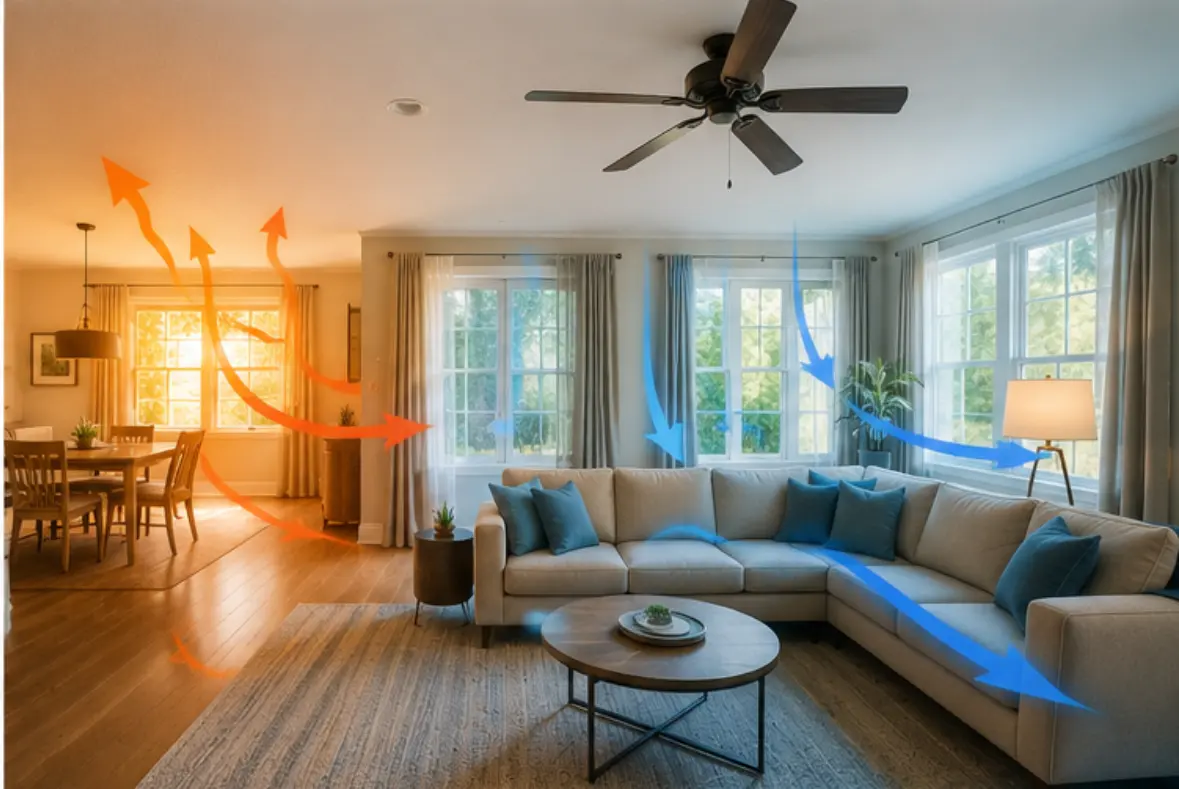
If certain rooms never cool properly, ask about duct leakage, return-air pathways, and flex-duct routing. Properly sealed joints and well-supported duct runs can reduce attic losses and improve room comfort.
Finally, avoid extreme thermostat setbacks that force the system into prolonged recovery during the hottest part of the day. Moderate temperature changes generally place less strain on the equipment.
Understanding what your system is telling you can reduce guesswork and help you respond earlier. A humming condenser with a still fan, frost on the suction line, or recurring water near the drain pan each points to a different area that needs attention.
Handle the safe checks: filter condition, thermostat settings, open registers, and outdoor clearance. Then let a licensed professional evaluate refrigerant performance, electrical components, condensate drainage, and duct pressure.
With Poway’s heat and dust, consistent attention between service visits can reduce the likelihood of breakdowns and make any necessary repair easier to diagnose.








Leave a Reply