
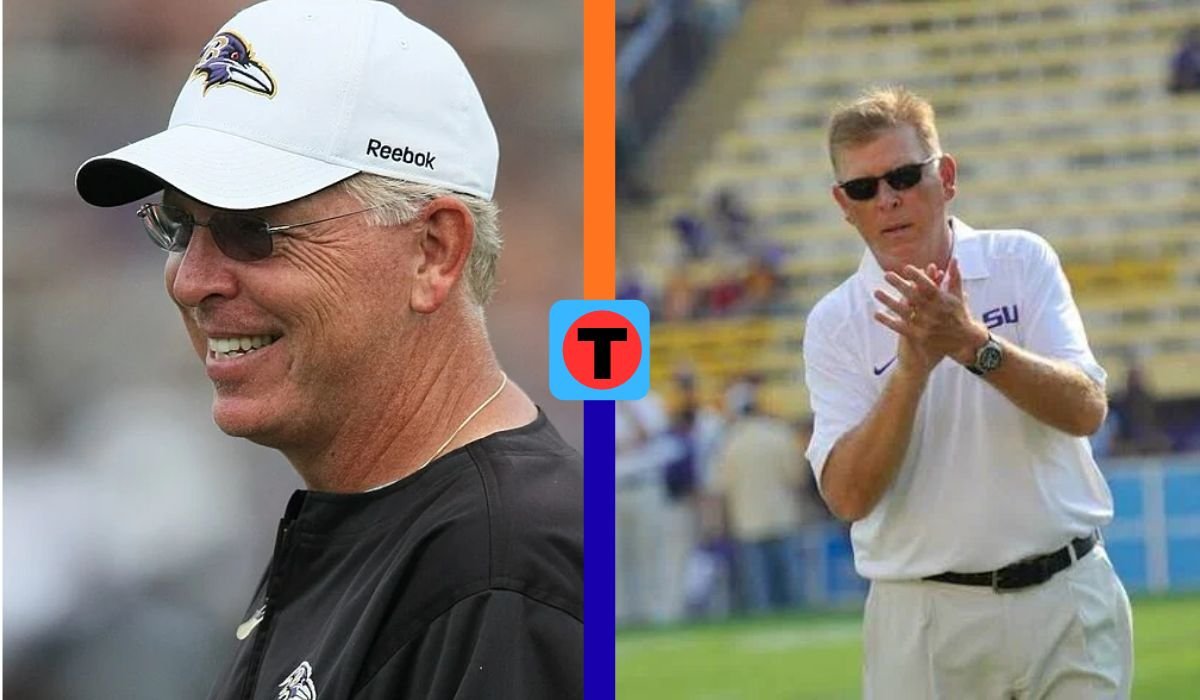
Cam Cameron is a well-known name in American football, especially among fans who remember the powerful offenses of the San Diego Chargers and Baltimore Ravens. Throughout his coaching career, he worked with talented quarterbacks, helped develop successful offensive systems, and experienced both remarkable achievements and difficult setbacks.
Born Malcolm Cameron, he built a career that connected college football with the National Football League. His journey included coaching at Michigan, leading Indiana University, serving as head coach of the Miami Dolphins, and coordinating offenses for several prominent football programs.
What makes Cam Cameron’s story interesting is the contrast between his success as an offensive coordinator and the challenges he faced as a head coach. His experience offers a valuable look at leadership, player development, and the unpredictable nature of professional football.
Who Is Cam Cameron?
Cam Cameron is a former American football coach best known for his work as an offensive coordinator in the NFL and college football. Born on February 6, 1961, in Chapel Hill, North Carolina, he developed an early passion for sports and eventually became a respected offensive coaching specialist. His career included important positions with the Washington Redskins, San Diego Chargers, Miami Dolphins, Baltimore Ravens, and LSU Tigers. Although his head coaching experiences were challenging, his ability to work with quarterbacks and coordinate productive offenses became an important part of his professional reputation. His coaching career also connected him with several accomplished football players, including Drew Brees, Philip Rivers, LaDainian Tomlinson, Joe Flacco, and Desmond Howard.
Cam Cameron Quick Bio Information
Full Name
Malcolm Cameron
Known As
Cam Cameron
Birth Date
February 6, 1961
Age in 2026
65 Years
Birthplace
Chapel Hill, North Carolina
Nationality
American
Height
6 Feet 2 Inches
Profession
Football Coach
College
Indiana University
Degree
Bachelor’s in Business
Graduation
1983
Playing Position
Quarterback
First Coaching Team
Michigan Wolverines
NFL Head Coaching Team
Miami Dolphins
College Head Coaching Team
Indiana Hoosiers
Chargers Role
Offensive Coordinator
Ravens Role
Offensive Coordinator
LSU Role
Offensive Coordinator
College Head Coach Record
18–37
NFL Head Coach Record
1–15
Cam Cameron’s Early Life And Family Background
Cam Cameron was born in North Carolina but developed much of his athletic identity in Indiana. He attended Saint Patrick School before studying at Terre Haute South Vigo High School, where he became involved in competitive football and basketball. His early years were shaped by organized sports, demanding coaches, and the experience of competing at a high level. Although detailed information about his parents and childhood family life is not widely documented, his athletic achievements reveal an early commitment to teamwork and competition. These experiences later became relevant to his coaching career, particularly his understanding of player development and the importance of preparation.
High School Football Success And Athletic Achievements
During his time at Terre Haute South Vigo High School, Cameron established himself as a talented multi-sport athlete. He earned All-American recognition as a quarterback while also contributing to a successful basketball program. His basketball team reached the Indiana state finals in three consecutive seasons, demonstrating the competitive environment in which he developed. In 1979, Cameron received the Trester Award, which recognizes outstanding mental attitude in Indiana high school basketball. The award reflected qualities beyond physical ability, including sportsmanship and dedication. His experience in two sports gave him exposure to different coaching methods and helped prepare him for the demands of college athletics.
College Football Career At Indiana University
Cameron continued his athletic journey at Indiana University, where he played quarterback under football coach Lee Corso and participated in basketball under Bob Knight. Both coaches were influential figures in college sports, offering Cameron firsthand experience with demanding athletic programs. Unfortunately, a knee injury ended his playing career before he could pursue further opportunities on the field. Rather than leaving football behind, Cameron eventually moved toward coaching. He completed his bachelor’s degree in business in 1983 and was also a member of Kappa Sigma fraternity. His college experience combined athletic knowledge with academic preparation, providing a foundation for his future responsibilities in football.
How Cam Cameron Started His Coaching Career At Michigan
Cam Cameron began coaching at the University of Michigan in 1984, initially serving as a graduate assistant. Working under legendary coach Bo Schembechler gave him an opportunity to learn within one of college football’s most established programs. He later became a full-time assistant, working with quarterbacks and wide receivers. During his Michigan years, Cameron coached players who would eventually reach the NFL, including Jim Harbaugh, Elvis Grbac, Todd Collins, Amani Toomer, Derrick Alexander, and Heisman Trophy winner Desmond Howard. He also worked alongside future head coaches such as Lloyd Carr, Gary Moeller, and Les Miles. His decade at Michigan helped establish his coaching background and strengthened his understanding of offensive football.
Washington Redskins And His First NFL Coaching Opportunity
In 1994, Cameron entered professional football when he became quarterbacks coach for the Washington Redskins. He remained with the franchise through the 1996 season, working with quarterbacks who were developing their professional careers. Among them were Gus Frerotte and Trent Green, both of whom later earned Pro Bowl recognition. Frerotte was selected for the Pro Bowl following the 1996 season, while Green eventually enjoyed considerable success elsewhere in the league. Cameron’s responsibilities included helping quarterbacks prepare for games, understand offensive assignments, and improve their decision-making. This experience introduced him to the faster pace and greater complexity of NFL football.
Returning To Indiana University As Head Coach
Cameron returned to Indiana University in 1997 as head football coach, accepting the challenge of leading the program where he had previously played. Moving from assistant coach to head coach brought new responsibilities, including overall team performance, recruiting, staff management, and program development. His five seasons with the Hoosiers proved difficult, and Indiana struggled to establish consistent winning results. Cameron finished with an overall record of 18 wins and 37 losses before being dismissed following the 2001 season. Although the results fell short of expectations, the experience provided a different perspective on football leadership. It also demonstrated the significant differences between managing an entire program and concentrating on a particular offensive unit.
San Diego Chargers And His Greatest Offensive Success
One of the most successful periods of Cam Cameron’s NFL coaching career began in 2002 when he became offensive coordinator for the San Diego Chargers. Working under head coach Marty Schottenheimer, Cameron helped develop an offense featuring Drew Brees, Philip Rivers, LaDainian Tomlinson, and Antonio Gates. San Diego scored 446 points during the 2004 season, and Sports Illustrated recognized Cameron as its Offensive Assistant of the Year. The Chargers continued producing strong offensive performances, averaging 26.1 points per game in 2005. In 2006, the team scored a franchise-record 494 points, while Tomlinson set an NFL record with 31 touchdowns in a single season and earned league MVP honors. These achievements established Cameron as a prominent offensive coordinator and helped create opportunities for him to pursue another head coaching position.
Miami Dolphins And A Difficult Head Coaching Experience
In 2007, the Miami Dolphins hired Cameron as head coach following Nick Saban’s departure for the University of Alabama. Expectations were high, but the season quickly became one of the most challenging periods in Dolphins history. Miami lost its opening 13 games before finally defeating the Baltimore Ravens in overtime on December 16. That victory remained the team’s only win, leaving the Dolphins with a 1–15 record. Cameron faced criticism as the organization struggled with inconsistent performances and broader roster problems. On January 3, 2008, Miami dismissed him after just one season. His experience illustrated how difficult NFL head coaching can be, particularly when a team faces challenges across multiple areas.
Baltimore Ravens And The Super Bowl Connection
Cameron returned to offensive coordination in January 2008 when Baltimore Ravens head coach John Harbaugh hired him to lead the team’s offense. During his tenure, he worked with quarterback Joe Flacco and helped guide Baltimore through several competitive seasons. The Ravens regularly contended for playoff positions, although questions about offensive consistency occasionally surrounded the team. In December 2012, with Baltimore holding a 9–4 record, Cameron was dismissed and replaced by Jim Caldwell. The Ravens later won Super Bowl XLVII against the San Francisco 49ers. Although Cameron was not coaching during the championship game, Harbaugh publicly acknowledged his contribution to the team’s season and said he deserved a Super Bowl ring. His connection to that championship remains a notable part of his career.
LSU Tigers And His Return To College Football
After leaving Baltimore, Cameron returned to college football in February 2013 when Louisiana State University appointed him offensive coordinator. The position reunited him with head coach Les Miles, whom he had known from their Michigan coaching days. Cameron’s first LSU season featured improved offensive production and strong performances from quarterback Zach Mettenberger. In 2013, LSU averaged approximately 37 points per game, while Mettenberger completed 64.9 percent of his passes and recorded 22 touchdowns against eight interceptions. Cameron continued working with LSU’s offense until September 2016, when Miles was dismissed following a disappointing start to the season. Cameron also departed, and Steve Ensminger assumed offensive coordinator responsibilities.
Cam Cameron’s Coaching Philosophy And Quarterback Development
Throughout his career, Cameron worked with offensive systems that required coordination between quarterbacks, running backs, receivers, and offensive linemen. His San Diego teams demonstrated the value of combining an effective rushing attack with productive passing options. Working with Tomlinson, Gates, Brees, and Rivers required an offense capable of using different player strengths. At Baltimore, Cameron helped guide Flacco during the early stages of his professional career, while his LSU work included developing Mettenberger’s passing production. These examples show the variety of offensive environments in which Cameron coached. His experience also highlights an important football principle: successful offensive coordination depends on personnel, preparation, execution, and adjustments rather than a single strategy.
Cam Cameron’s Career Achievements And Coaching Record
Cameron’s career includes impressive offensive achievements alongside disappointing head coaching results. His college head coaching record at Indiana was 18–37, while his only NFL head coaching season ended 1–15 with Miami. However, those records do not fully represent his work as an offensive coordinator. San Diego’s scoring success, his recognition from Sports Illustrated, and his involvement with Baltimore’s competitive teams provide a broader understanding of his professional contributions. He also worked with numerous future Pro Bowl players and participated in coaching programs across several decades. Evaluating his career fairly requires recognizing the distinction between head coaching responsibilities and the specialized role of developing an offense.
Cam Cameron’s Personal Life, Net Worth, And Current Status
Unlike many high-profile NFL personalities, Cameron has maintained a relatively private personal life. Reliable public information about his wife, children, and family circumstances is limited in the biographical material available here. Similarly, a verified Cam Cameron net worth figure has not been established, and online estimates should not be treated as confirmed financial facts. His coaching positions likely involved different compensation arrangements, but exact career earnings cannot be calculated without dependable contract information. As of 2026, his LSU position remains the latest coaching appointment documented in the supplied career history, which ended in 2016. Any claims about his current employment, retirement, or activities would require more recent verification.
Cam Cameron’s Lasting Legacy In American Football
Cam Cameron’s football legacy is best understood through the range of experiences that shaped his coaching career. He worked under established college coaches, developed future NFL players, coordinated high-scoring professional offenses, and experienced the pressures of leading struggling teams. His time with the Chargers stands out as a particularly successful chapter, while his association with Baltimore’s Super Bowl season adds another important connection to NFL history. His work at LSU also demonstrated his continued involvement in quarterback development after leaving professional football. Although his head coaching record was modest, his broader career shows how offensive assistants can make meaningful contributions even when their opportunities as head coaches do not produce similar results.
FAQs About Cam Cameron
Who Is Cam Cameron?
Cam Cameron is a former American football coach who worked in college football and the NFL. He is best known for his offensive coordinator positions with the San Diego Chargers and Baltimore Ravens, along with his head coaching experience at Indiana University and the Miami Dolphins.
How Old Is Cam Cameron In 2026?
Cam Cameron is 65 years old in 2026. He was born on February 6, 1961, in Chapel Hill, North Carolina. He developed his athletic career in Indiana before attending Indiana University and eventually becoming a football coach.
Which NFL Teams Did Cam Cameron Coach?
Cam Cameron worked with the Washington Redskins, San Diego Chargers, Miami Dolphins, and Baltimore Ravens. His responsibilities varied between quarterbacks coach, offensive coordinator, and head coach. His most successful offensive coordinator tenure was with San Diego.
Why Did Cam Cameron Leave The Miami Dolphins?
The Miami Dolphins dismissed Cameron in January 2008 after the team finished the 2007 NFL season with a 1–15 record. It was his only season as Miami’s head coach, and the disappointing results led the organization to make coaching changes.
Did Cam Cameron Win A Super Bowl Ring?
Cam Cameron contributed to the Baltimore Ravens during the 2012 season but was dismissed before their Super Bowl XLVII victory. John Harbaugh publicly stated that Cameron deserved a championship ring because of his contributions earlier in the season.
What Was Cam Cameron’s Coaching Record?
Cameron recorded 18 wins and 37 losses as Indiana University’s head coach between 1997 and 2001. His NFL head coaching record was one win and 15 losses with the Miami Dolphins in 2007. These figures exclude his work as an assistant and offensive coordinator.
Where Is Cam Cameron Now?
Cam Cameron’s most recent coaching position documented in the supplied biography was offensive coordinator and quarterbacks coach at LSU, which ended in September 2016. His professional activities in 2026 are not independently confirmed by that information.
Final Thoughts
Cam Cameron’s journey through American football is a story of opportunity, achievement, resilience, and professional challenges. From his early days as a college athlete to his work with some of the NFL’s most talented offensive players, he built a career spanning different teams, coaching responsibilities, and competitive environments.
His success with the San Diego Chargers demonstrated his offensive coaching abilities, while his experiences at Indiana and Miami revealed the difficulties of leading an entire team. His years with Baltimore and LSU added further depth to his professional background.
Ultimately, Cam Cameron’s legacy extends beyond wins and losses. His career illustrates the important role offensive coordinators play in developing players, shaping team performance, and supporting the success of football organizations.
Learn more and explore exciting content on: Ron Jaworski: The Inspiring Story of an NFL Legend and Eagles Icon











Leave a Reply