
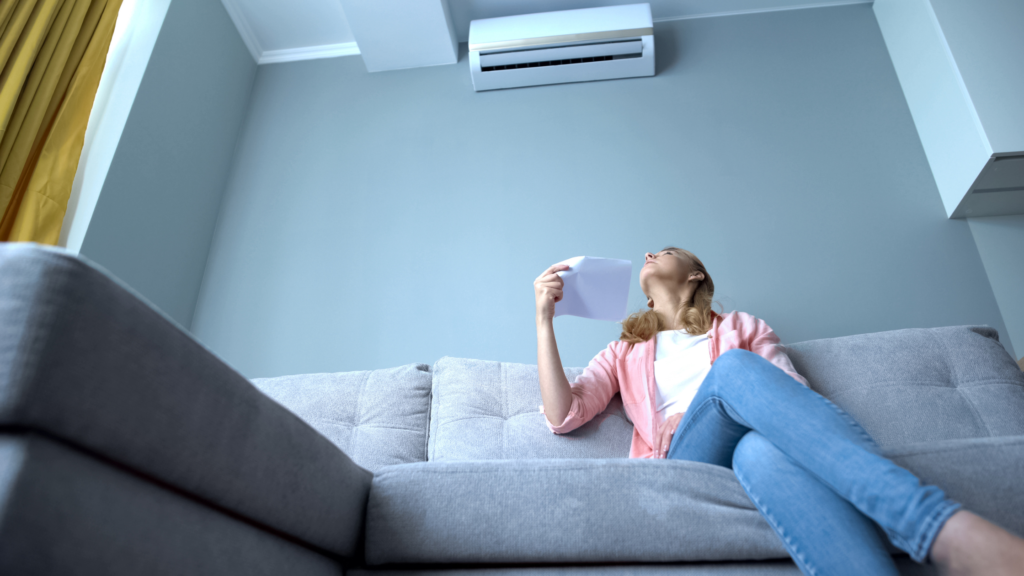
North Texas heat can quickly expose weak points in an air conditioner. If your thermostat is set correctly but rooms still feel stuffy, or the unit keeps cycling on and off, your system is sending signals. Learning to read those clues helps you decide what to try at home, when to power down to prevent damage, and what to tell a technician so the fix is faster. This guide explains common symptoms, likely causes, safe checks you can perform, and simple steps to reduce repeat breakdowns in the Caddo Mills climate.
What Short Cycling, Warm Air, and Ice Actually Tell You
If the outdoor condenser starts and stops every few minutes, that short cycling can point to airflow restrictions, a failing run capacitor, or an oversized unit struggling with humidity. A steady hum from the condenser with no compressor start suggests the capacitor cannot give the motor the jolt it needs. Warm air at vents with the blower running may indicate a refrigerant issue, a dirty evaporator coil, or a heat pump stuck in the wrong mode.
Ice on the suction line or frost on the indoor evaporator coil usually means the coil is too cold because airflow is blocked or refrigerant is low. Water near the air handler or in the attic can signal a clogged condensate drain or a tripped float switch. If these signs appear during a heat wave, prompt attention can help protect the compressor. When a fix goes beyond basic checks, local service is available for Air conditioning repair in Caddo Mills during peak cooling season.
Common Causes in Extreme Heat: Airflow, Refrigerant, and Electrical Parts
Airflow restrictions are frequent culprits. A clogged return filter increases static pressure, starving the evaporator coil of warm air. The coil then drops below freezing and ice up, further choking airflow until the system shuts down. Dirty condenser fins outdoors have a similar effect, trapping heat in the refrigerant so head pressure rises and the compressor overheats. In both cases, the system may run, move some air, and still fail to cool.
A refrigerant leak reduces suction pressure and coil temperature, causing intermittent icing and warm air once the ice melts. Electrical failures are also common in summer. A weak run capacitor can let a compressor or condenser fan motor stall, often with a clicking or humming sound followed by a breaker trip. A pitted contactor can chatter and interrupt power, creating short cycling. These issues look similar at the thermostat, but they require different repairs and meter-based diagnosis.
Safe Home Checks You Can Do Without Opening the System
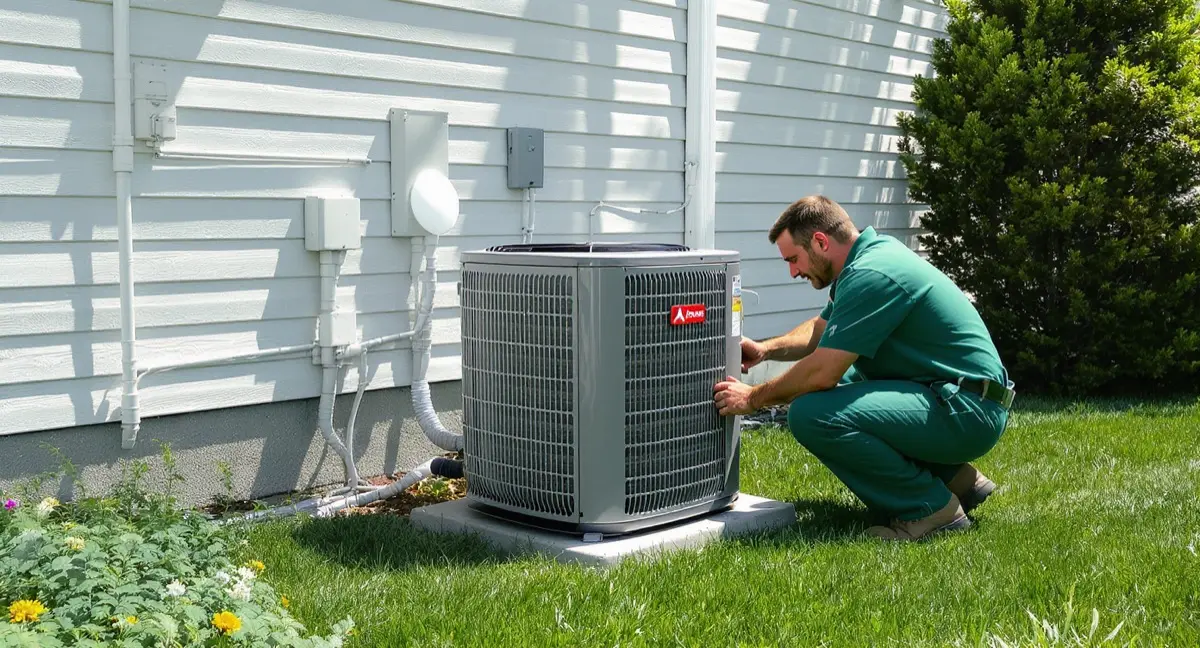
Start with the thermostat: confirm it is in cool mode, the setpoint is below room temperature, and replace batteries if it uses them. Swap in a clean filter with the correct size and an appropriate MERV rating. Feel the supply air at a floor or ceiling register and the return grille; a noticeable temperature difference suggests the refrigerant circuit is active, while little difference hints at airflow or compressor problems. Outdoors, clear grass clippings and debris at least 2 feet from the condenser, and gently rinse fins from the inside out if they are dusty.
Look for icing by inspecting the insulated suction line at the air handler and the evaporator access panel area; visible frost means it is time to shut the system off to thaw. Check the condensate drain line termination for a steady drip while cooling. If there is water in the overflow pan or a float switch near the drain has shut the system down, leave it off and avoid resetting it repeatedly. Do not open electrical panels, probe capacitors, or add refrigerant. Those steps are hazardous and can mask the root cause.
When to Power Down and Call Immediately
Turn the system off if you see ice on refrigerant lines, hear the outdoor unit attempting to start repeatedly, smell burning from the air handler, or notice breakers tripping more than once. These symptoms can overheat the compressor, damage windings, or flood the air handler with meltwater. If shutting down for at least four hours to thaw the coil does not restore normal cooling, a technician will need to measure superheat and subcooling and check electrical components under load.
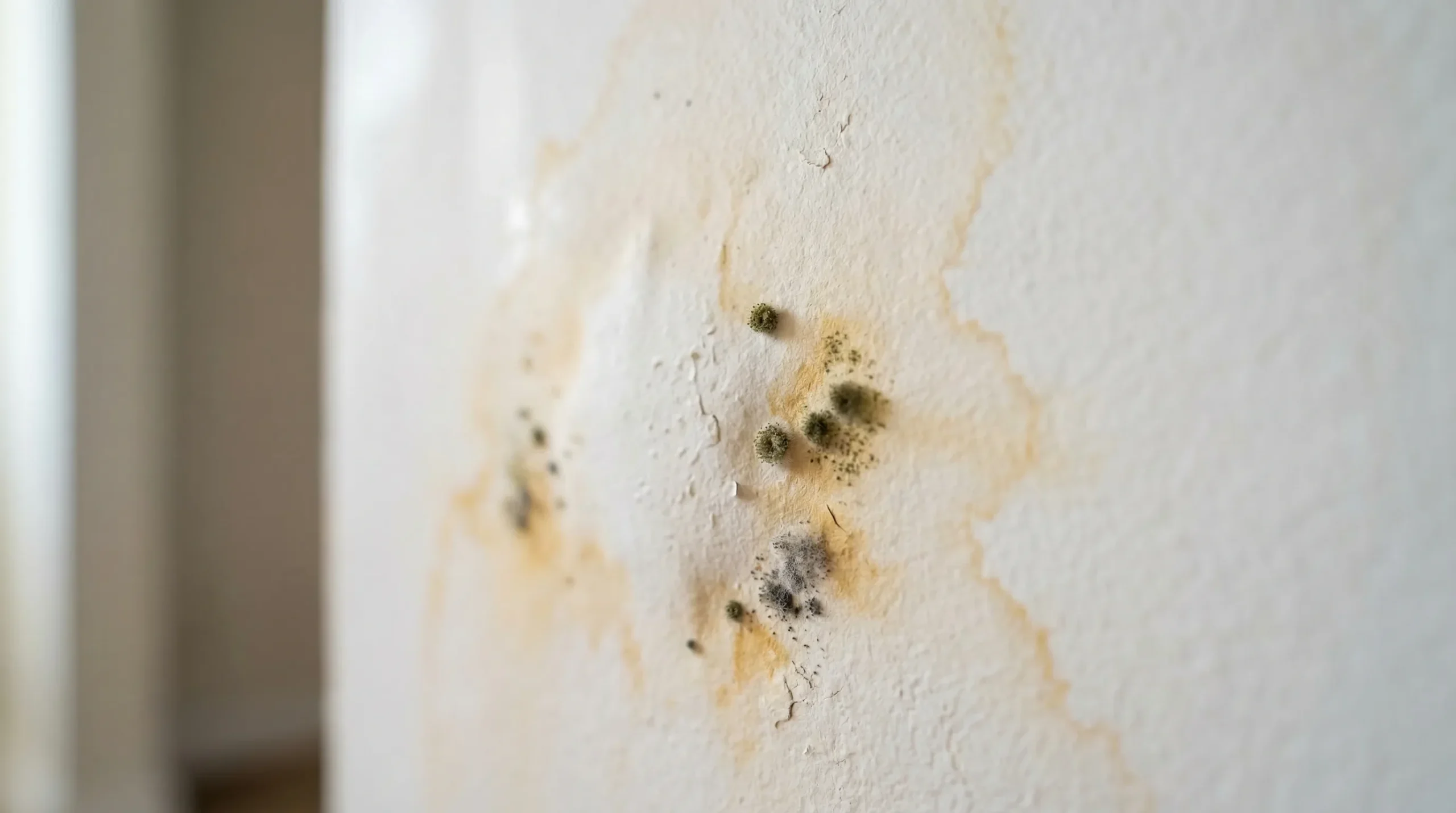
Water where it does not belong calls for quick action. In one realistic scenario, an attic air handler drips through the ceiling after a day of heavy cooling. The immediate move is to switch the thermostat to fan only for 30 minutes to help dry the coil, then shut everything down. Next, clear valuables below the wet spot and place a container under the secondary drain line outside. A pro can then clear the primary drain, verify the slope, and test the float switch so the issue does not return during the next humid stretch.
Preventing Repeat Failures in Humid, Dusty Conditions
Filtration is a trade-off between purity and airflow. High MERV filters can catch more pollen and dust but may reduce airflow if the return is undersized. If allergies aren’t severe or returns are limited, a mid-range MERV filter changed monthly during peak season can protect the evaporator coil without starving the blower. Vacuum return grilles regularly, and keep interior doors slightly open to reduce pressure imbalances that force air through leaks instead of across the coil.
Outside, maintain 2 to 3 feet of clearance around the condenser, trim shrubs, and avoid covers that restrict airflow. Gently hose the fins a few times each cooling season, straightening bent fins with a fin comb if needed. Pour a small amount of distilled white vinegar into the condensate trap every few months to discourage algae. Consider installing a surge protector for the condenser if summer storms cause frequent power blips. During a spring tune-up, ask the technician to check capacitor health, contactor wear, blower wheel cleanliness, and refrigerant charge using superheat or subcooling rather than pressure alone.
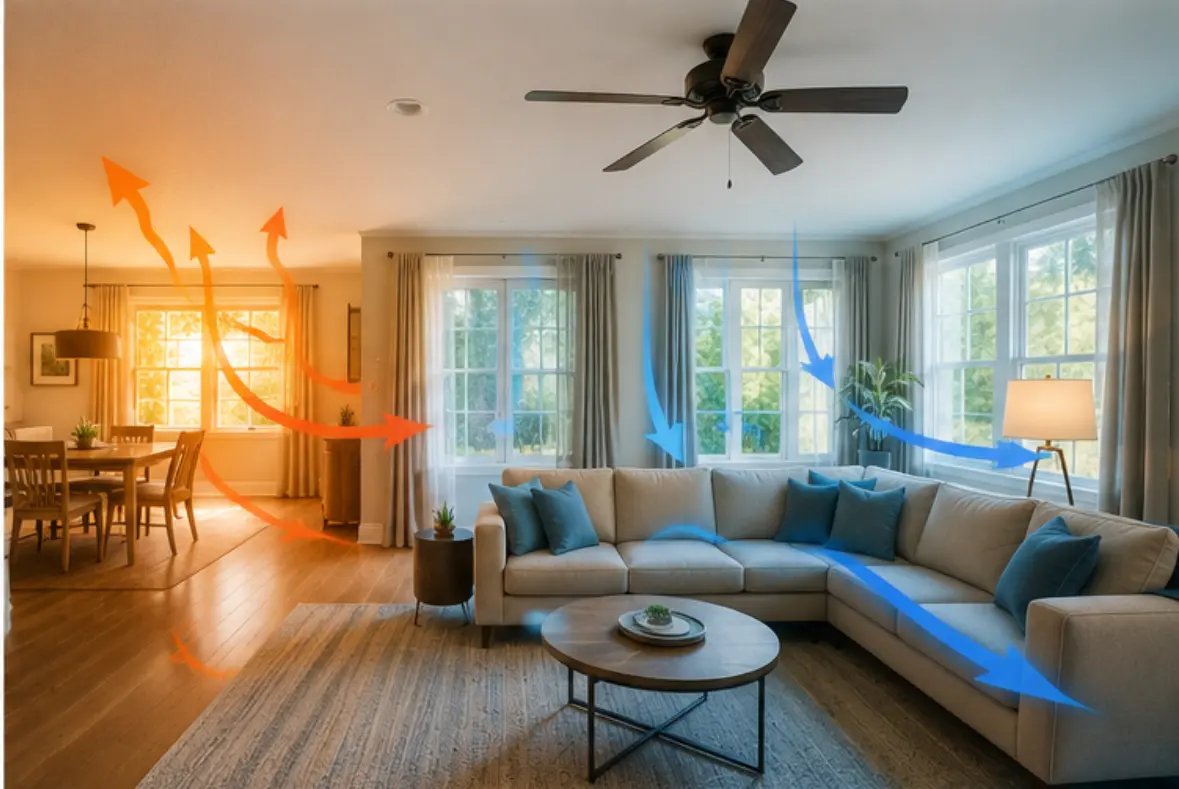
Another behavior to avoid is closing too many supply registers or shutting doors to “push” air to certain rooms. That raises static pressure, encourages duct leaks, and can make the evaporator coil run too cold. Similarly, a hard start kit is sometimes used to help an aging compressor start, but it is not a substitute for a proper capacitor replacement or addressing low voltage. Those shortcuts can reduce equipment life, trading short-term improvement for a costlier repair later.
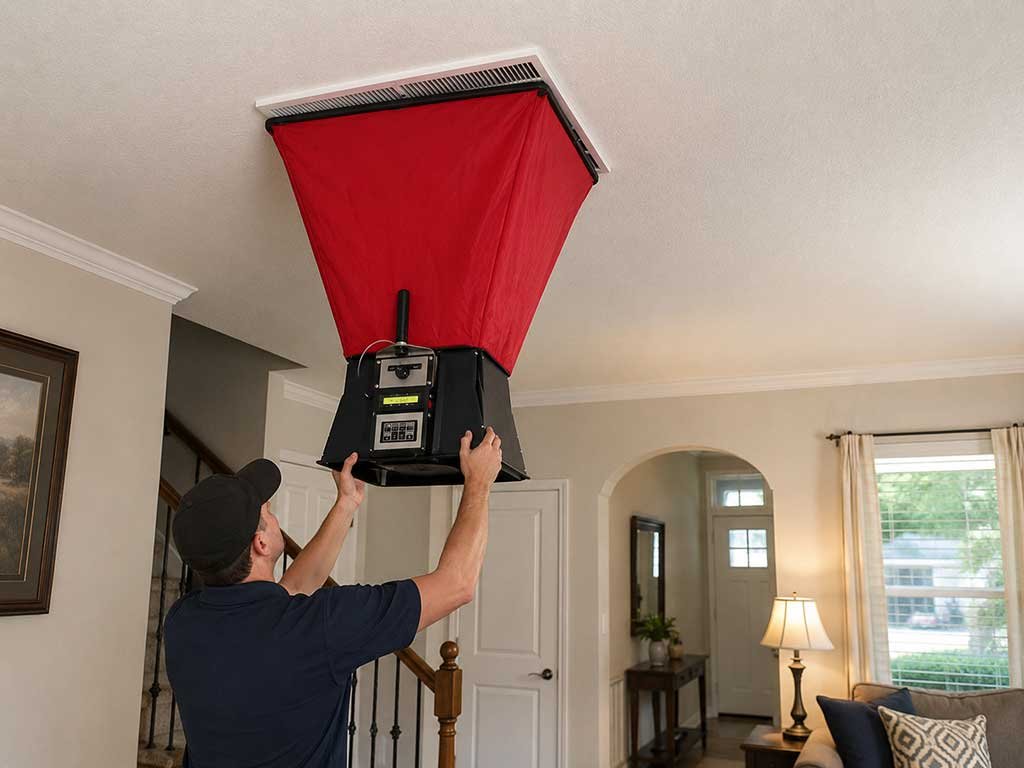
Finally, remember that humidity control matters as much as temperature. An AC that short-cycles may lower the temperature but leave the house clammy because it doesn’t run long enough to wring moisture from the air. In homes where the unit seems oversized, using a moderate setpoint and avoiding rapid thermostat swings can lengthen cycles and improve dehumidification. If duct leakage or room-by-room imbalances are suspected, a professional airflow assessment can identify restrictions that a filter change alone will not fix.
On a sweltering afternoon, a few careful checks can separate a quick fix from a problem that needs tools and training. Confirm thermostat settings, replace a dirty filter, clear the condenser, and check for icing or drain backups. If symptoms persist, power down to protect the compressor and document what you observed, including noises, cycle timing, and any water near the air handler. Sharing those details helps a technician pinpoint the fault faster, stabilize your system, and reduce the chance of repeat trouble during the next Caddo Mills heat wave.










Leave a Reply