
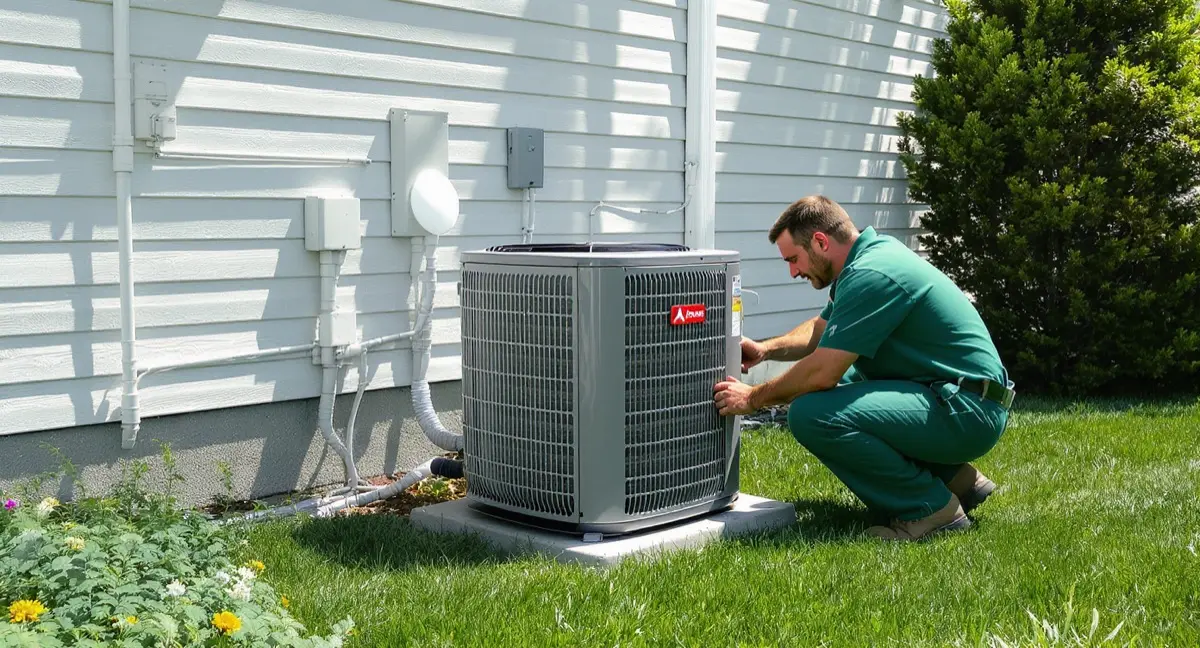
When outdoor temperatures soar, a central air conditioner that starts and stops every few minutes can leave a house uncomfortably warm and waste energy. This behavior, often called short cycling, also strains the compressor, contactor, and blower motor, which can shorten equipment life. Before you assume a major failure, a few targeted checks can reveal whether the issue comes from airflow restrictions, a control problem, or a refrigerant-related fault. This article explains how short cycling appears in hot, dry climates, what homeowners can safely inspect, and where the line is between a simple fix and a problem that needs professional diagnostics to protect the system from further damage.
-
What Short Cycling Looks Like and Why It Damages Equipment
Short cycling is more than a nuisance. You may notice the outdoor condenser fan and compressor start, run for fewer than 10 minutes, then stop, only to repeat. Indoors, supply air can feel cool for a moment, then fade as the blower shuts off. Frequent starts prevent pressures in the refrigerant circuit from stabilizing and can add stress to the compressor and other electrical components. The result may be uneven cooling, higher energy bills, and premature wear on parts that can be expensive to replace.
In more severe cases, professional testing is the safest route. Many homeowners begin with searches like AC repair in Henderson when their system will not stay on. A trained technician can evaluate refrigerant pressures, capacitor performance, electrical components, airflow, and temperature readings to pinpoint the cause. Still, a few basic checks you can perform first may restore normal operation or at least help you describe the symptoms accurately when you call.
-
Airflow Constraints: Filters, Coils, and Duct Static Pressure
Restricted airflow commonly causes rapid starting and stopping. Start with the return filter. A filter clogged with dust or one that creates excessive resistance can increase external static pressure in the duct system. That reduces airflow across the evaporator coil, lowers coil temperature, and may contribute to icing.
Choose a filter that balances particle capture with your equipment’s airflow needs, rather than automatically selecting the highest available MERV rating. Also check that furniture doesn’t block return grilles and that supply registers stay open. Closing too many registers is a common mistake that can increase static pressure and reduce system airflow.
Consider a realistic scenario: on a 110-degree afternoon, an attic air handler runs for several minutes, then shuts off as airflow weakens. You notice frost on the insulated refrigerant line near the air handler. Turn off cooling and let the system thaw naturally. Replacing a heavily clogged filter may improve airflow, but if icing returns, leave the cooling system off and arrange professional service. Low refrigerant, dirty coils, blower problems, or other faults may require diagnostic testing.
-
Electrical and Controls: Capacitors, Contactors, and Thermostat Placement
Electrical problems can imitate airflow or refrigerant faults. A weak capacitor, failing contactor, damaged wiring, or control problem can cause the outdoor unit to start irregularly or shut down unexpectedly.
Thermostat placement matters too. If the thermostat sits in direct afternoon sunlight or near a supply register, it may sense temperature changes that don’t represent the rest of the home and command shorter cycles. Redirecting a register so it doesn’t blow directly toward the thermostat, or reducing direct sunlight on the thermostat area, may help stabilize temperature readings.
Safety is critical around high voltage and moving components. Homeowners should limit themselves to simple checks such as confirming that the thermostat is set to Cool, replacing thermostat batteries if needed, and observing equipment operation from a safe distance.
Do not open electrical compartments, touch capacitors or contactors, or attempt live voltage testing. If a breaker trips repeatedly, leave the affected equipment off and arrange professional service rather than continuing to reset it.
-
Refrigerant Charge and Icing: When to Shut It Down and Call
Low refrigerant or other refrigeration system problems can reduce evaporator pressure and cause the coil to become cold enough for ice to form. Warning signs may include frost on the insulated refrigerant line, weak airflow, poor cooling, and more frequent cycling as ice builds.
If you see significant icing, turn cooling off and let the system thaw naturally. Do not chip, scrape, or pry ice from the coil or tubing because this can damage delicate components.
Do not add refrigerant without first determining why the charge is low. A qualified technician can inspect for leaks, evaluate refrigerant performance, and make repairs per the manufacturer’s requirements.
Other refrigeration or outdoor unit problems can also cause cycling. A malfunctioning metering device, restriction, compressor problem, or failed condenser fan can interfere with normal operation.
If the outdoor fan is not operating while the system makes unusual humming or electrical sounds, shut the system off and arrange service. Do not reach into the fan area or attempt to push the blades manually.
Condensate and Humidity: Hidden Water Switches That Stop Cooling
Even in dry climates, periods of higher humidity can produce enough condensate to expose drainage problems. A partially clogged drain line can allow water to collect in the primary or secondary drain pan.
Many air handlers use a float switch that shuts cooling off when water rises too high, helping prevent ceiling or property damage. If the water level changes and the switch resets, the resulting starts and stops may resemble short cycling.
From a safe location, look for obvious water around the air handler or secondary drain pan. If accessing the drain requires opening equipment panels, disconnecting switches, or reaching near electrical components, have a technician do the work.
Drain maintenance methods vary by system, so follow the equipment manufacturer’s instructions rather than using chemicals or improvised cleaning methods that could damage piping or internal components.
System sizing and duct leakage also affect cycling. Oversized equipment can satisfy the thermostat too quickly and may remove less humidity during mild or humid conditions. Leaky return ducts in a hot attic can also increase the system load and reduce comfort.
Blower airflow should be set according to equipment design, climate, and manufacturer specifications rather than relying on one universal airflow target. Professional static pressure and airflow measurements can reveal whether the blower, filter, coil, and ducts are working together correctly.
If your AC starts and stops rapidly, a few safe checks can help. Replace a dirty filter with the correct type, open blocked returns and supply registers, verify thermostat settings and placement, and look for obvious debris around the outdoor unit.
If you see icing, repeated breaker trips, water around electrical equipment, unusual sounds, or persistent short cycling, turn the system off and note what you observed, including approximate run time and when the problem occurs.
A qualified technician can then evaluate airflow, electrical components, controls, refrigerant performance, and condensate drainage to identify the underlying fault and help stabilize the system before the next period of extreme heat.








Leave a Reply