
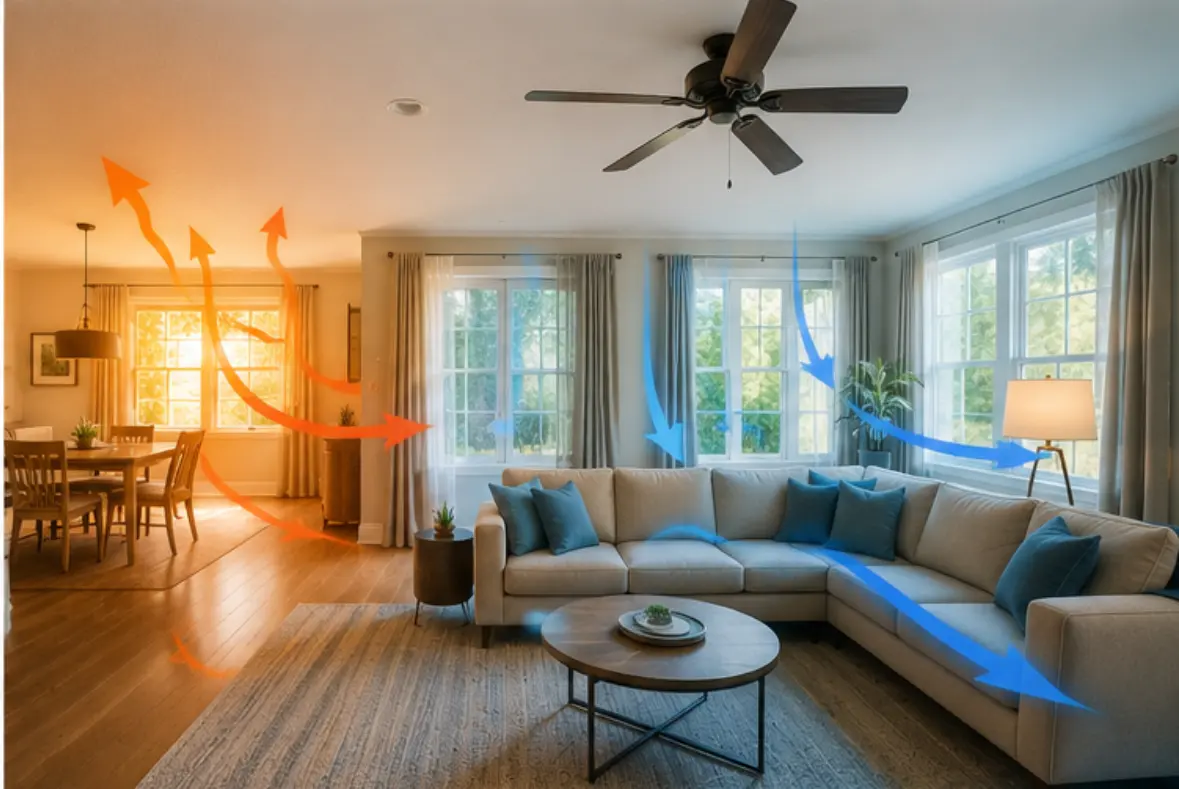
Hot upstairs bedrooms, cool basements that never quite warm up, a home office that bakes on sunny afternoons: uneven room temperatures are common in Portland’s mix of older houses and newer additions. Our damp winters, wildfire smoke season, and bouts of summer heat stress forced-air systems, whether they are gas furnaces with evaporator coils or heat pumps with air handlers. The good news is that comfort problems usually trace back to a few predictable culprits. This article explains the early signs of airflow trouble, why local homes develop imbalances, what a contractor measures to find the cause, and which fixes work without creating new issues.
-
Early warning signs of airflow and distribution problems
Listen for whistling supply registers, rattling return grilles, or a blower that seems to race and slow repeatedly. Those are clues of high static pressure and obstructed ducts. Watch for short cycling, where the furnace or heat pump turns on and off quickly, and for a small temperature rise at supply vents during heating. Excess dust streaking around register edges can signal duct leakage that pulls unfiltered air from attics or crawlspaces into the system.
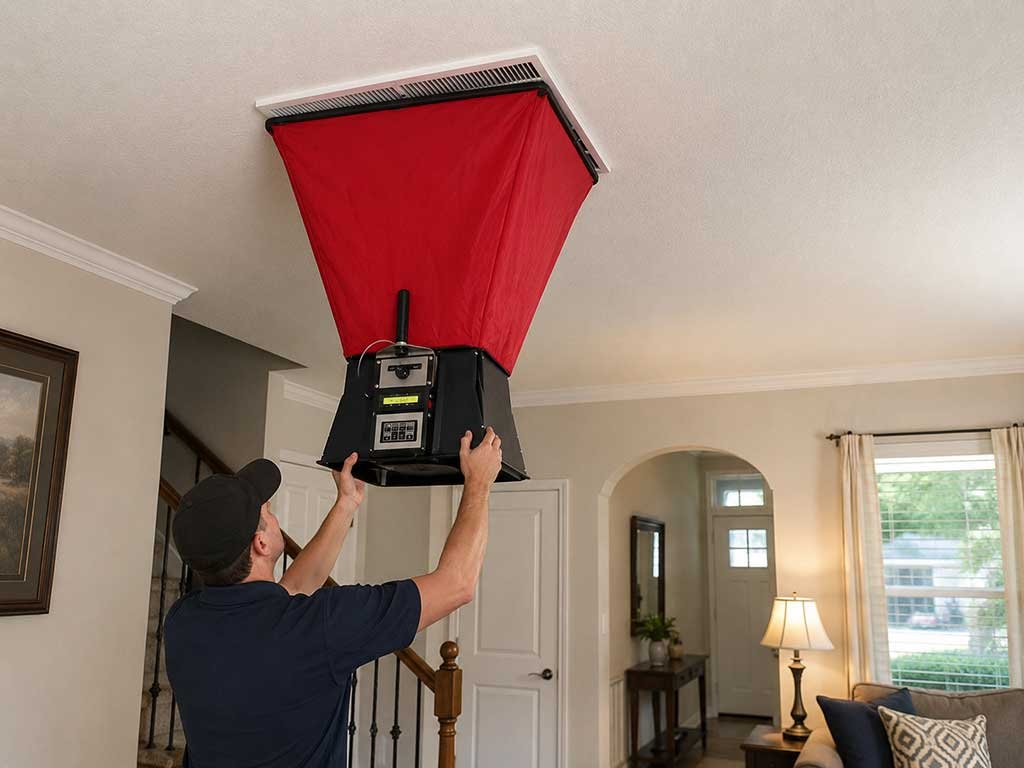
If a bedroom lags with the door open, or a bonus room reaches the thermostat setpoint long before the rest of the house, distribution is likely off. A licensed technician can test static pressure, measure cubic feet per minute at vents, and inspect filters, coils, and dampers; local readers can explore HVAC contractor services in Portland, OR from Sarkinen to understand what a full evaluation involves before scheduling anything.
-
Why Portland homes develop uneven temperatures
Many older Portland houses rely on flex duct runs through vented crawlspaces and attics. Over time, sagging flex, crushed elbows, and loose takeoffs bleed conditioned air into unconditioned spaces. Unsealed duct boots and panned returns can pull damp, cold air from basements, diluting upstairs supply temperatures. In a typical scenario, a 1920s bungalow with a finished attic can leave the top-floor office starved for airflow because the supply trunk is undersized for the added load. In contrast, the first-floor living room stays comfortable.
-
What a pro measures to pinpoint the cause
Effective diagnosis starts with numbers, not guesses. A technician drills test ports and uses a manometer to record total external static pressure before and after the filter and coil, comparing readings to the blower’s rated range. They measure airflow at supply registers with a flow hood or anemometer to see which rooms are underfed, check the temperature split across the furnace or heat pump coil, and confirm duct sizing with Manual D principles. If the home was remodeled or an addition was added, they review the heat loss and gain room by room using Manual J to verify the equipment and ducts still match the load.
-
Fixes that work and the trade-offs to expect
Start with the path of least resistance, literally. Sealing leaky ducts with mastic and mesh, tightening loose takeoffs, and replacing crushed flex with properly supported runs can restore hundreds of cubic feet per minute to starved rooms. If returns are undersized, adding a return grille or installing transfer grilles or jumper ducts lets air flow back to the equipment when doors are closed, cutting pressure imbalances. Swapping a 1 1-inchilter rack for a deeper 3 3-o 5 5-inchedia cabinet reduces pressure drop while maintaining filtration, which helps during wildfire smoke days. Cleaning a clogged evaporator coil and blower wheel can restore the airflow the system was designed to deliver.
Some imbalances demand redesign. Resizing a supply trunk, adding balancing dampers to branches, or relocating a poorly placed thermostat can stabilize temperatures without oversizing the furnace or heat pump. Zoning can help where a bonus room or finished attic differs wildly from the main floor, but it adds dampers, a control panel, and setup complexity. This is a trade-off: true zoning improves control but requires managing static pressure to protect the blower—another trade-off shows up at the filter rack. High MERV filters capture fine smoke, but the wrong size or media can choke airflow. Choose a deeper cabinet and monitor static pressure instead of downgrading filtration or starving the system. Finally, avoid the common mistake of closing supply registers to force air elsewhere. It spikes static pressure, increases noise, and can worsen comfort while stressing the blower.
Keep results with timing and simple upkeep.
Comfort fixes stick when airflow stays healthy. Replace filters on schedule and sooner after heavy smoke events; a deeper media filter often keeps performance steadier between changes. Keep furniture and drapes clear of supply and return grilles, and if you must keep bedroom doors closed, use transfer grilles or undercut doors so air can return. Schedule a tune-up before the first hard cold spell or the first summer heat wave, when small refrigerant charge issues, weak capacitors, or dirty coils can have outsized effects. After any remodel, furniture shuffle, or new register installation, ask for a quick balance check to confirm each room still receives the intended airflow.
Uneven temperatures are frustrating, but they are rarely mysterious. Most issues come down to measurable airflow, duct leakage, return paths, and controls that do not match how the home is used today. If you recognize the early signs, focus diagnostics on static pressure and room-by-room airflow, then fix the biggest constrictions first. When trade-offs arise, favor solutions that lower resistance and protect the blower rather than masking symptoms. With the right measurements and a few targeted changes, Portland homes usually regain steady comfort across levels and seasons.








Leave a Reply