
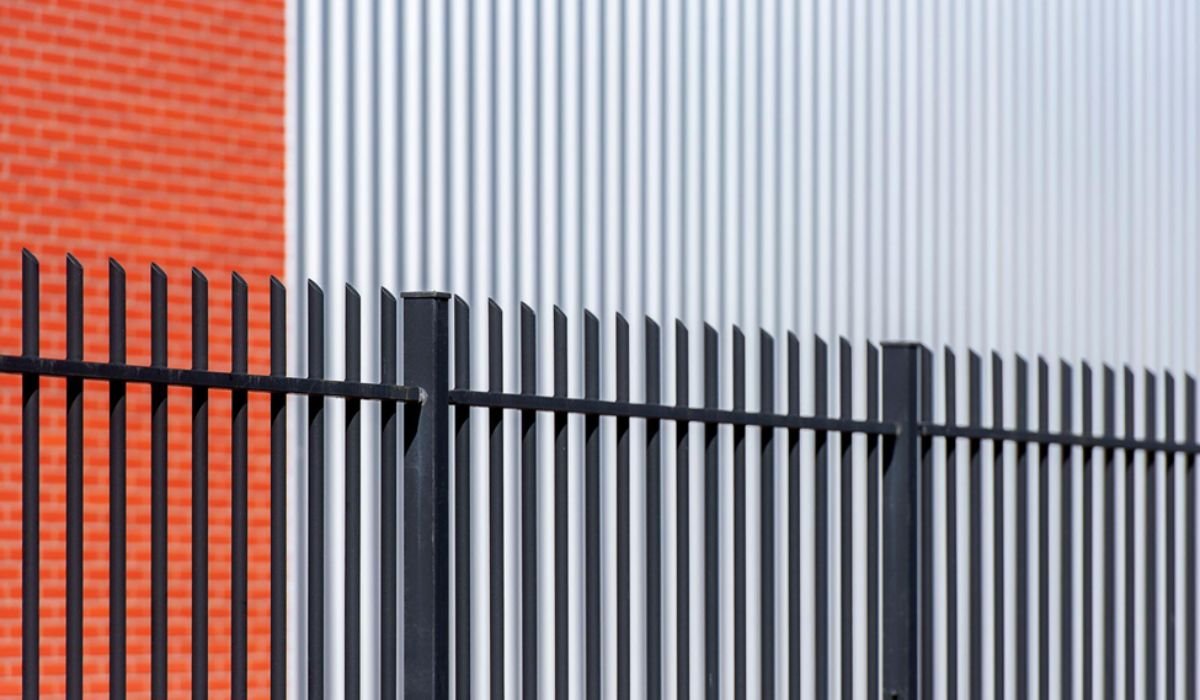
There’s a lot riding on the fence you choose for a commercial property. Security matters, sure, but so does how long it lasts, what it costs to keep, and whether it makes your site look the part. That’s a lot to balance, and it’s exactly why so many Australian business owners land on steel. It tends to deliver where timber and vinyl fall short. Warehouse, retail space, industrial yard – whatever you’re protecting, it helps to understand why steel earns its keep before you commit.
Security and Access Control
A perimeter is only as good as the barrier holding it. Steel is tough to get through, and that alone puts it well ahead of timber or vinyl when it comes to discouraging intruders and vandals. The rigid frame stands up to cutting, climbing, and the occasional hard knock, so you end up with a genuine deterrent rather than a fence that just looks intimidating from the road.
But strength on its own only gets you so far. What makes steel especially useful is how easily it works alongside the security gear businesses already run. Hook it up to access control, electronic gates, and cameras, and you’re building protection in layers instead of betting everything on one barrier. For sites storing valuable stock or equipment, structural steel security fencing in Melbourne has become a popular pick for companies that want things properly locked down without turning every entry into a hassle.
Durability and Longevity
Weather is relentless, and commercial fencing has to take years of it without demanding much back. Steel naturally resists rust, corrosion, and general wear – and with galvanised or powder-coated finishes, that resistance climbs higher still. Harsh sun, drenching rain, sticky coastal air: steel handles all of it far better than wood, which warps and rots, or vinyl, which grows brittle and cracks with age.
The payoff is less fussing over upkeep. Timber asks for regular painting, sealing, and patch-up jobs. Steel is happy with the odd hose-down. The upfront price can sting a little more, no arguments there. But once you stretch that cost across a long life and hardly any maintenance, steel usually comes out ahead.
Cost-Effectiveness for Commercial Use
The sticker price rarely tells the full story. Low maintenance keeps quietly saving you money year after year – money that would otherwise disappear into repainting, repairs, or pest treatment. And because steel doesn’t need swapping out every few years, you dodge the disruption and expense of tearing down and reinstalling fencing on repeat.
There’s a subtler return worth mentioning, too. Better security means fewer break-ins and less damage, which can help nudge your insurance premiums down and keep your liability in check. Tally up the rare replacements, the light upkeep, and the stronger protection, and steel often outperforms the cheaper options that only look like a deal at checkout.
Aesthetic Appeal and Customisation
Tight security doesn’t have to mean an ugly boundary. Today’s steel fencing comes in enough styles to suit a property that wants to make a decent first impression. Clean, minimalist panels or something with a more traditional feel – either way, there’s room to match the look of your business.
Height, colour, finish: adjust them to fit your branding or the buildings around them. A well-chosen steel fence quietly says a business sweats the details, and that impression can lift your property’s value in the eyes of clients, tenants, and anyone dropping by.
Investing in Steel Fencing for Long-Term Value
Strength, durability, savings, and a look you can be proud of – steel manages to bundle all four, which is what makes it such a sensible fit for commercial properties across Australia. Want security without giving up on appearance? Steel covers both.
If you’re still turning the options over, a quick chat with a local specialist is a good next move. They can build a solution around your site and your budget, so you pay for the fence you need and nothing more.














Leave a Reply