
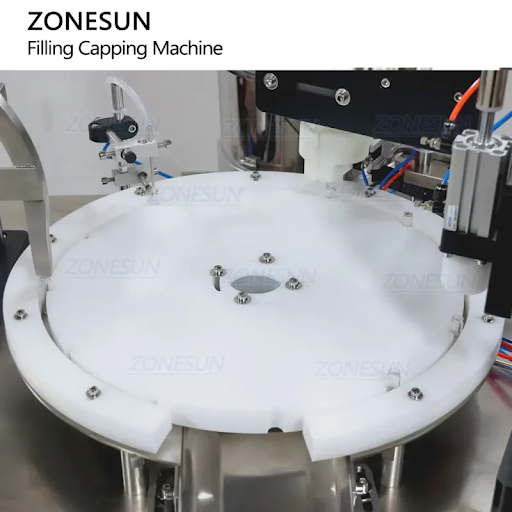
A reliable packaging process requires more than simply transferring liquid into containers. Manufacturers must control filling volume, maintain product hygiene, position caps correctly, and ensure consistent sealing across production batches. A Bottle Filling and Capping Machine combines these operations into an integrated system, helping businesses improve packaging consistency and reduce manual handling.
Understanding how this equipment works can help manufacturers select suitable configurations for different liquids, bottle formats, and production requirements. Every stage, from feeding empty bottles to inspecting finished products, contributes to consistent product quality and efficient production.
1. What Is a Bottle Filling and Capping Machine?
A Bottle Filling and Capping Machine is an automated or semi-automated packaging system designed to dispense a predetermined amount of liquid into bottles and secure each container with a suitable cap. Depending on its configuration, the equipment can perform filling, cap sorting, cap placement, tightening, and bottle discharge within one production line.
These machines are commonly used for packaging water, beverages, cooking oil, cosmetics, detergents, pharmaceutical liquids, and other products. Their production capacity varies according to the number of filling heads, filling method, bottle size, and automation level.
The Basic Structure of a Bottle Filling and Capping Machine
Although machine configurations differ, most systems consist of several essential components:
- Bottle Conveyor: Transports empty containers through each processing station at a controlled speed.
- Filling System: Uses filling nozzles, pumps, pistons, or flow meters to dispense the required liquid volume.
- Bottle Positioning Mechanism: Keeps containers properly aligned beneath filling heads and capping units.
- Cap Feeding System: Organizes and delivers caps in the correct orientation.
- Capping Unit: Applies and tightens caps using mechanical or servo-driven mechanisms.
- Control System: Coordinates machine movements, filling parameters, conveyor speed, and safety functions.
For example, a multi-head machine with 8–16 filling nozzles can process several bottles simultaneously. Its actual output depends on the filling volume, liquid properties, and cycle time.
Different Types of Bottle Filling and Capping Machines
Manufacturers can choose from several configurations based on production scale and packaging requirements:
- Manual Machines: Require operators to position bottles and perform some filling or capping operations. They suit small-scale production.
- Semi-Automatic Machines: Automate selected processes while requiring manual bottle loading or cap placement.
- Automatic Machines: Integrate bottle feeding, filling, capping, and discharge to reduce manual intervention.
- Rotary Machines: Move bottles through circular processing stations, making them suitable for high-speed production lines.
- Linear Machines: Arrange filling and capping stations along a straight conveyor, offering flexible layouts for different production capacities.
2. How Does a Bottle Filling and Capping Machine Work Step by Step?
A typical Bottle Filling and Capping Machine follows a coordinated sequence that moves empty containers through filling and sealing operations. Each station performs a specific task, while sensors and control systems help maintain consistent timing and positioning.
Step 1: Bottle Feeding and Positioning
Empty bottles enter the production line through an infeed conveyor or automatic unscrambler. Guide rails, star wheels, or positioning mechanisms separate and align containers before they reach the filling station.
Sensors detect bottle presence and help prevent filling nozzles from operating when containers are missing. This reduces liquid waste and minimizes production interruptions. The conveyor speed must match the machine’s operating cycle. Poor bottle spacing can cause collisions, misalignment, or uneven processing.
Step 2: Bottle Cleaning and Preparation
Before filling, bottles may require cleaning to remove dust, loose particles, or other contaminants introduced during storage and transportation. Depending on product hygiene requirements, preparation equipment may include:
- Air rinsing systems for removing loose particles.
- Water rinsing units for washable containers.
- Sterilization systems for applications requiring controlled microbial conditions.
For food and pharmaceutical production, cleaning procedures should follow the applicable hygiene standards. Not every product requires sterilization, so the preparation method should match the product and container specifications.
Step 3: Liquid Filling and Volume Control
Once bottles reach the filling station, nozzles descend or align with their openings. The machine then releases a preset liquid quantity using its selected filling technology.
Filling volume can be controlled through piston displacement, pump operation, flow measurement, or timed dispensing. For instance, a 500 mL beverage bottle requires a consistent target volume across repeated filling cycles. A well-configured Bottle Filling and Capping Machine can also use anti-drip nozzles, liquid-level sensors, or bottom-up filling functions to reduce splashing and product loss.
Step 4: Cap Feeding and Positioning
After filling, bottles move toward the capping station. Caps are supplied through a hopper or cap elevator and arranged by an orientation mechanism before entering the cap chute. The feeding system delivers individual caps to the capping heads or placement mechanism. Sensors can monitor cap availability and detect feeding interruptions. Correct cap orientation is particularly important for screw caps, snap-on closures, and other specialized packaging formats.
Step 5: Bottle Capping and Sealing
The capping unit places a cap onto each filled bottle and applies the required tightening force. Depending on the closure design, the machine may use screw capping, press-on capping, or other sealing mechanisms.
For screw caps, torque control is important. Insufficient torque may cause leakage, while excessive torque can damage the cap, threads, or bottle neck. A servo-driven capping system can provide more consistent torque adjustment than a basic mechanical setup. Actual settings depend on cap material, thread design, and sealing requirements.
Step 6: Finished Bottle Discharge and Inspection
After capping, finished bottles move along the discharge conveyor for inspection and downstream packaging. Inspection equipment may check:
- Filling levels and missing liquid.
- Missing, loose, or incorrectly positioned caps.
- Leakage or visible contamination.
- Bottle damage and labeling defects.
Depending on production requirements, manufacturers can integrate checkweighers, vision inspection cameras, and automatic rejection devices. Qualified products then proceed to labeling, coding, and carton packaging.
4. Conclusion
Understanding the operating process and filling technologies of a Bottle Filling and Capping Machine helps manufacturers make better equipment decisions. From bottle positioning and liquid dispensing to cap tightening and final inspection, every stage contributes to packaging consistency.
The right configuration depends on liquid viscosity, bottle specifications, closure type, and required production output. By matching filling technology with actual application requirements, manufacturers can improve production efficiency, reduce material waste, and maintain reliable packaging quality.














Leave a Reply