
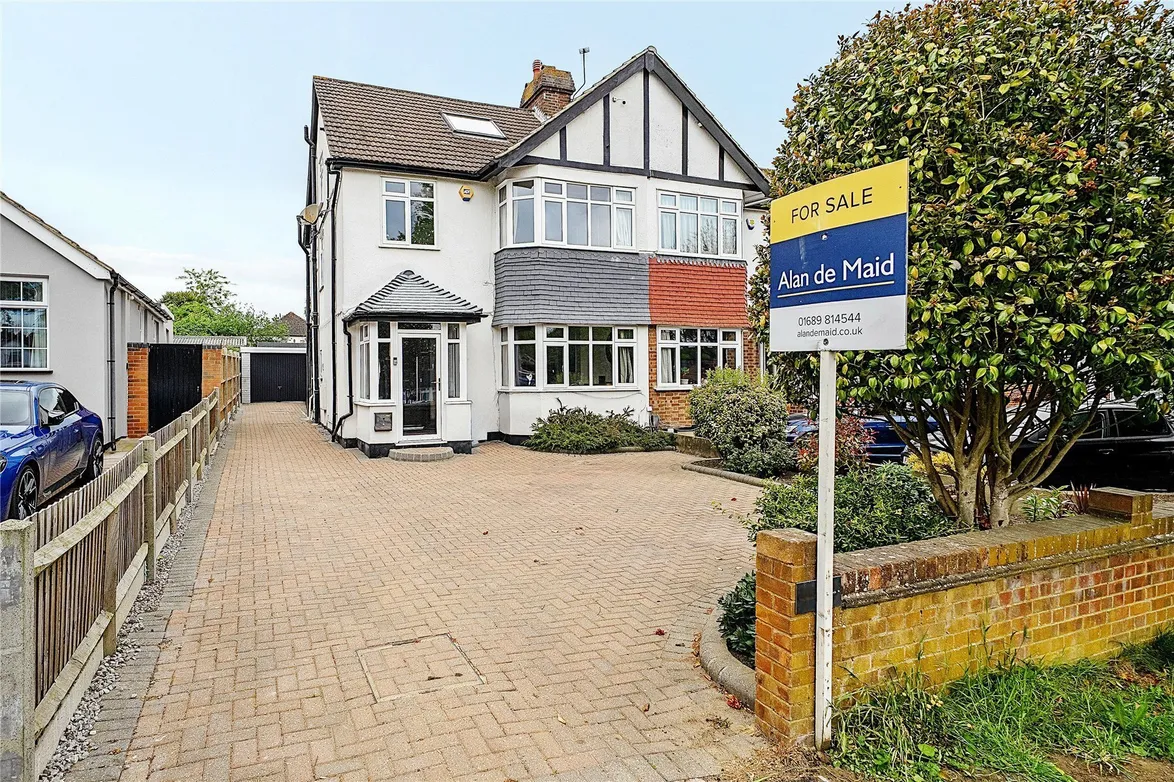
Selling a property involves several important stages, from understanding its market value to handing over the keys to the new owner. Whether you are moving to a larger family home, downsizing or relocating for work, knowing what to expect can make the experience less stressful. Working with the Top Estate Agents in Orpington can help you navigate each stage, make informed decisions and keep your sale progressing smoothly. With the right preparation, realistic expectations and professional guidance, you can approach the process with greater confidence and work towards a successful completion.
1. Start With an Accurate Property Valuation
The first step in selling your home is understanding how much it could realistically achieve on the current market. A professional valuation considers several factors, including the property’s size, condition, location and features, alongside recent sales of comparable homes.
In Orpington, property values can vary according to the neighbourhood, access to transport, nearby schools and local amenities. A well-presented family house may attract a different group of buyers from a flat or bungalow, so it is important to assess your property in the context of its local market.
An estate agent can explain how comparable properties influence the suggested asking price and discuss the level of demand for homes like yours. Remember that an asking price is not a guarantee of the final sale price.
Obtaining advice from a local agent helps you establish a realistic starting point and develop a pricing strategy that reflects your circumstances and objectives.
2. Prepare Your Home for the Market
Once you understand your property’s potential value, the next step is preparing it for prospective buyers. First impressions matter, particularly when buyers are comparing several homes online and deciding which ones to view.
Start by making small repairs and addressing obvious maintenance issues. Fix dripping taps, replace damaged fittings and ensure doors, windows and lights work properly. These details can help your property appear well maintained.
Decluttering is equally useful. Clear kitchen worktops, organise cupboards and remove unnecessary furniture to create a sense of space. A thorough clean and simple decoration can also make rooms feel brighter and more inviting.
If your property has a garden, tidy the lawn, trim hedges and clear pathways. Outdoor space can be an important selling point for buyers looking for family homes in Orpington.
Your estate agent can recommend practical improvements that suit your budget. You do not necessarily need a major renovation; the priority is presenting your home in a way that helps buyers recognise its potential.
3. Agree on an Effective Marketing Strategy
After preparing your property, your agent will help bring it to the attention of suitable buyers. Effective marketing combines attractive presentation with accurate information and appropriate exposure.
Professional photography is particularly important because many buyers begin their search on property portals. Clear images should show the main living spaces, bedrooms, kitchen, bathroom and any appealing outdoor areas.
The property description should explain the home’s key features, layout and location without exaggerating its benefits. Relevant details about transport connections, local amenities and nearby facilities can help buyers understand what living in the area might offer.
Your agent may promote the property through online portals, their own website, existing buyer enquiries and other marketing channels. They should also explain how viewings will be arranged and how feedback will be shared.
A well-planned launch can help generate interest and establish a strong first impression. Discuss the marketing approach with your agent before the listing goes live so that you understand how your property will be presented.
4. Arrange Viewings and Review Buyer Feedback
Viewings give prospective purchasers the opportunity to experience the property beyond its online photographs. Your agent can coordinate appointments, answer initial questions and collect feedback following visits.
Before each viewing, make sure the property is clean, rooms are tidy and curtains or blinds allow natural light into the space. Try to make the home feel welcoming without adding unnecessary decoration.
It is helpful to remain flexible with appointment times where possible, as accommodating serious buyers may increase opportunities to secure an offer. If you have pets, consider how to make viewings comfortable for visitors.
Feedback can also provide useful insight. Buyers may comment on the asking price, room layout, decoration or features they particularly like. If several people raise similar concerns, discuss them with your agent before deciding whether any changes are needed.
Not every viewing will result in an offer, but consistent feedback can help you understand how your property is being received and whether your marketing strategy is working.
5. Evaluate Offers and Negotiate Carefully
Receiving an offer is an important milestone, but the highest figure is not always the strongest overall proposal. You should also consider the buyer’s financial position, whether they have a property to sell and how prepared they are to proceed.
Your estate agent can explain each offer, communicate with the buyer’s agent where relevant and help you assess the proposed terms. You remain responsible for deciding whether to accept, reject or negotiate.
Factors such as mortgage arrangements, the property chain and the buyer’s preferred timescale may influence how likely the transaction is to progress smoothly.
Once you accept an offer, the property is generally described as sold subject to contract in England and Wales. This means the transaction is not legally binding at that stage, and either party may still withdraw before contracts are exchanged.
Your agent should keep communication clear and help manage expectations while the legal work progresses.
6. Instruct a Solicitor or Conveyancer
After accepting an offer, you will need a solicitor or licensed conveyancer to handle the legal aspects of the sale. They will prepare the contract documentation, respond to enquiries and coordinate the transfer of ownership.
You will usually be asked to complete property information forms and provide details about boundaries, alterations, guarantees and any relevant certificates. Gathering available paperwork early can help prevent avoidable delays.
Your conveyancer may also request information relating to the property’s title and other matters affecting the sale. Responding promptly to questions and providing accurate information can keep the process moving.
Your estate agent and conveyancer have different responsibilities. The agent manages the sale and communication between the parties, while the conveyancer deals with the legal transaction.
Maintaining contact with both professionals helps you understand what has been completed and whether anything remains outstanding.
7. Navigate Surveys, Enquiries and Exchange of Contracts
During the transaction, the buyer may arrange a survey to assess the property’s condition. If the survey identifies concerns, the buyer might request further information, seek specialist advice or attempt to renegotiate the price.
These situations do not automatically mean the sale will fall through. Discuss any concerns with your agent and conveyancer before deciding how to respond.
The buyer’s solicitor will also raise enquiries, which may require documents or clarification from you. Prompt responses can help avoid unnecessary delays.
Once both parties are satisfied with the legal arrangements and are ready to proceed, contracts can be exchanged. At this point, the agreement becomes legally binding, with completion taking place on the agreed date.
Your conveyancer will explain the arrangements and confirm what is required before exchange.
8. Prepare for Completion Day
Completion is the final stage of the sale. The buyer’s funds are transferred through the conveyancing process, ownership changes hands and the keys can be released according to the agreed arrangements.
Before completion, arrange removals, organise utilities and ensure that the property will be cleared as agreed. Leave any items specified in the contract and take final meter readings where appropriate.
Your agent will usually coordinate key collection and release once they receive confirmation from the conveyancer that completion has taken place.
After handing over the keys, keep copies of important documents and confirm any outstanding practical arrangements have been addressed.
Making Your Orpington Property Sale a Success
From valuation and marketing to negotiation, conveyancing and completion, every stage plays a role in achieving a successful sale. Preparation, timely communication and realistic expectations can make the process more manageable.
Choosing experienced local professionals helps you understand your options and respond confidently when decisions arise. With support from the Top Estate Agents in Orpington, you can approach each stage with a clearer plan and work towards completing your property sale as smoothly as possible.













Leave a Reply