
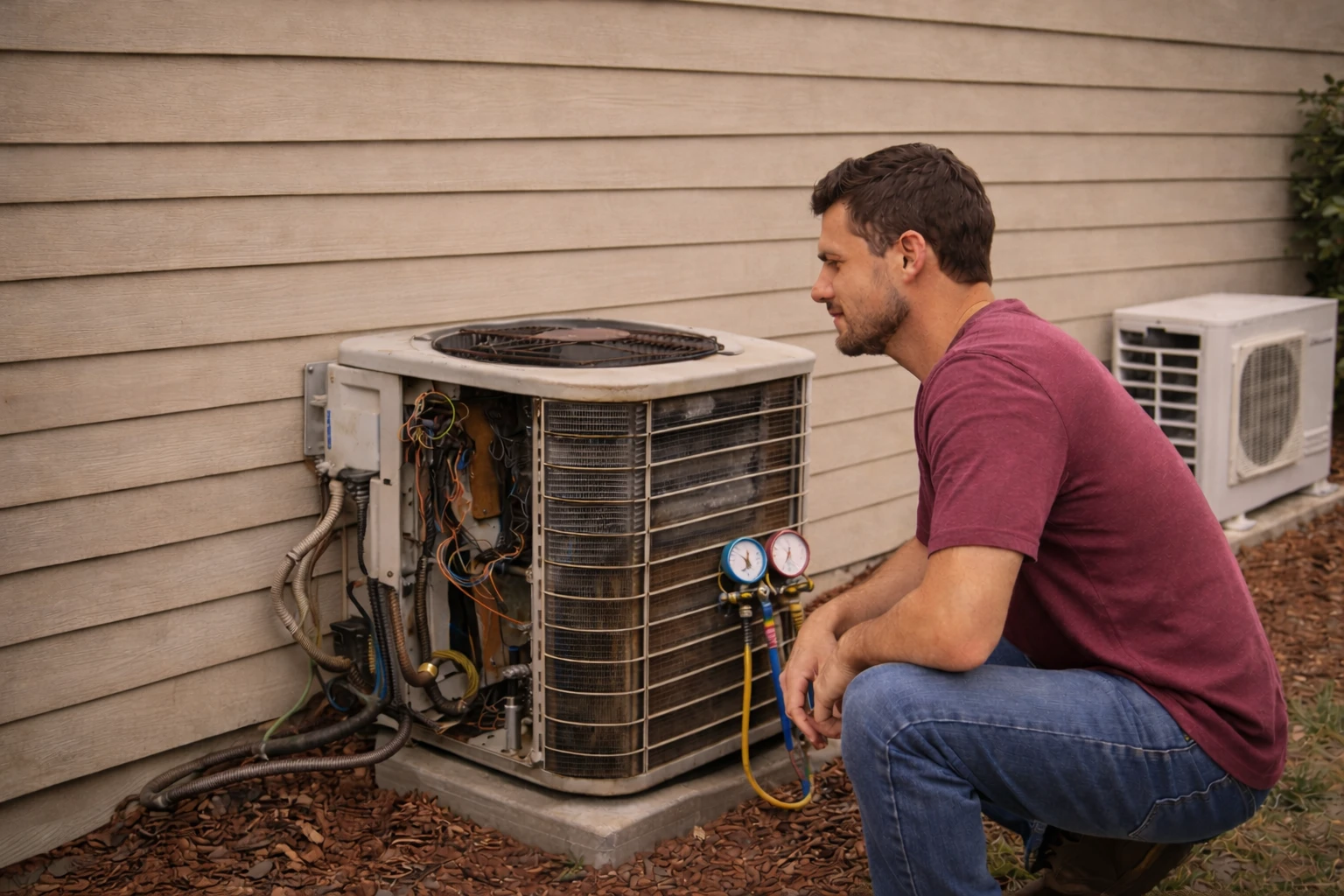
Hot, humid afternoons can quickly expose weak spots in a cooling system. If your thermostat is set correctly yet rooms still feel stuffy or clammy, the issue is more than discomfort. Long runtimes strain the compressor, icing can damage the evaporator coil, and a clogged drain can lead to water near the air handler. This guide covers what you can recognize early, what those clues usually mean inside the equipment, safe checks you can do without tools, when to involve a licensed technician, and how to prevent the same AC performance problems from returning.
-
Red flags your cooling system is struggling
Common warning signs include supply vents that feel lukewarm even with the thermostat in Cool mode, unusually long cycles that still miss the setpoint, and rooms that stay hot while others get chilly. Watch for a thick frost layer on the insulated suction line near the air handler, water around the indoor unit from an overflowing condensate pan, or an outdoor condenser that roars but doesn’t reject heat effectively. A musty burst of odor when the system starts, or indoor air that feels sticky despite a low thermostat setting, are additional cues. Homeowners who search for AC repair in Alpharetta often notice one or more of these patterns during peak humidity.
-
What those symptoms usually mean inside the system
Each symptom often traces back to a specific bottleneck. Weak airflow and long runtimes usually point to a restricted return path or a clogged filter, which raises static pressure across the blower and can make the evaporator coil run too cold and frost. Frost on the suction line or coil can also mean a low refrigerant charge from a leak or a metering issue at the thermal expansion valve, both of which reduce heat absorption. If the top of the outdoor unit feels extremely hot and the fan is not spinning or starts slowly, a weak condenser fan capacitor may be the culprit. Uneven rooms frequently signal duct leakage in the attic or a closed supply register, which pushes air through the path of least resistance and starves distant runs. A constantly damp drain pan suggests an obstructed condensate line, allowing water to back up into or around the air handler.
Two everyday scenarios illustrate how cause and effect connect. After a quick afternoon power flicker, the compressor might restart, but the condenser fan motor can stall if its capacitor is failing. The unit will buzz, the cabinet will heat up, and indoor air will slowly warm even though the outdoor unit is “on.” In a second story that never quite cools, the hidden issue may be a leaky supply trunk in a hot attic. The blower moves plenty of air, but some never reaches the rooms, so the downstairs thermostat is satisfied while bedrooms stay stuffy.
-
Smart, safe checks you can handle today
Start with the basics at the thermostat: confirm Cool mode, a sensible setpoint, and that scheduling hasn’t overridden your selection. Inspect the return grille and filter; replace 1-inch filters frequently during pollen season, and make sure the filter’s arrow points toward the air handler. Walk the home to open closed supply registers and clear furniture or drapes from blocking vents and the return. Outside, give the condenser at least two feet of clearance on all sides and gently brush away cottonwood seed, grass clippings, or pollen mats from the coil fins. Look through the top grille to confirm the condenser fan is spinning when the compressor is running. Near the air handler, check the condensate drain line for a clean, steady drip; if water is pooling, turn the system off and clear the line with a wet/dry vacuum at the exterior drain. Feel the large insulated copper line; it should be cool to the touch with light condensation. If it is encased in ice, shut the system off and set the fan to On for a few hours to thaw before calling for service.
A few missteps make problems worse. Closing several supply registers to “push more air” can actually increase static pressure, reduce coil temperature, and trigger more icing, not more comfort. Power washing the condenser coil bends delicate fins and blocks airflow. Cramming the densest 1-inch, high-MERV filter into a return that wasn’t sized for it can choke airflow; there is a trade-off between filtration and pressure drop, so choose a pleated filter with a reasonable MERV rating the blower can handle, or use a deeper media filter cabinet designed for low resistance. Another trade-off is the thermostat fan setting: leaving it On can circulate air evenly but also re-evaporate moisture off the coil, raising indoor humidity. If humidity is high, Auto usually dehumidifies better.
-
When professional diagnostics are the right next step
Some clues signal an issue that requires specialized tools or training. Repeated icing after filter changes, visible oil stains on refrigerant lines, tripping breakers at startup, a burning odor from the air handler, or a persistent low temperature split between return and supply despite good airflow all warrant a licensed technician. A pro can measure refrigerant superheat and subcooling to verify charge and metering, test capacitors and contactors under load, check motor amperage, and measure total external static pressure across the air handler to spot duct restrictions. They can clean a matted evaporator coil that is hidden inside the cabinet, verify thermal expansion valve operation, clear and treat clogged condensate traps, and locate duct leaks with smoke or pressure testing. Refrigerant handling is not a DIY task; it is regulated for safety and environmental reasons.
Preventing repeat problems in a humid, pollen-heavy climate
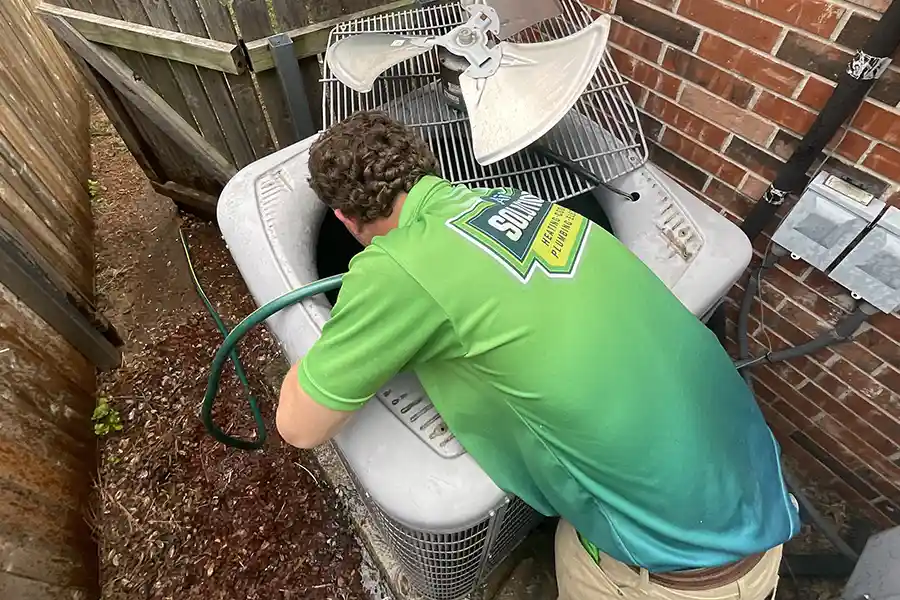
Prevention targets airflow, heat transfer, and moisture management. Replace 1-inch filters every month or two during peak pollen and mowing seasons, and keep returns unobstructed. Trim shrubs and maintain that two-foot buffer around the condenser so it can move outdoor air freely; keep mulch and grass clippings away from the coil base. After disconnecting power, rinse the outdoor coil gently with a garden hose from the inside out, or have it cleaned during routine maintenance. Flush the condensate line periodically with a small amount of white vinegar to discourage algae. Seal visible gaps at duct boots with mastic, and improve attic insulation so ducts and rooms gain less heat. Avoid steep thermostat setbacks on the hottest days; long recoveries can run the system hard and increase condensation risk. Ceiling fans and modest setpoint adjustments can help you feel cooler without forcing the AC to work at full tilt for hours.
Addressing weak cooling early keeps energy bills in check and protects expensive components. Start by noting clear symptoms, performing the safe checks above, and giving the system time to thaw if you find ice. If issues persist, document details that help a technician pinpoint the fault quickly, such as startup noises, water around the air handler, or whether the outdoor fan is running. With timely attention and a few climate-appropriate habits, you can keep your home comfortable through the longest hot spell and reduce the chance of midseason breakdowns.
















Leave a Reply