
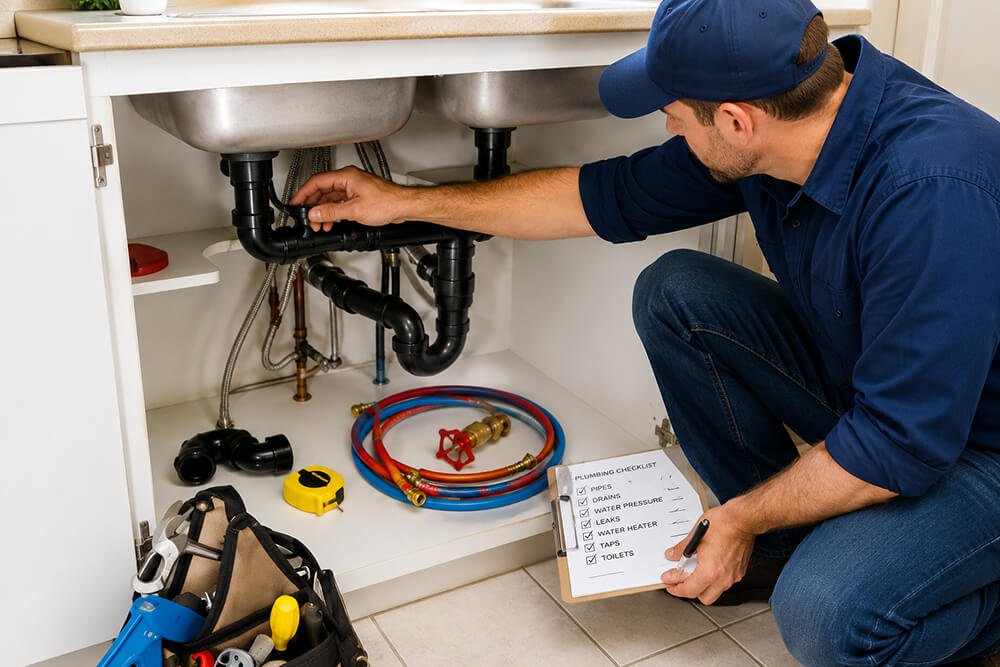
Plumbing problems rarely start with a flood. Most begin with a sound, a smell, a slow change in pressure, or a fixture that behaves differently than it did last week. Recognizing those early clues helps you limit damage, give a clear description to a technician, and sometimes restore temporary service safely. This practical guide explains what common symptoms usually point to and which quick checks you can do without specialty tools. It is not a substitute for licensed work, but it will help you separate a minor nuisance from a situation that needs fast attention, and it can shave time off the diagnosis once a plumber arrives.
When water pressure changes overnight
If faucets begin to surge or shower spray becomes prickly, think about your home’s pressure path: meter or curb stop, main shutoff, pressure-reducing valve (PRV), and branch lines. A failing PRV can drift high, which often shows up as water hammer when a washing machine stops filling, or as a dripping water heater temperature and pressure relief (TPR) valve if there is no working thermal expansion tank. To see whether the shift is house-wide or fixture-specific, connect a simple pressure gauge to a hose bibb and compare readings to how a single sink behaves. For a local overview of service categories, readers can review Vancouver plumbing repairs from Sarkinen Plumbing, then use the steps below to narrow the issue.
High pressure causes stress at weak fittings and can loosen compression connections at angle stops under sinks. If you hear banging when valves close, opening the nearest faucet slightly can reduce the shock until a plumber installs water hammer arrestors or evaluates the PRV. On the other hand, low pressure at just one bathroom often means a clogged aerator or partially closed stop valve, while low pressure throughout the house could indicate a failing PRV or a main valve that is not fully open after a recent shutoff.
Drains that gurgle, toilets that bubble
When a toilet bubbles as a nearby tub drains, the symptom usually points to a restriction in the main line rather than a small branch. Wastewater pulls air through any available path. If the roof vent stack is iced over or obstructed by debris, fixtures can gurgle, but consistent bubbling combined with slow flow from multiple locations suggests a downstream blockage. Check for an accessible cleanout outside or in a basement. If you see standing water in the cleanout, the obstruction is between the house and the street. Clearing a main with a toilet auger is ineffective and risks dislodging the wax ring; this is a job for proper cabling or hydro-jetting once the line is assessed.
For a single slow sink, focus upstream: remove and clean the aerator, then check the P-trap for buildup. If several kitchen drains run slowly and you use a garbage disposer, grease accumulation in the horizontal run is likely. Avoid chemical drain cleaners; they can sit in the pipe when the line is obstructed and create a hazard for anyone who opens the system later. Mechanical clearing is safer and more effective, and it preserves pipe materials in older homes where harsh chemicals can worsen corrosion.
Hot water troubles that point to specific components
Hot water issues often trace to identifiable parts. If hot water fades to lukewarm after a minute, a failed dip tube in the water heater can be mixing cold supply at the outlet. Rattling or popping noises indicate sediment at the bottom of the tank, which insulates the burner or elements and shortens their life. A periodic flush with the heater powered down can reduce this, but stubborn scale may require professional descaling. If you notice a rotten egg odor only on hot water, the anode rod reacting with minerals or bacteria is a common culprit; replacing the anode or temporarily treating the tank can address it.
Scalding shifts or tepid showers when other fixtures open point to a tempering or mixing valve issue. In homes with recirculation pumps, an always-warm return line can mask a failing check valve that lets cold migrate into hot lines. Be cautious around the TPR valve at the heater. If it drips steadily, do not cap it. This can signal thermal expansion or unsafe pressure. Verifying that the expansion tank is cool at the top and slightly warm at the bottom is a crude check that it still has air charge and is moving water properly.
Leaks you can localize in minutes
Many leaks announce themselves with sound more than sight. If you hear faint hissing near a wall with all fixtures off, note the water meter’s flow indicator. If it spins, water is moving somewhere. Close the main house shutoff; if the meter keeps moving, the leak is likely between the meter and your shutoff in the yard or slab. If it stops, the problem is inside. Next, isolate by fixture: close toilet angle stops and watch the meter. Toilets commonly pass water silently from tank to bowl; a dye test in the tank will color the bowl if the flapper is leaking.
Under-sink drips often come from loose compression nuts on supply lines or from braided stainless connectors that are past their service life. Tighten gently; over-torquing can distort ferrules and worsen the leak. On copper lines, a bright green stain often indicates a pinhole beginning to weep. Temporary pipe repair tape or a clamp can reduce leakage long enough to limit damage, but it is a stopgap. Replacing the damaged section or considering a PEX repipe in areas with repeated pinholes is the durable fix. Always keep electrical appliances away from leak zones and avoid opening finished ceilings until water is controlled and a catch bucket is in place.
Quick actions that help the repair without making it worse
When shutting water off, choose the smallest valve that solves the problem. Close a fixture’s angle stops before the whole-house main so other areas remain usable. After closing the main, open a low faucet or laundry sink to drain pressure; this minimizes spray when someone opens a line to repair it. For water heaters, switch off power at the breaker for electric units or turn the gas control to pilot before draining. Do not isolate a tank-type heater from an expansion tank by closing intermediate valves; pressure needs a place to go as the water heats.
Skip quick fixes that create bigger problems. Thread sealant is unnecessary on supply line connections with rubber washers; adding it can cause misalignment and leaks. Chemical drain openers may seem fast, but they complicate safe service and can damage traps and thin-walled piping. If a toilet overflows, remove the tank lid and push the flapper down to stop flow, then shut the supply at the angle stop. Photograph unusual symptoms like toilet bubbling or a geyser from a cleanout; those details help a technician decide between a cable, a camera inspection, or hydro-jetting, and they shorten on-site troubleshooting time.
Planning the follow-up so the fix lasts
Once immediate risk is controlled, think about preventing a repeat. If pressure was high, ask for a PRV test and, if needed, replacement and calibration. Water hammer arrestors at fast-closing valves on clothes washers and dishwashers can protect soldered joints and appliances. If drains prove temperamental, a camera inspection can reveal a root intrusion at a joint, a sagging section of pipe known as a belly, or a construction stub left in the line. Those findings guide long-term choices like spot repairs versus a full line replacement. In older homes, upgrading crusted gate valves to quarter-turn ball valves or replacing brittle gray supply tubes with braided stainless makes future shutoffs smoother and more reliable.
DIY diagnosis is about reading patterns, not forcing repairs. Pressure swings, fixture gurgles, persistent drips, and hot water quirks each point toward different parts of the system and different safety considerations. By localizing the symptom and taking simple stabilization steps, you reduce damage and help the next professional on site move quickly to the root cause. Keep notes about which fixtures misbehaved, when symptoms appeared, and what you turned off. That context, paired with careful repair work, is what turns a one-time emergency into a durable fix.
















Leave a Reply