
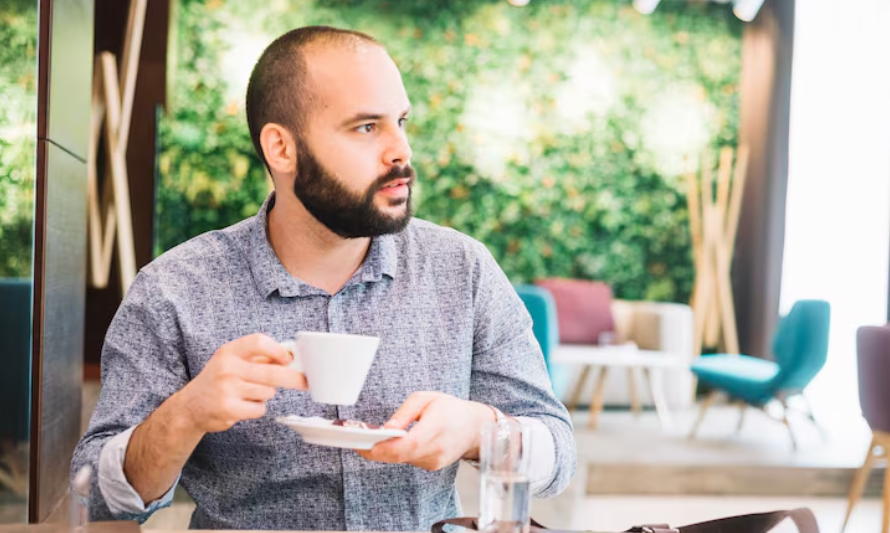
Two bags of coffee beans can originate from the very same roaster – yet taste completely different. One reason explains most of that difference. Single-origin coffee originates from just one country, one region – or occasionally even from a single farm – rather than blending beans from various locations.
That is exactly what makes Axil Coffee’s single origin coffee worth paying attention to if you actually care what is in your cup. A blend hides where each bean came from. A single origin bag puts it front and centre, flaws and all. Nothing to hide behind, which is the whole point.
How Long Does a Coffee Cherry Take to Grow
A coffee cherry stays around 7-9 months ripening on its tree – until someone finally plucks it. That is a long wait for a plant that most people never think twice about. Altitude really slows things down even more so. Cherries grown over twelve hundred meters take longer to ripen – and when they do, there’s even more sugar built up within the bean itself. A slower process nearly always results in a more flavorful coffee, rather than less.
What to check before buying a single origin bag
- The country and region printed on the bag, not just a blend name
- The processing method, since it changes flavour as much as origin does
- A roast date within the last few weeks
- A roast level on the lighter side, since dark roasting can mute origin flavour
How Does Processing Method Change the Flavour
Natural processed coffee dries inside the whole cherry, so sugars soak into the bean and the cup turns fruitier and heavier. Honey processing sits in between those two, with some pulp left on during drying. None of these methods is simply better. They just lead somewhere different.
Which Origins Taste Different and Why
| Origin | Common Flavour Notes | Typical Growing Altitude |
| Ethiopia | Floral, berry, citrus | 1500m to 2200m |
| Colombia | Caramel, balanced, nutty | 1200m to 1800m |
| Brazil | Chocolate, low acid, smooth | 800m to 1300m |
| Sumatra | Earthy, heavy body, spice | 900m to 1500m |
Why Does a Single Origin Bag Cost More Than a Blend
Single-origin coffee usually costs a bit more – and there’s really good reason for this, beyond just marketing hype. Blends let a roaster substitute in whatever beans are cheapest each season while retaining a very similar end taste. Single-origin beans can’t be substituted quite so easily without altering the entire essence of the product itself. You’re actually paying for beans from one specific farm, harvested in one year, grown under those exact conditions – and such a high level of traceability does indeed cost even more to preserve with every passing season.
Does Roast Level Hide or Show Off Origin Flavour
A lighter roast really lets you taste the original growing conditions in your cup. A dark roast pushes all flavors towards that same smoky, very bitter taste – regardless of where the bean actually came from. This is just why single-origin coffee is usually roasted much lighter than your typical blend. Roasting too darkly on a single-origin bean is somewhat like painting over a very detailed photograph – the image itself just vanishes.






Leave a Reply