
Introduction
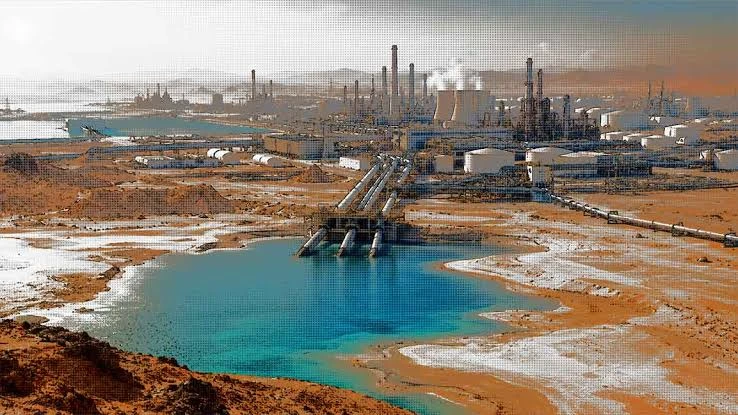
For decades, the story of water in the Gulf has been a story of desalination. Massive coastal plants turned seawater into the fresh supply that made modern cities, industries and agriculture possible in one of the driest regions on earth. That model has served the GCC well, but it is reaching its limits.
Populations are growing, industries are expanding and climate pressures are rising. At the same time, governments across the region have set ambitious targets for sustainability, energy efficiency and carbon reduction. Simply building more desalination capacity is no longer enough.
The next chapter is about using water more than once. Water reuse, the practice of treating wastewater and putting it back to productive use, is quickly moving from a niche solution to a core part of regional water strategy. In this article, we look at where water reuse in the GCC is heading, the opportunities it creates for cities and industries, and the technology that will shape its future.
Why Water Reuse Is Moving to Centre Stage
Several forces are pushing water reuse up the agenda across the six GCC countries.
Rising demand. Urban growth, tourism, new industrial zones and food security projects all need more water every year. Per capita consumption in the region is among the highest in the world.
The true cost of desalination. Desalination is energy-hungry and capital-intensive. It also produces large volumes of concentrated brine that is returned to the sea, adding pressure on the Gulf’s already sensitive marine environment.
Shrinking groundwater. Aquifers that once supplied farms and towns are being drawn down faster than they can recharge, and many are becoming saltier.
National strategies. Long-term plans such as the UAE Water Security Strategy 2036 and Saudi Arabia’s national water strategy under Vision 2030 place strong emphasis on reducing demand and expanding the use of treated wastewater.
Climate and net-zero commitments. Several GCC states have announced net-zero targets. Since treated wastewater generally needs less energy to produce than desalinated seawater, reuse supports these goals directly.
Together, these factors mean that every cubic metre of water that can be safely reused is a cubic metre that does not need to be desalinated or pumped from the ground.
Opportunities for Cities
GCC cities already use treated sewage effluent (TSE) widely, but there is room to go much further.
- Greener urban landscapes. Parks, road medians, golf courses and public gardens can run almost entirely on treated water, freeing fresh supply for homes and businesses.
- District cooling. Cooling is one of the biggest water users in Gulf cities. Switching district cooling plants from potable or desalinated water to TSE offers huge savings.
- Smart, connected networks. Dedicated purple-pipe networks for recycled water, combined with smart meters and sensors, let cities track and optimise every litre.
- Groundwater recharge. Highly treated water can be used to replenish depleted aquifers, building a strategic reserve for drought or emergencies.
- New master-planned communities. Developments built from scratch can design water reuse into their infrastructure from day one, from greywater systems in buildings to on-site treatment plants.
For city planners, reuse is no longer just about disposal. It is about building a more resilient, self-sufficient urban water system.
Opportunities for Industries
Industry is where some of the most exciting growth in water reuse is likely to happen.
- Lower operating costs. Recycling process water, cooling tower blowdown and condensate reduces purchase and discharge costs at the same time.
- Secure supply. Plants that treat and reuse their own water are less exposed to price rises or supply limits on fresh water.
- Using municipal TSE. Industrial zones located near wastewater treatment plants can take treated effluent and polish it further for cooling, boiler feed or washing.
- Zero liquid discharge (ZLD). Some sectors, such as power, petrochemicals and mining, are moving toward systems that recover almost all water and leave only solid waste.
- Stronger ESG credentials. Global customers and investors increasingly reward companies that can show real reductions in their water footprint.
To make the most of these opportunities, manufacturers need dependable equipment and expert support. Partnering with an experienced Water Treatment Equipment Supplier helps industries design, build and maintain reuse systems that perform reliably in Gulf conditions.
Technologies Shaping the Future of Water Reuse
The future of reuse will be defined by technologies that make treated water cleaner, cheaper and easier to trust.
Advanced reverse osmosis. RO is the key to turning treated effluent into high-quality water suitable for industry and, potentially, indirect potable reuse. New fouling-resistant, low-energy membranes are making RO more practical for wastewater than ever before. Working with an experienced RO Membranes Supplier helps operators pick elements that suit challenging feed water and keep spares available locally.
Reliable pressure vessels. As RO systems grow in size, the vessels that hold the membranes become just as important. High-quality vessels keep systems sealed and safe under continuous high pressure. Sourcing from a dependable RO Pressure Vessel Supplier ensures the right pressure rating, configuration and long service life.
Membrane bioreactors and ultrafiltration. These combine biological treatment with fine membrane filtration, producing very clear water in a compact footprint, ideal for space-limited urban sites.
Digital monitoring and AI. Online sensors, SCADA systems and predictive analytics help operators spot fouling early, optimize chemical use and cut energy consumption.
Renewable-powered treatment. Pairing treatment plants with solar energy, a natural fit in the Gulf, can further reduce the cost and carbon footprint of reused water.
Challenges to Overcome
The opportunities are large, but some hurdles remain:
- Public perception. Many people are still uneasy about recycled water. Clear communication and strict quality standards are essential to build trust.
- Infrastructure gaps. Separate distribution networks for treated water require major investment.
- Seasonal mismatch. Demand for irrigation water is highest in summer, while wastewater flows are more constant, so storage solutions are needed.
- Consistent regulation. Harmonised quality standards across GCC countries would make it easier for industries to plan and invest.
None of these challenges is unsolvable, and progress is already being made across the region.
Conclusion
Water reuse is set to become one of the defining features of the GCC’s water future. For cities, it means greener spaces, more efficient cooling and stronger resilience. For industries, it means lower costs, secure supply and a smaller environmental footprint.
The technology is ready, and national strategies are pointing firmly in this direction. The cities and companies that invest early in quality treatment systems, from advanced RO membranes to reliable pressure vessels, will be best placed to benefit. In a region where fresh water will always be precious, using it more than once is not just smart. It is essential.
Frequently Asked Questions (FAQs)
1. What is water reuse?
Water reuse is the process of treating wastewater from homes, businesses or industries so it can be used again for purposes such as irrigation, cooling, industrial processes or groundwater recharge.
2. Why is water reuse important for the GCC?
The region has very limited natural fresh water and relies heavily on energy-intensive desalination. Reusing treated water reduces demand on desalination, protects groundwater and supports sustainability goals.
3. How is treated wastewater used in GCC cities today?
It is mainly used for landscape irrigation, district cooling, construction and some industrial applications. Its use is expected to expand as treatment quality and infrastructure improve.
4. Can recycled water be used in manufacturing?
Yes. With filtration and reverse osmosis, recycled water can meet the quality needed for cooling towers, boiler feed, washing and many production processes.
5. What role do RO membranes and pressure vessels play in water reuse?
RO membranes remove dissolved salts and contaminants to produce high-quality water, while pressure vessels hold the membranes and contain the high pressure needed for the process. Both are essential for advanced reuse systems.
6. What are the main barriers to water reuse in the region?
Public perception, the cost of separate distribution networks, seasonal demand differences and varying regulations are the main challenges, though all are being addressed through policy and investment.














Leave a Reply